University of Washington

16 Posts

Language Models Defy Logic: Large NLP models struggle with logical reasoning.
University of Washington

Language Models Defy Logic: Large NLP models struggle with logical reasoning.

Who would disagree that, if all people are mortal and Socrates is a person, Socrates must be mortal? GPT-3, for one. Recent work shows that bigger language models are not necessarily better when it comes to logical reasoning.


February 1, 20232 min read
Language Models Defy Logic: Large NLP models struggle with logical reasoning.
University of Washington

Language Models Defy Logic: Large NLP models struggle with logical reasoning.

Who would disagree that, if all people are mortal and Socrates is a person, Socrates must be mortal? GPT-3, for one. Recent work shows that bigger language models are not necessarily better when it comes to logical reasoning.

February 1, 20232 min read
Ensemble Models Simplified: New Machine Learning Research Simplifies Ensembles
University of Washington

Ensemble Models Simplified: New Machine Learning Research Simplifies Ensembles

A CLIP model whose weights were the mean of an ensemble of fine-tuned models performed as well as the ensemble and better than its best-performing constituent.

August 17, 20222 min read
Ensemble Models Simplified: New Machine Learning Research Simplifies Ensembles
University of Washington

Ensemble Models Simplified: New Machine Learning Research Simplifies Ensembles

A CLIP model whose weights were the mean of an ensemble of fine-tuned models performed as well as the ensemble and better than its best-performing constituent.

August 17, 20222 min read
More Learning With Less Memory: Training large language models using less memory.
University of Washington

More Learning With Less Memory: Training large language models using less memory.

Researchers discovered a new way to reduce memory requirements when training large machine learning models. Tim Dettmers and colleagues at University of Washington released 8-bit optimizers that store gradient statistics as 8-bit values, while maintaining the same accuracy.

January 12, 20222 min read
More Learning With Less Memory: Training large language models using less memory.
University of Washington

More Learning With Less Memory: Training large language models using less memory.

Researchers discovered a new way to reduce memory requirements when training large machine learning models. Tim Dettmers and colleagues at University of Washington released 8-bit optimizers that store gradient statistics as 8-bit values, while maintaining the same accuracy.

January 12, 20222 min read
Richer Video Representations: Pretraining Method Improves AI's Ability to Understand Video
University of Washington

Richer Video Representations: Pretraining Method Improves AI's Ability to Understand Video

To understand a movie scene, viewers often must remember or infer previous events and extrapolate potential consequences. New work improved a model’s ability to do the same.

November 3, 20212 min read
Richer Video Representations: Pretraining Method Improves AI's Ability to Understand Video
University of Washington

Richer Video Representations: Pretraining Method Improves AI's Ability to Understand Video

To understand a movie scene, viewers often must remember or infer previous events and extrapolate potential consequences. New work improved a model’s ability to do the same.

November 3, 20212 min read
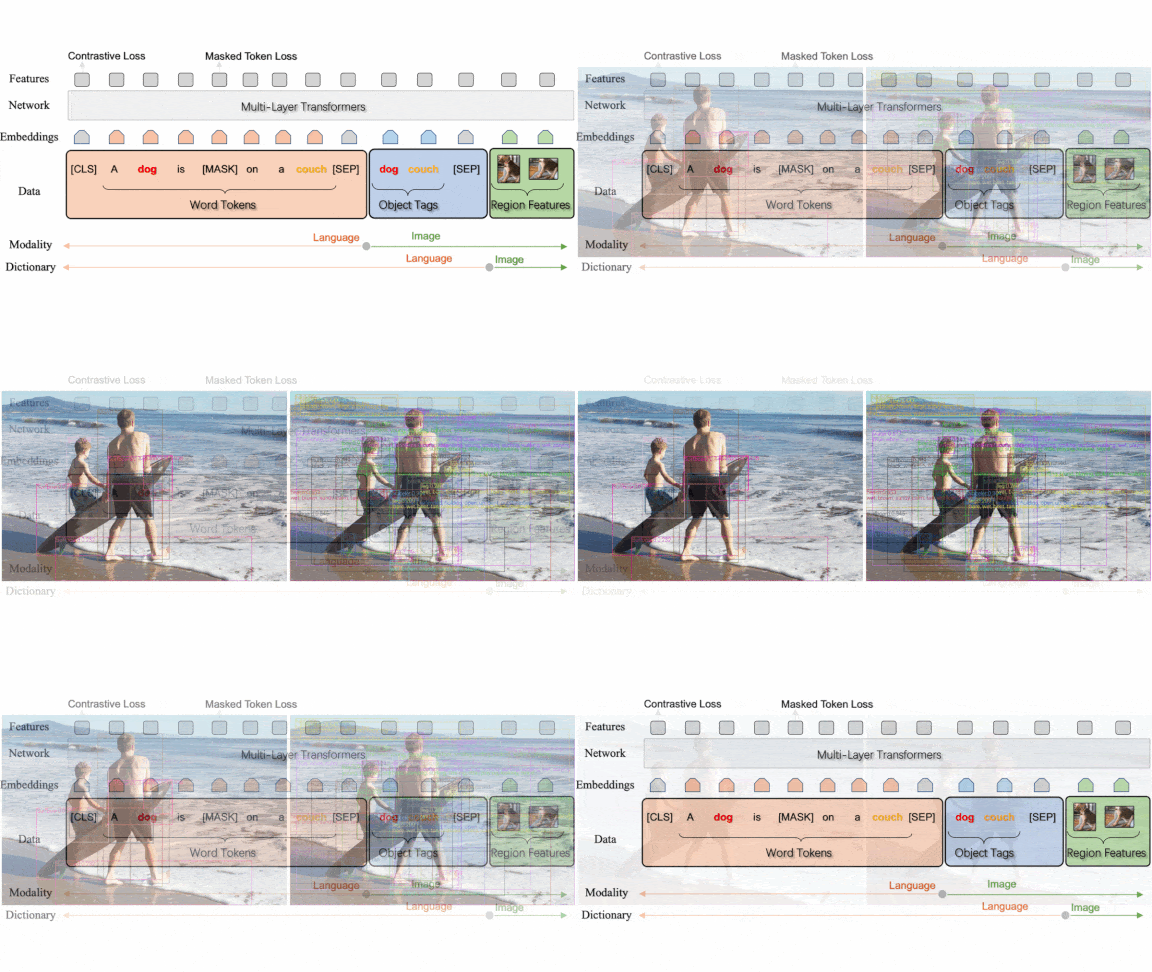
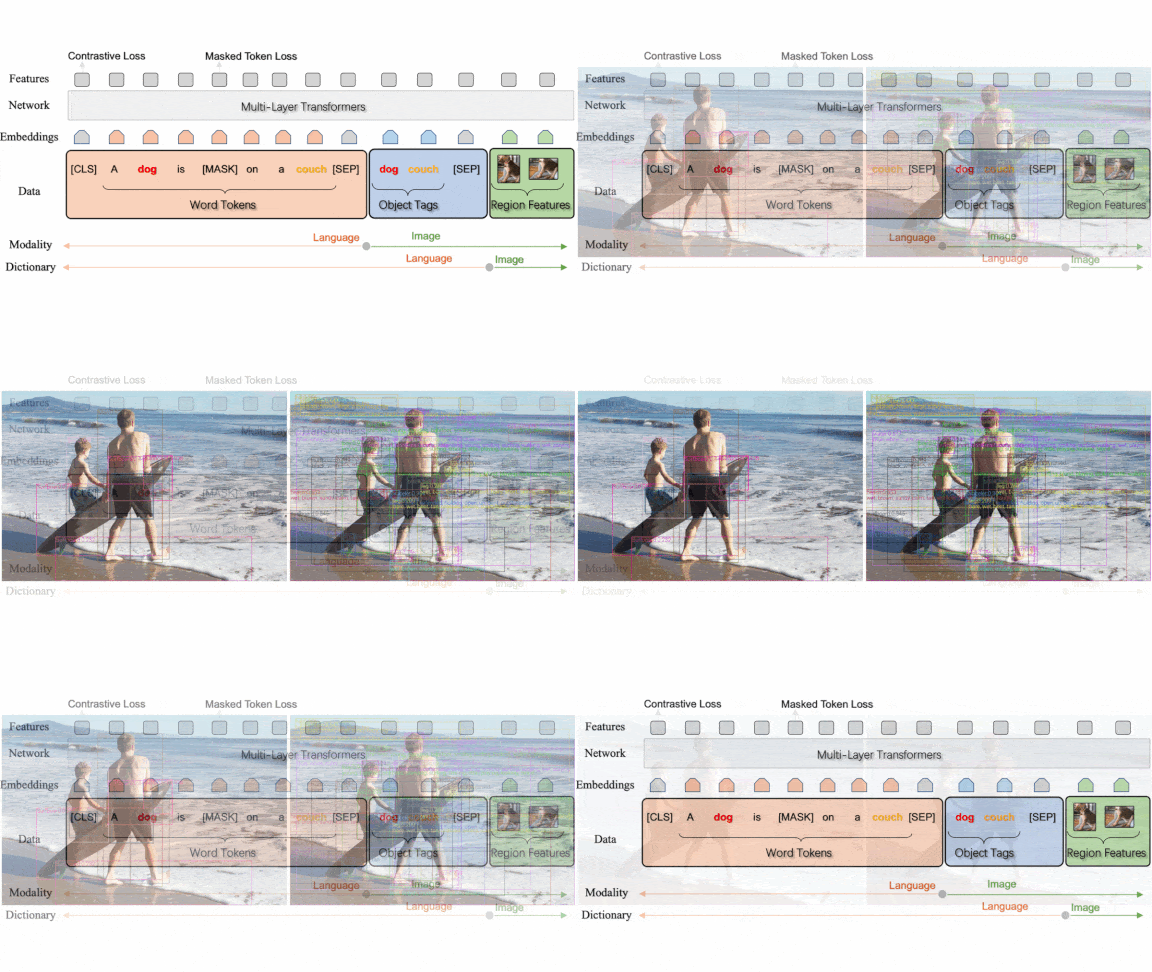
Sharper Eyes For Vision+Language: AI research shows improved image and text matching.
University of Washington

Sharper Eyes For Vision+Language: AI research shows improved image and text matching.

Models that interpret the interplay of words and images tend to be trained on richer bodies of text than images. Recent research worked toward giving such models a more balanced knowledge of the two domains.

February 24, 20212 min read
Sharper Eyes For Vision+Language: AI research shows improved image and text matching.
University of Washington

Sharper Eyes For Vision+Language: AI research shows improved image and text matching.

Models that interpret the interplay of words and images tend to be trained on richer bodies of text than images. Recent research worked toward giving such models a more balanced knowledge of the two domains.

February 24, 20212 min read
Oren Etzioni — Tools For Equality: How AI can help improve accessibility
University of Washington

Oren Etzioni — Tools For Equality: How AI can help improve accessibility

In 2020, I hope the AI community will grapple with issues of fairness in ways that tangibly and directly benefit disadvantaged populations.

January 1, 20201 min read
Oren Etzioni — Tools For Equality: How AI can help improve accessibility
University of Washington

Oren Etzioni — Tools For Equality: How AI can help improve accessibility

In 2020, I hope the AI community will grapple with issues of fairness in ways that tangibly and directly benefit disadvantaged populations.

January 1, 20201 min read
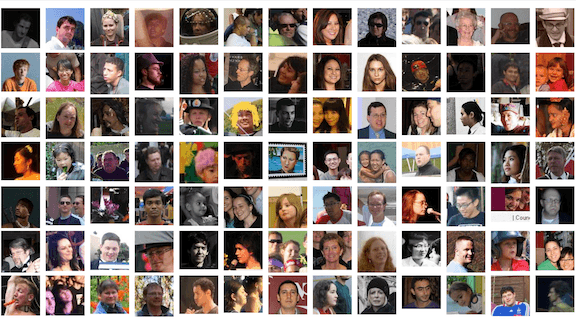
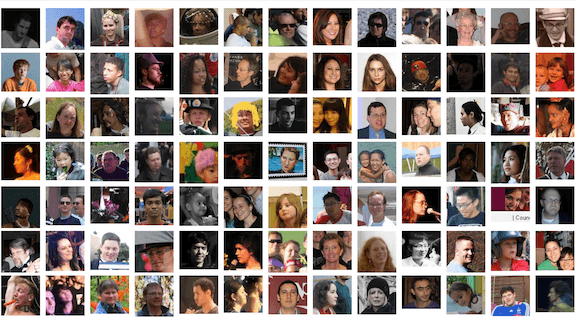
Public Access, Private Faces
University of Washington

Public Access, Private Faces

One of the largest open datasets for training face recognition systems has its roots in a popular photo-sharing service. Companies that have used this data could find themselves liable for millions in legal recompense.

October 23, 20192 min read
Public Access, Private Faces
University of Washington

Public Access, Private Faces

One of the largest open datasets for training face recognition systems has its roots in a popular photo-sharing service. Companies that have used this data could find themselves liable for millions in legal recompense.

October 23, 20192 min read
BERT Is Back
University of Washington

BERT Is Back

Less than a month after XLNet overtook BERT, the pole position in natural language understanding changed hands again. RoBERTa is an improved BERT pretraining recipe that beats its forbear, becoming the new state-of-the-art language model — for the moment.

August 21, 20192 min read

Subscribe to The Batch

Stay updated with weekly AI News and Insights delivered to your inbox