
Stanford University
Taming Spurious Correlations: New Technique Helps AI Avoid Classification Mistakes
When a neural network learns image labels, it may confuse a background item for the labeled object. New research avoids such mistakes.

When a neural network learns image labels, it may confuse a background item for the labeled object. New research avoids such mistakes.

When a neural network learns image labels, it may confuse a background item for the labeled object. New research avoids such mistakes.

A recent workshop highlighted the impact of poorly designed AI models in medicine, security, software engineering, and other disciplines.

A recent workshop highlighted the impact of poorly designed AI models in medicine, security, software engineering, and other disciplines.
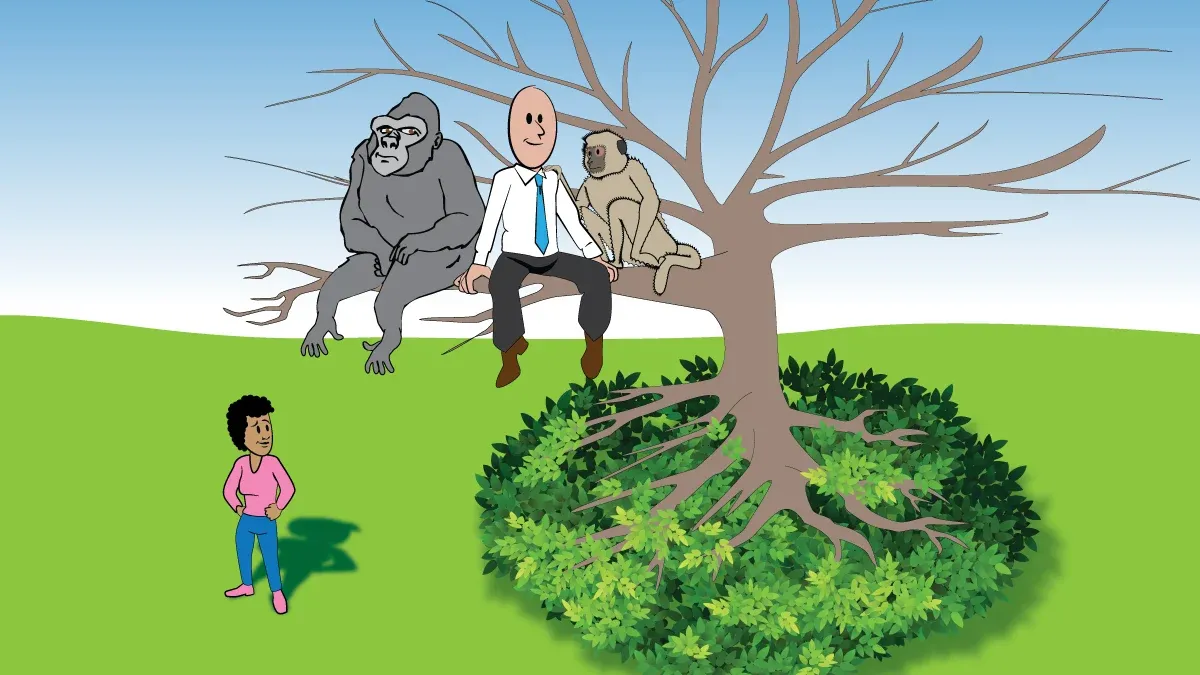
What kind of beast was Aristotle? The philosopher's follower Porphyry, who lived in Syria during the third century, came up with a logical way to answer the question...

What kind of beast was Aristotle? The philosopher's follower Porphyry, who lived in Syria during the third century, came up with a logical way to answer the question...

A new study showcases AI’s growing importance worldwide. What’s new: The fifth annual AI Index from Stanford University’s Institute for Human-Centered AI documents rises in funding, regulation, and performance.
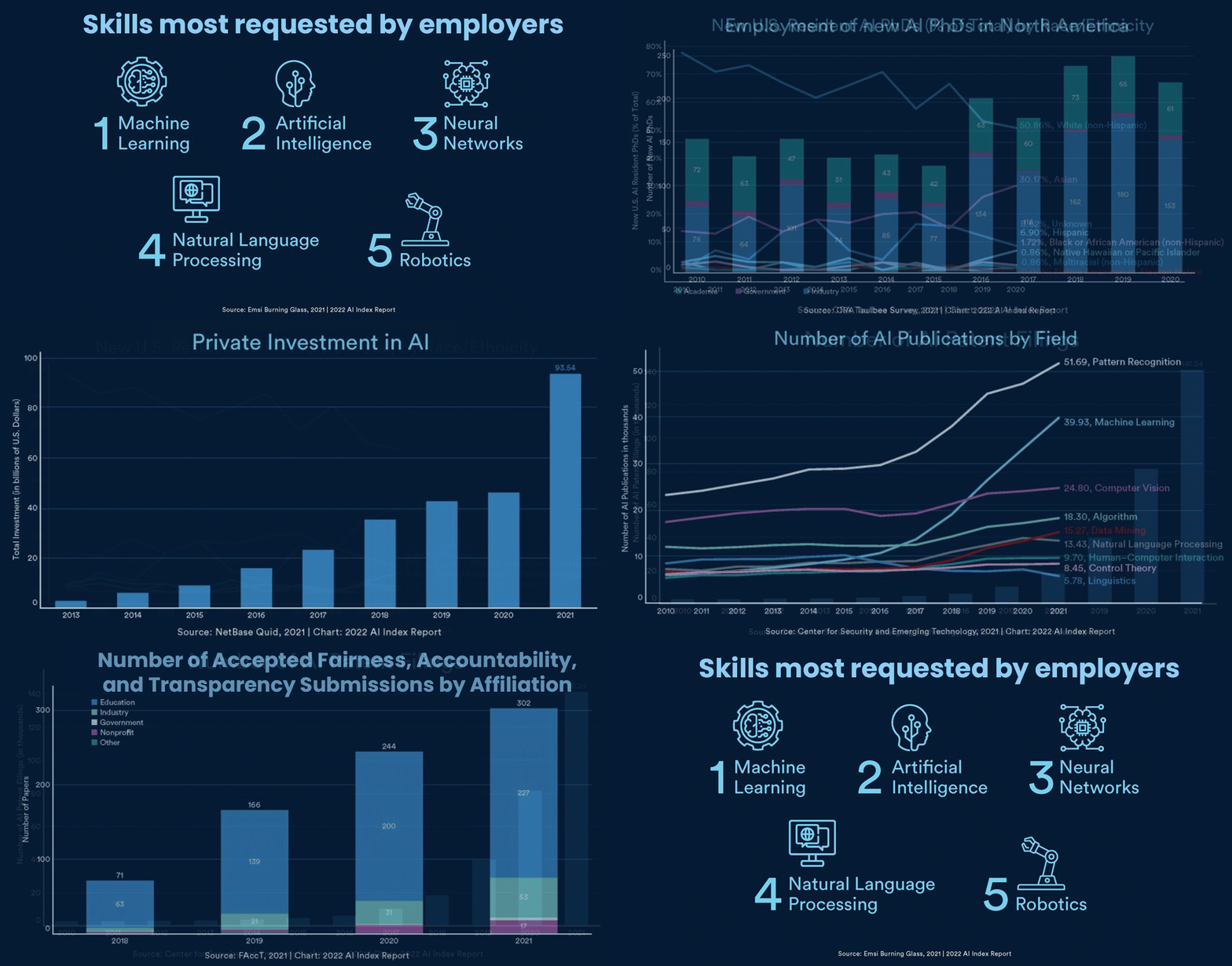
A new study showcases AI’s growing importance worldwide. What’s new: The fifth annual AI Index from Stanford University’s Institute for Human-Centered AI documents rises in funding, regulation, and performance.

While models like GPT-3 and EfficientNet, which work on text and images respectively, are responsible for some of deep learning’s highest-profile successes, approaches that find relationships between text and images made impressive

While models like GPT-3 and EfficientNet, which work on text and images respectively, are responsible for some of deep learning’s highest-profile successes, approaches that find relationships between text and images made impressive

Is AI becoming inbred? The fear: The best models increasingly are fine-tuned versions of a small number of so-called foundation models that were pretrained on immense quantities of data scraped from the web.

Is AI becoming inbred? The fear: The best models increasingly are fine-tuned versions of a small number of so-called foundation models that were pretrained on immense quantities of data scraped from the web.
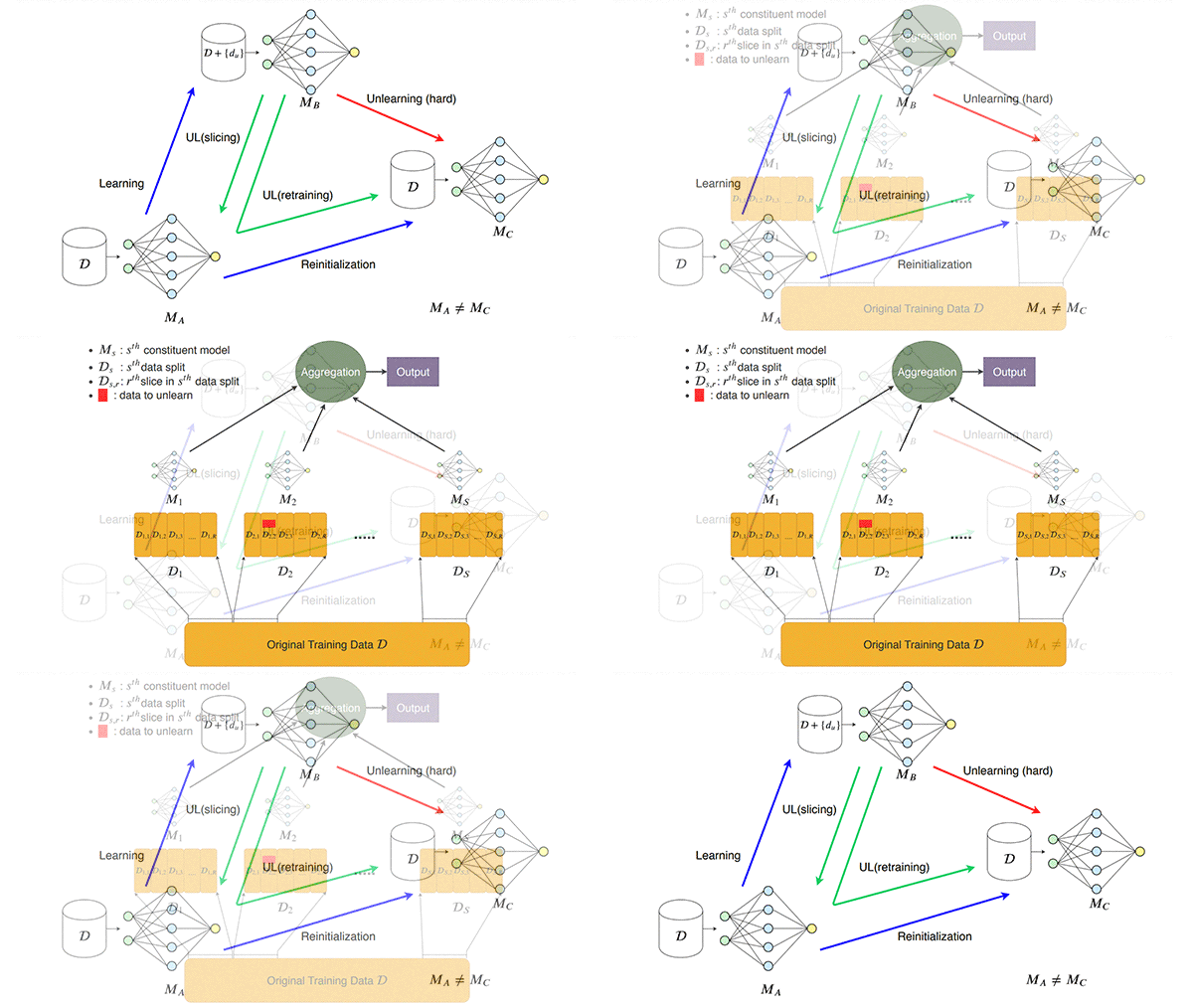
Privacy advocates want deep learning systems to forget what they’ve learned. What’s new: Researchers are seeking ways to remove the influence of particular training examples, such as an individual’s personal information, from a trained model without affecting its performance, Wired reported.
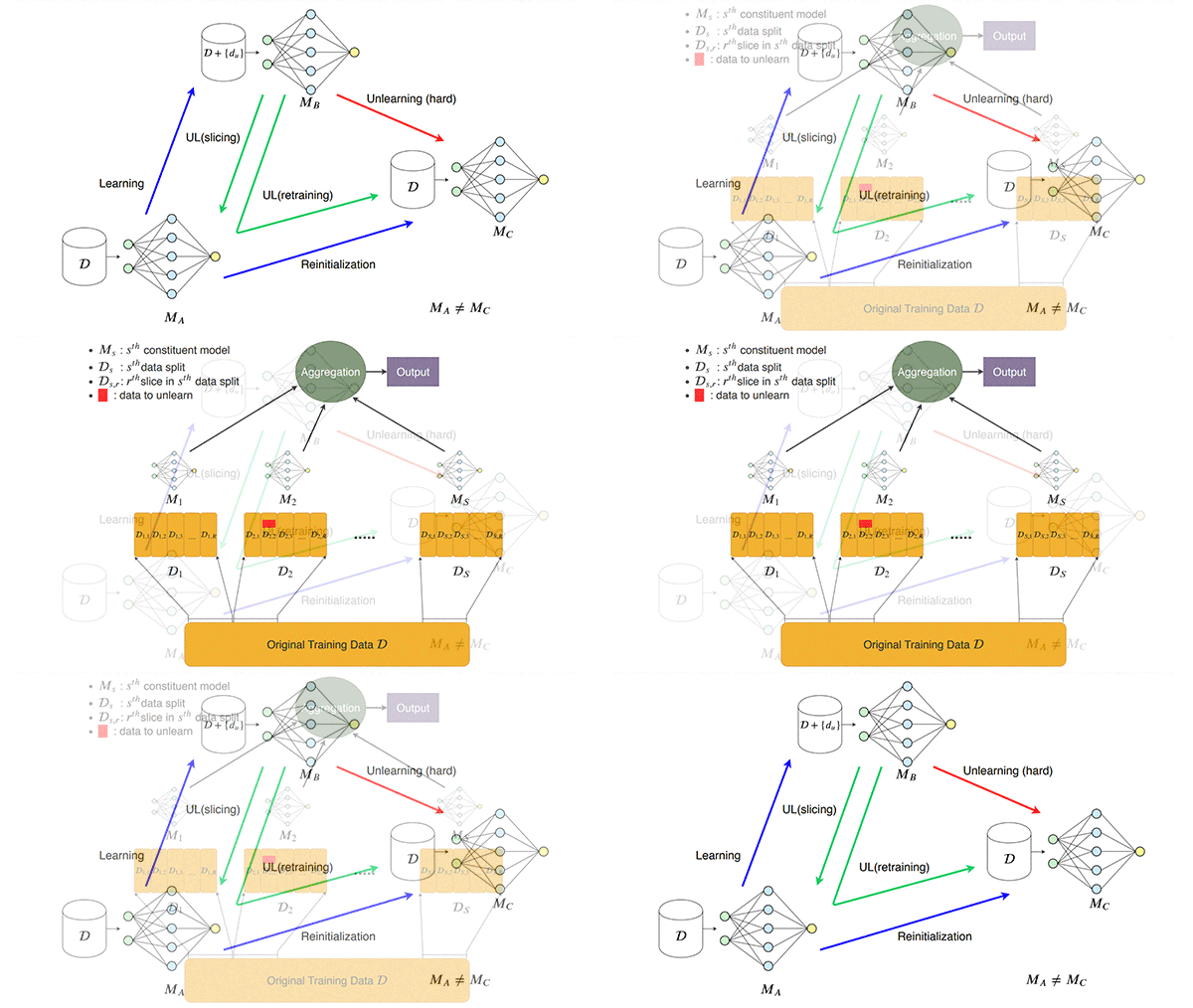
Privacy advocates want deep learning systems to forget what they’ve learned. What’s new: Researchers are seeking ways to remove the influence of particular training examples, such as an individual’s personal information, from a trained model without affecting its performance, Wired reported.
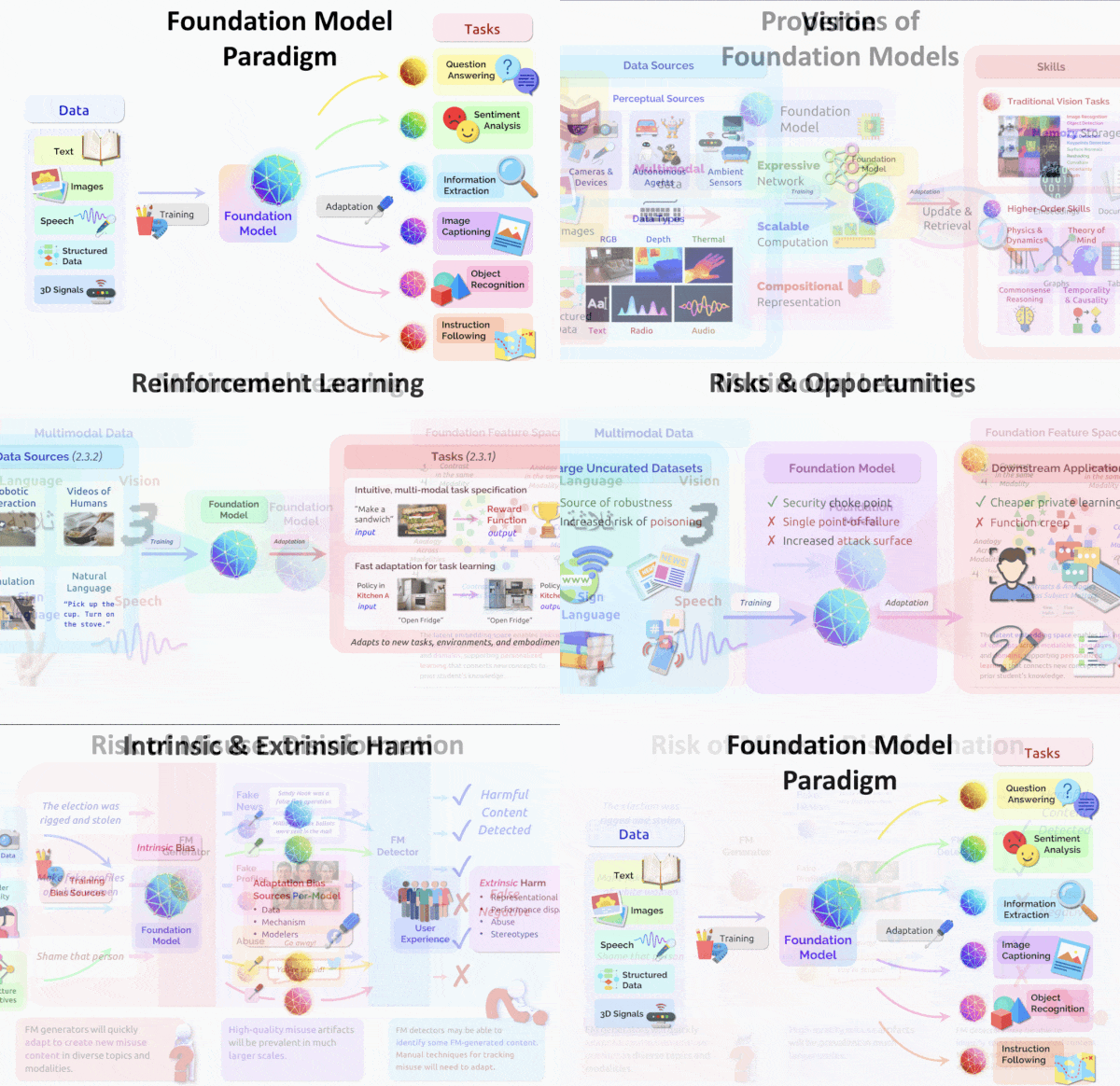
A new study examines a major strain of recent research: huge models pretrained on immense quantities of uncurated, unlabeled data and then fine-tuned on a smaller, curated corpus.
Stay updated with weekly AI News and Insights delivered to your inbox