Oct 23, 2019
Cracking Open Doctors’ Notes
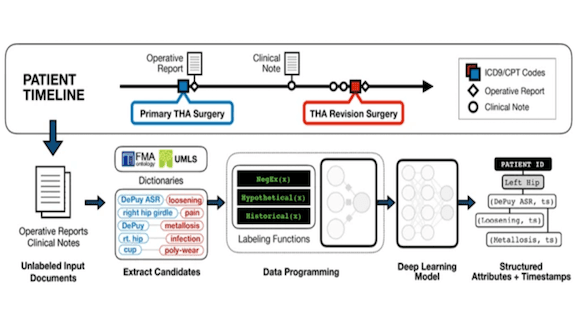
Weak supervision is the practice of assigning likely labels to unlabeled data using a variety of simple labeling functions. Then supervised methods can be used on top of the now-labeled data.

16 Posts
Weak supervision is the practice of assigning likely labels to unlabeled data using a variety of simple labeling functions. Then supervised methods can be used on top of the now-labeled data.
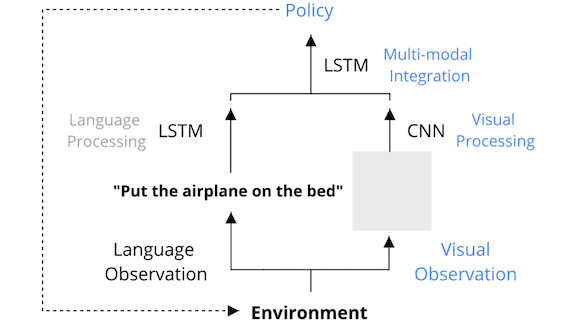
Humans understand the world by abstraction: If you grasp the concept of grabbing a stick, then you’ll also comprehend grabbing a ball. New work explores deep learning agents’ ability to do the same thing — an important aspect of their ability to generalize.
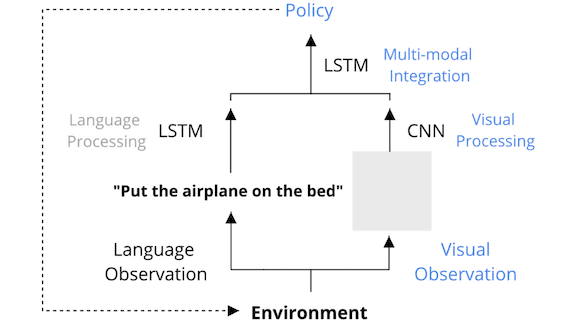
Humans understand the world by abstraction: If you grasp the concept of grabbing a stick, then you’ll also comprehend grabbing a ball. New work explores deep learning agents’ ability to do the same thing — an important aspect of their ability to generalize.
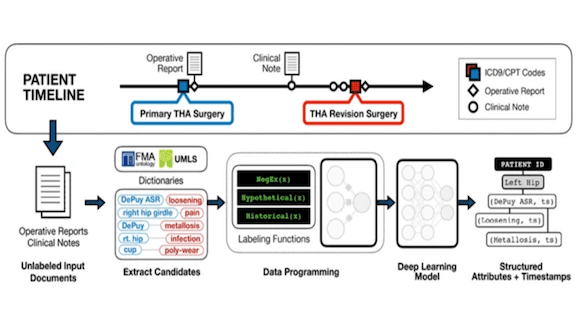
Weak supervision is the practice of assigning likely labels to unlabeled data using a variety of simple labeling functions. Then supervised methods can be used on top of the now-labeled data.
I’ve heard this conversation in multiple companies: Machine learning engineer: Look how well I did on the test set! Business owner: But your ML system doesn’t work. This sucks! Machine learning engineer: But look how well I did on the test set!
I’ve heard this conversation in multiple companies: Machine learning engineer: Look how well I did on the test set! Business owner: But your ML system doesn’t work. This sucks! Machine learning engineer: But look how well I did on the test set!
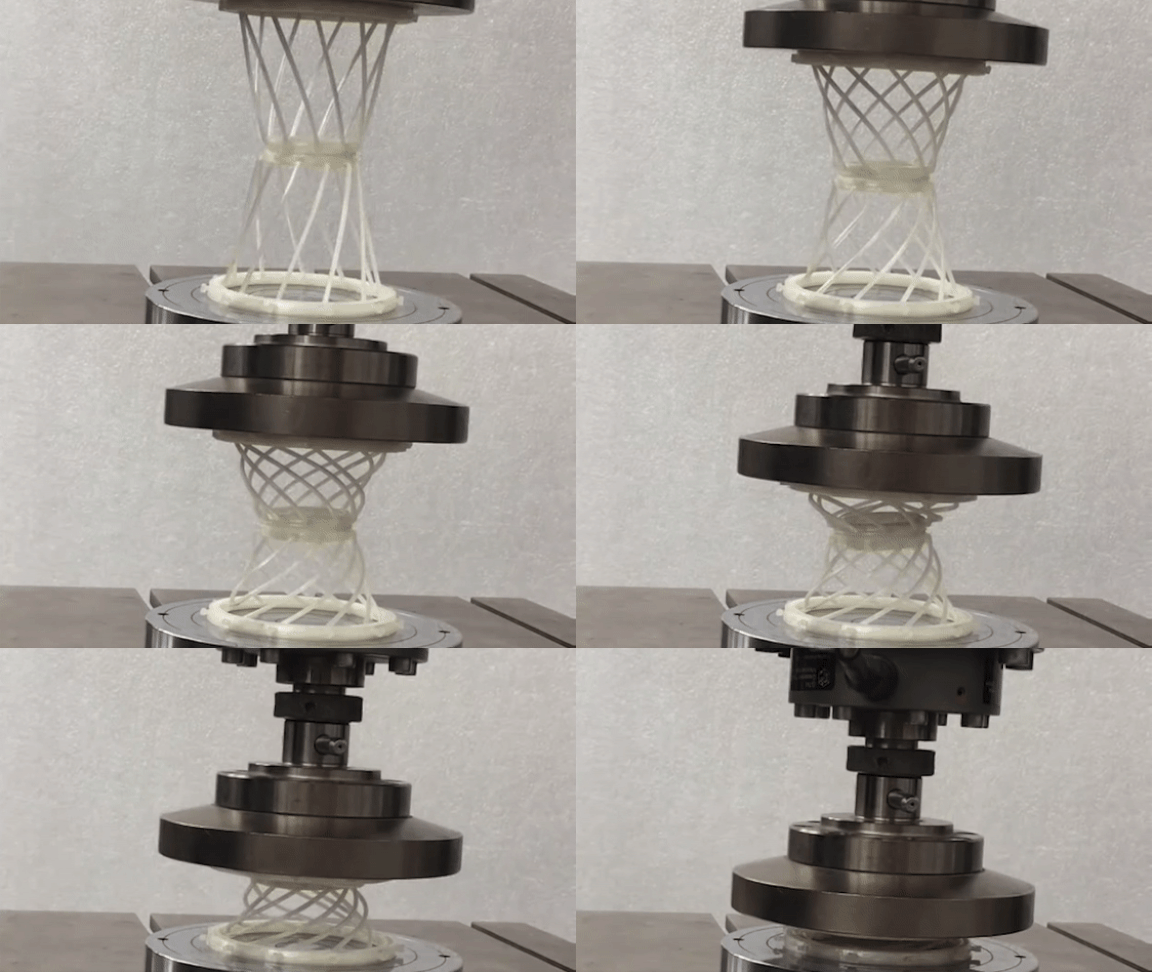
Would you like an umbrella that fits in your pocket? Researchers used machine learning to invent sturdy but collapsible materials that might lead to such a fantastical object.
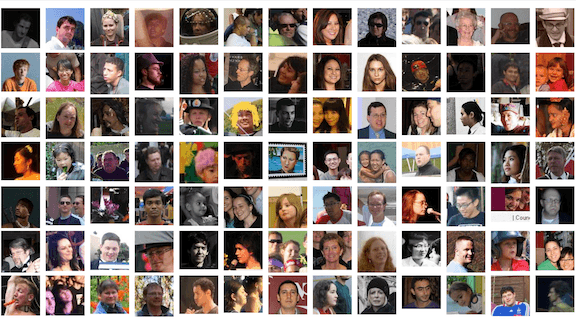
One of the largest open datasets for training face recognition systems has its roots in a popular photo-sharing service. Companies that have used this data could find themselves liable for millions in legal recompense.
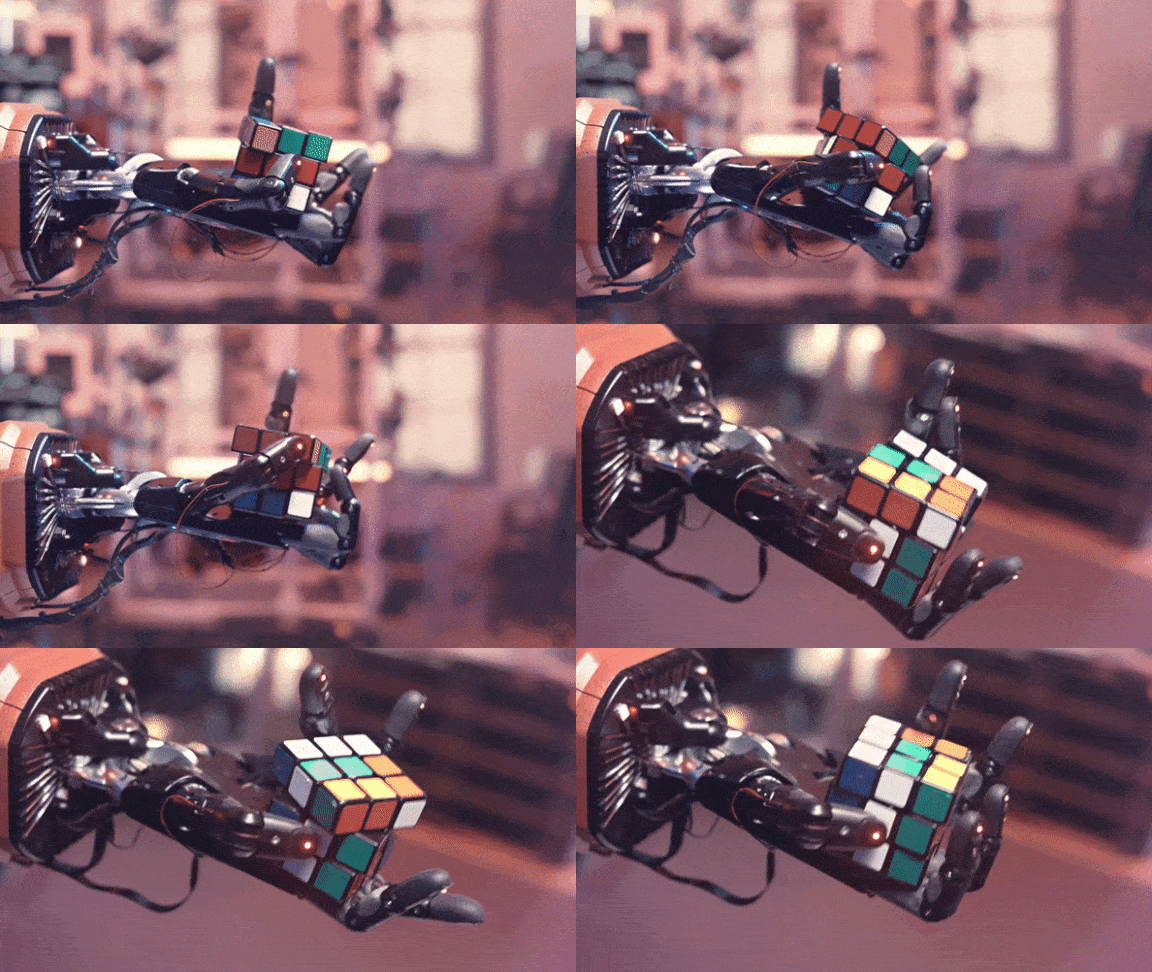
OpenAI trained a five-fingered robotic hand to unscramble the Rubik’s Cube puzzle, bringing both acclaim and criticism. The AI research lab OpenAI trained a mechanical hand to balance, twist, and turn the cube.
I’ve heard this conversation in multiple companies: Machine learning engineer: Look how well I did on the test set! Business owner: But your ML system doesn’t work. This sucks! Machine learning engineer: But look how well I did on the test set!
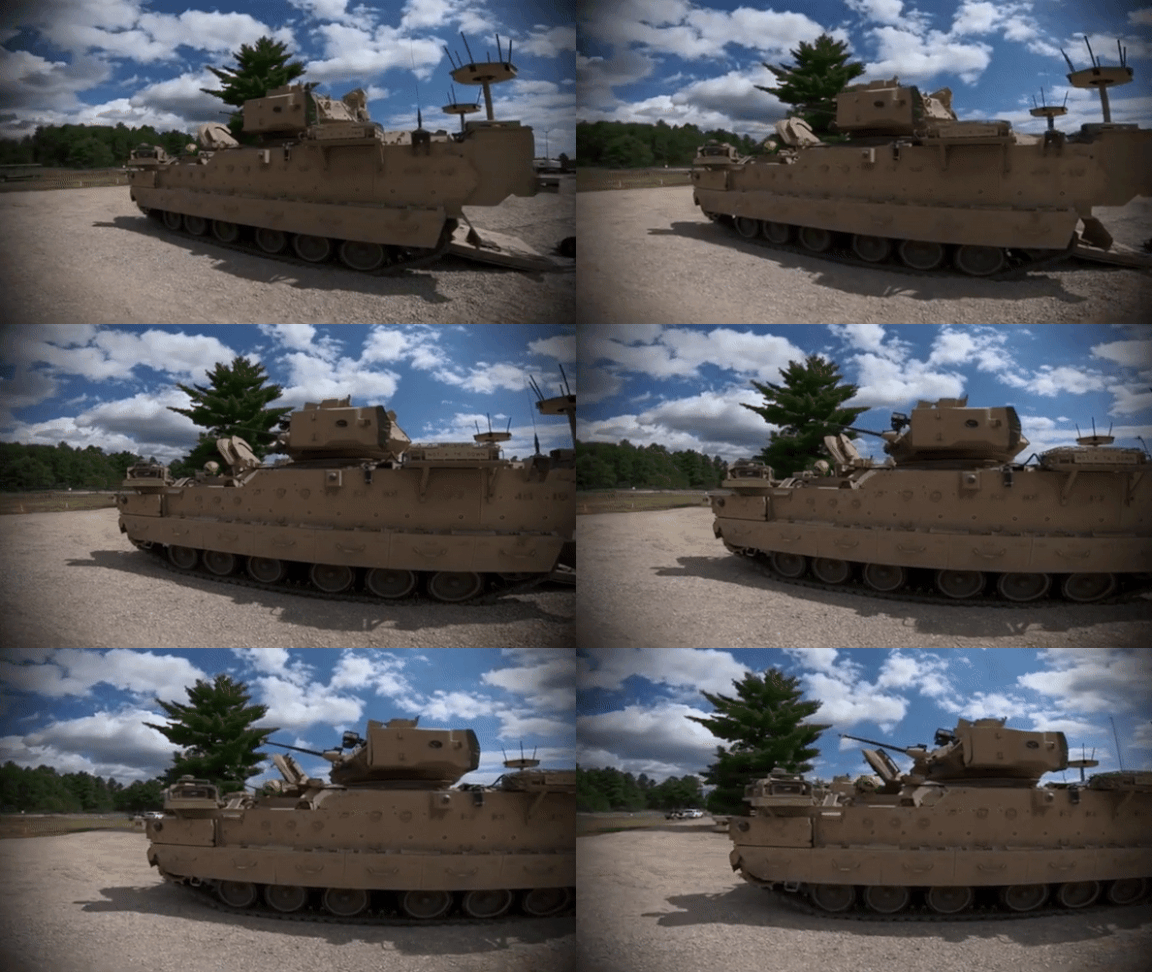
A new generation of battlebots is gaining momentum.What’s new: The Army is at least two years ahead of schedule in its plan to deploy self-driving (and self-aiming) transports, jeeps, and tanks.
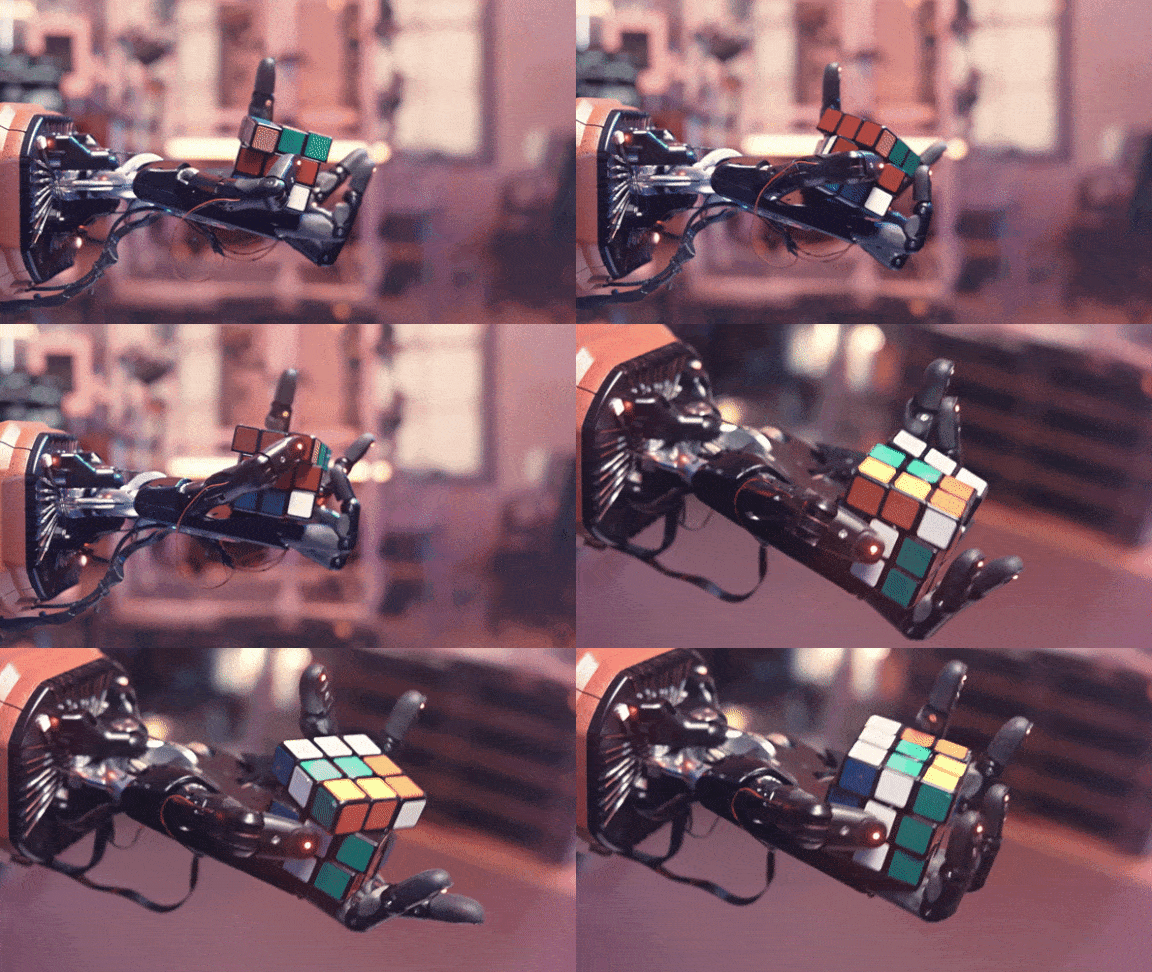
OpenAI trained a five-fingered robotic hand to unscramble the Rubik’s Cube puzzle, bringing both acclaim and criticism. The AI research lab OpenAI trained a mechanical hand to balance, twist, and turn the cube.
I’ve heard this conversation in multiple companies: Machine learning engineer: Look how well I did on the test set! Business owner: But your ML system doesn’t work. This sucks! Machine learning engineer: But look how well I did on the test set!
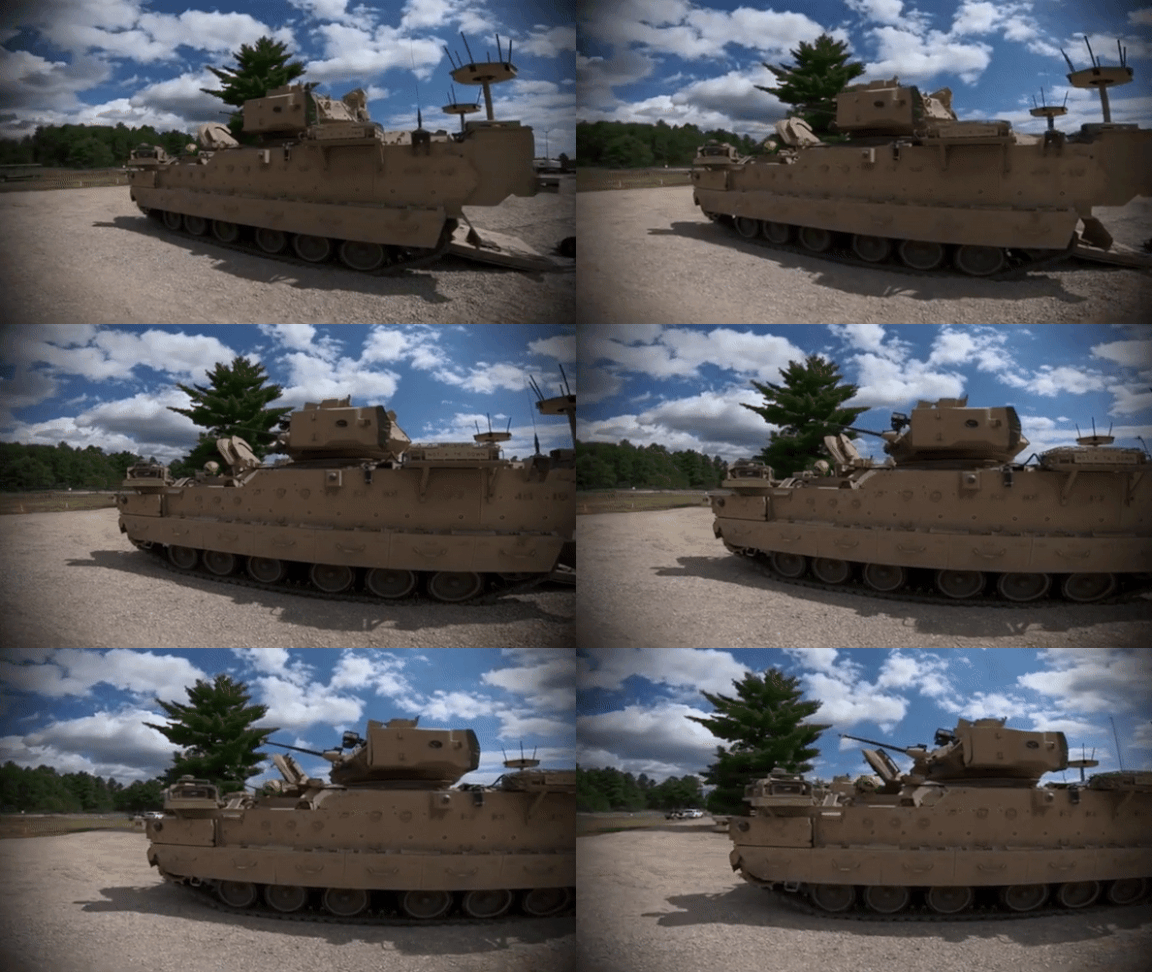
A new generation of battlebots is gaining momentum.What’s new: The Army is at least two years ahead of schedule in its plan to deploy self-driving (and self-aiming) transports, jeeps, and tanks.

Would you like an umbrella that fits in your pocket? Researchers used machine learning to invent sturdy but collapsible materials that might lead to such a fantastical object.
Stay updated with weekly AI News and Insights delivered to your inbox