
Nov 20, 2019
Why AI Projects Fail, Part 5: Change Management
My last two letters explored robustness and small data as common reasons why AI projects fail. In the final letter of this three-part series, I’d like to discuss change management.

14 Posts
My last two letters explored robustness and small data as common reasons why AI projects fail. In the final letter of this three-part series, I’d like to discuss change management.

My last two letters explored robustness and small data as common reasons why AI projects fail. In the final letter of this three-part series, I’d like to discuss change management. Change management isn’t an issue specific to AI, but given the technology’s disruptive nature...

Foreign researchers hoping to attend one of AI’s largest conferences were denied entry into Canada, where the event will be held. Most of those blocked were from developing nations.

Knightscope’s security robots look cute. But these cone-headed automatons, which serve U.S. police departments and businesses, are serious surveillance machines.

Google spent the past year training an AI-powered health care program using personal information from one of the largest hospital systems in the U.S. Patients had no idea — until last week.
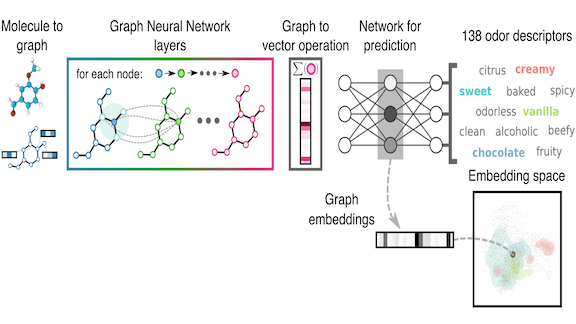
Predicting a molecule’s aroma is hard because slight changes in structure lead to huge shifts in perception. Good thing deep learning is developing a sense of smell.

Computer vision models typically draw bounding boxes around objects they spot, but those rectangles are a crude approximation of an object’s outline. A new method finds keypoints on an object’s perimeter to produce state-of-the-art object classification.

Google spent the past year training an AI-powered health care program using personal information from one of the largest hospital systems in the U.S. Patients had no idea — until last week.

My last two letters explored robustness and small data as common reasons why AI projects fail. In the final letter of this three-part series, I’d like to discuss change management.

Knightscope’s security robots look cute. But these cone-headed automatons, which serve U.S. police departments and businesses, are serious surveillance machines.
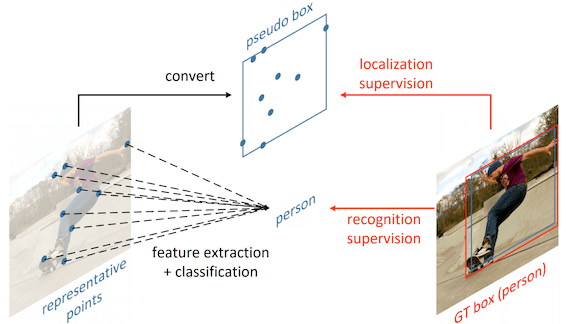
Computer vision models typically draw bounding boxes around objects they spot, but those rectangles are a crude approximation of an object’s outline. A new method finds keypoints on an object’s perimeter to produce state-of-the-art object classification.

Foreign researchers hoping to attend one of AI’s largest conferences were denied entry into Canada, where the event will be held. Most of those blocked were from developing nations.

Predicting a molecule’s aroma is hard because slight changes in structure lead to huge shifts in perception. Good thing deep learning is developing a sense of smell.

My last two letters explored robustness and small data as common reasons why AI projects fail. In the final letter of this three-part series, I’d like to discuss change management. Change management isn’t an issue specific to AI, but given the technology’s disruptive nature...
Stay updated with weekly AI News and Insights delivered to your inbox