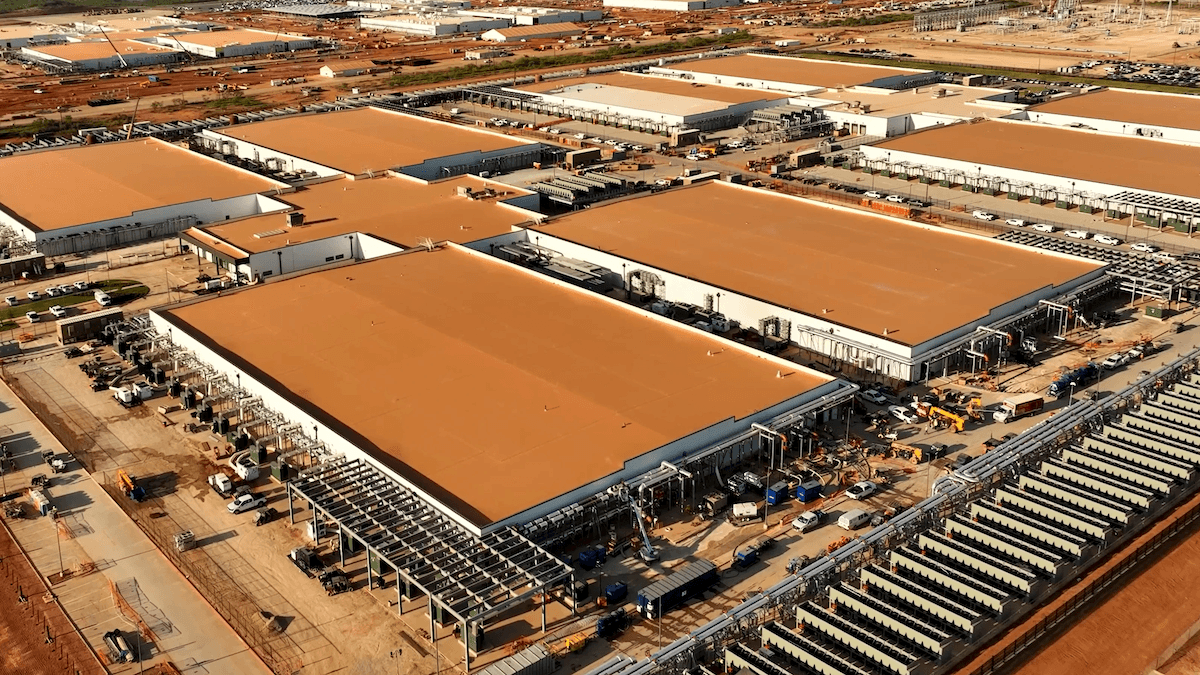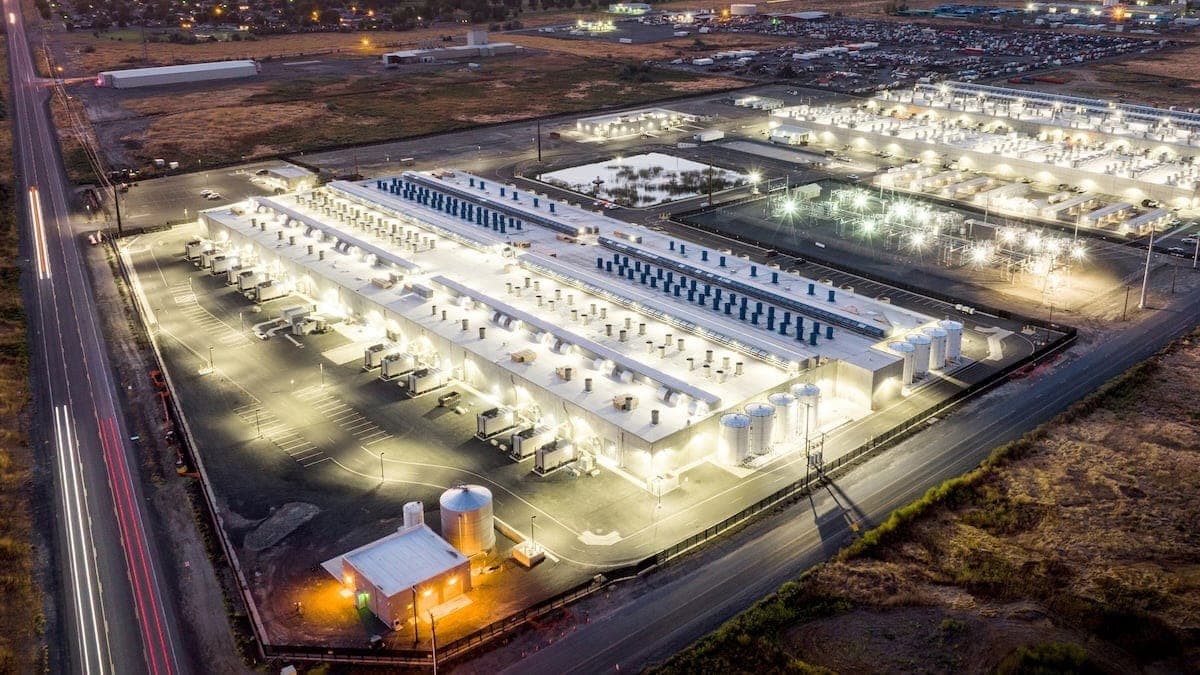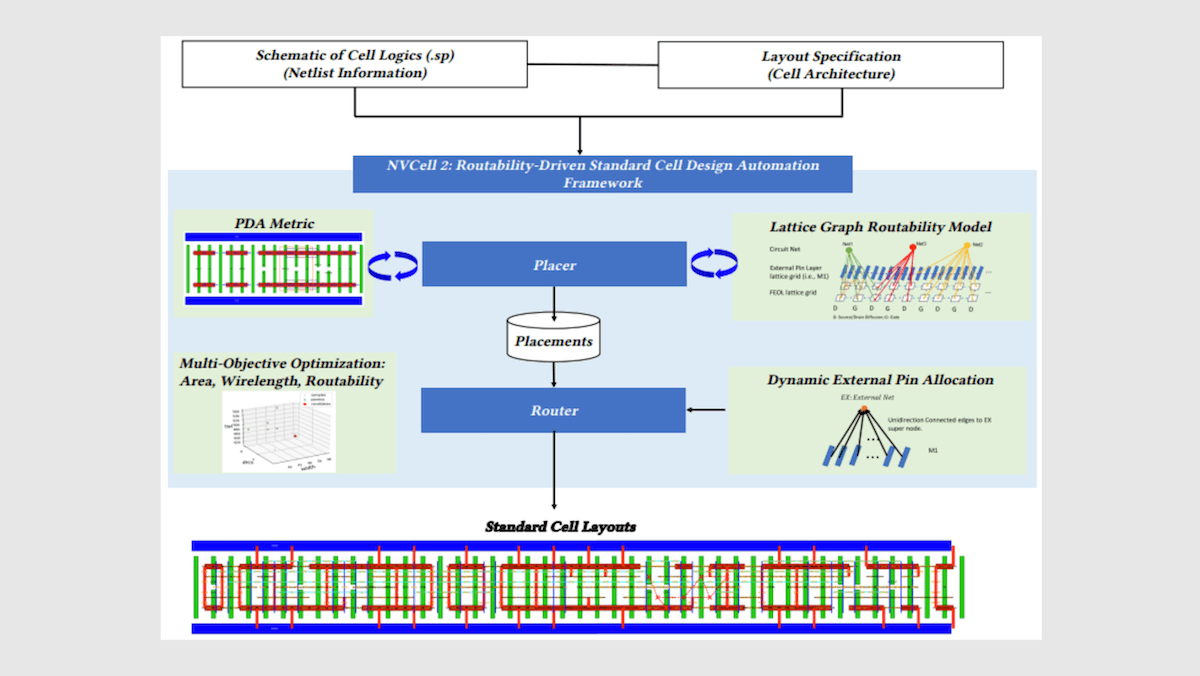
How Nvidia Uses AI to Design Chips: Chipmaker's models design circuits, verify designs, and test new layouts
Nvidia’s chief scientist dreams of telling an AI model to design a new GPU, then skiing for a couple days while the system does the job.
72 Posts

Nvidia’s chief scientist dreams of telling an AI model to design a new GPU, then skiing for a couple days while the system does the job.


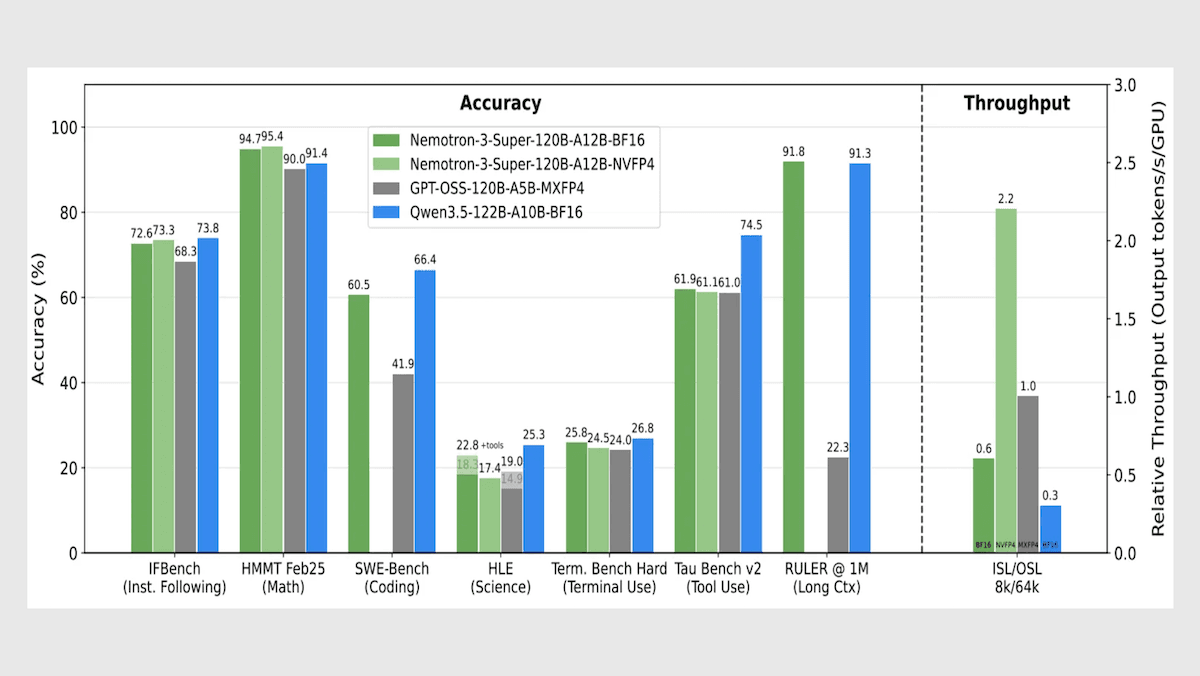
Nvidia, the dominant supplier of AI chips, released a competitive open-source large language model whose speed tops its size class — the first open-weights leader to come from the United States since last year, when Meta delivered Llama 4.

DeepSeek, the Chinese developer of outstanding open-weights models, has withheld an upcoming update of its flagship model from U.S. chip makers, a move that intensifies the AI rivalry between the U.S. and China.

Projected demand for output from large language models is spurring a massive buildout of data centers. Researchers asked whether smaller models running on local devices could meaningfully lighten that load.

The United States government’s effort to deprive China of AI computing power backfired as China turned the tables and banned U.S.-designed chips.

Models that generate 3D spaces typically generate them as users move through them without generating a persistent world to be explored later. A new model produces 3D worlds that can be exported and modified.

Having recently revised its agreement with longtime partner OpenAI, Microsoft pledged to invest billions of dollars in Anthropic, one of OpenAI’s top competitors.

The first offering from Thinking Machines Lab, the startup founded by former OpenAI CTO Mira Murati, aims to simplify — and democratize — the process of fine-tuning AI models.

OpenAI, strapped for processing power to drive a worldwide constellation of planned data centers, turned to Nvidia’s archrival AMD.

A flurry of announcements brought into sharper focus OpenAI’s plans to build what may amount to trillions of dollars of global computing capacity.

OpenAI is working with Oracle to build its next chunk of processing power, a $30 billion outgrowth of the partners’ $500 billion Stargate project and a sign of OpenAI’s ongoing thirst for computation.

India, which has limited funding and large numbers of languages and dialects, is redoubling its efforts to build native large language models.

Nvidia will resume sales of H20 processors in China.

Amazon revealed new details of its plan to build a constellation of massive data centers and connect them into an “ultracluster.” Customer Number One: Anthropic.

The United States government announced sweeping agreements to sell tens of billions of dollars worth of AI technology and services to Saudi Arabia and the United Arab Emirates.
Stay updated with weekly AI News and Insights delivered to your inbox