All Examples Are Not Equal: An algorithm for improved semi-supervised learning
Efficiency

All Examples Are Not Equal: An algorithm for improved semi-supervised learning

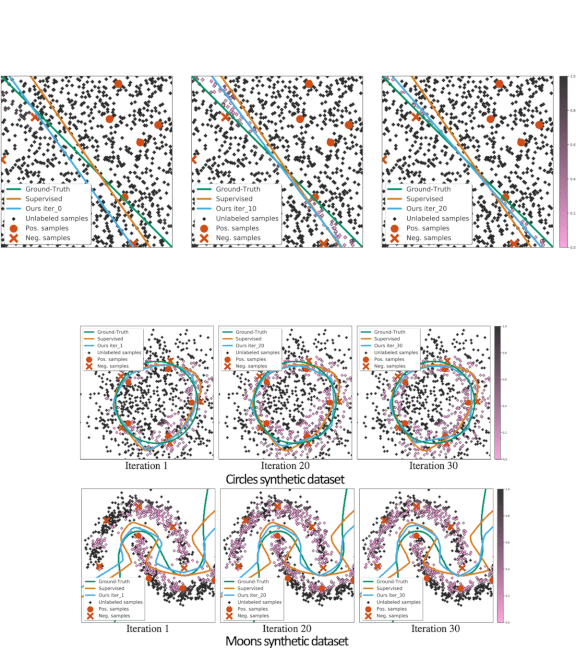
Semi-supervised learning — a set of training techniques that use a small number of labeled examples and a large number of unlabeled examples — typically treats all unlabeled examples the same way. But some examples are more useful for learning than others.

August 19, 20202 min read
All Examples Are Not Equal: An algorithm for improved semi-supervised learning
Efficiency

All Examples Are Not Equal: An algorithm for improved semi-supervised learning

Semi-supervised learning — a set of training techniques that use a small number of labeled examples and a large number of unlabeled examples — typically treats all unlabeled examples the same way. But some examples are more useful for learning than others.
August 19, 20202 min read
Build Once, Run Anywhere: The Once-For-All technique adapts AI models to edge devices.
Efficiency

Build Once, Run Anywhere: The Once-For-All technique adapts AI models to edge devices.

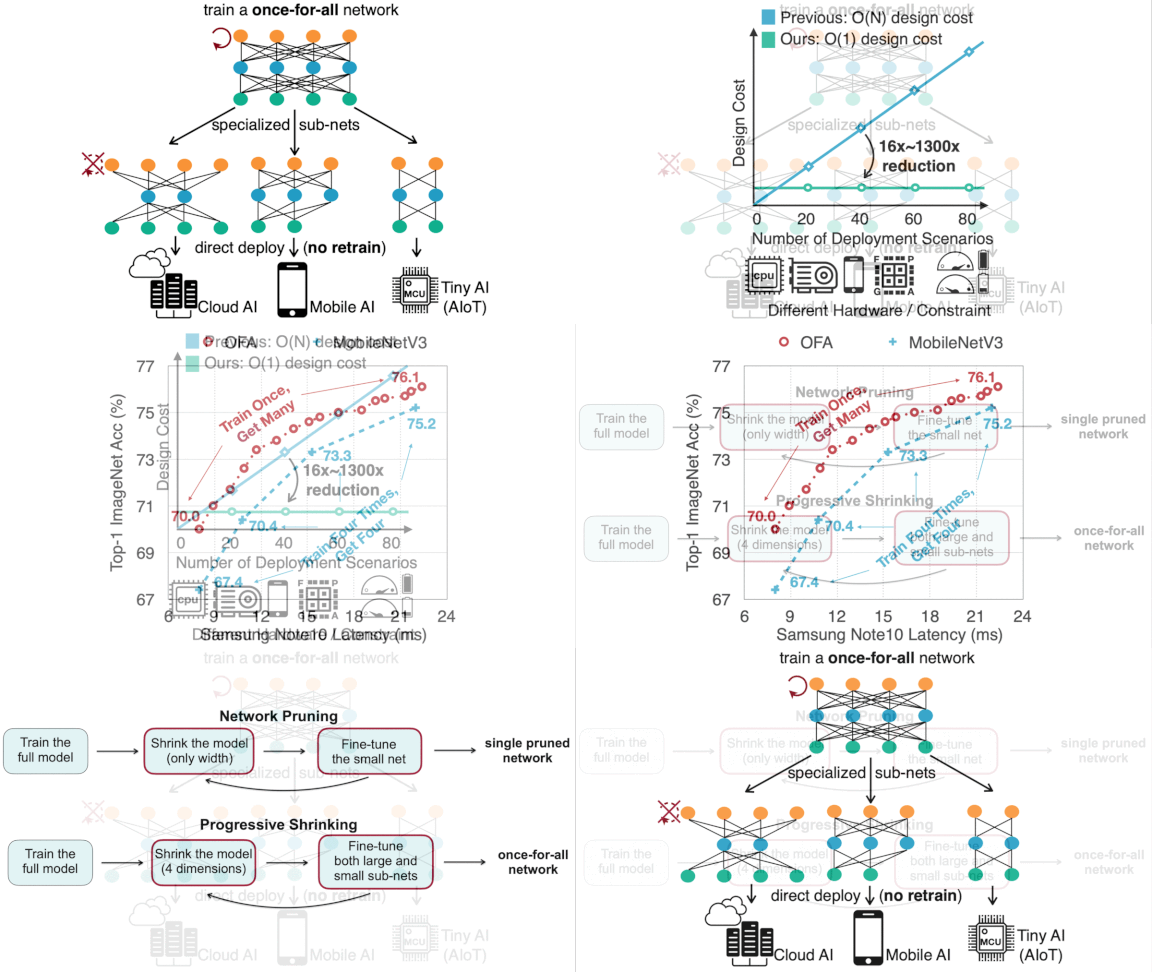
From server to smartphone, devices with less processing speed and memory require smaller networks. Instead of building and training separate models to run on a variety of hardware, a new approach trains a single network that can be adapted to any device.

June 24, 20202 min read
Misleading Metrics: Advances in metric learning may be illusions.
Efficiency

Misleading Metrics: Advances in metric learning may be illusions.

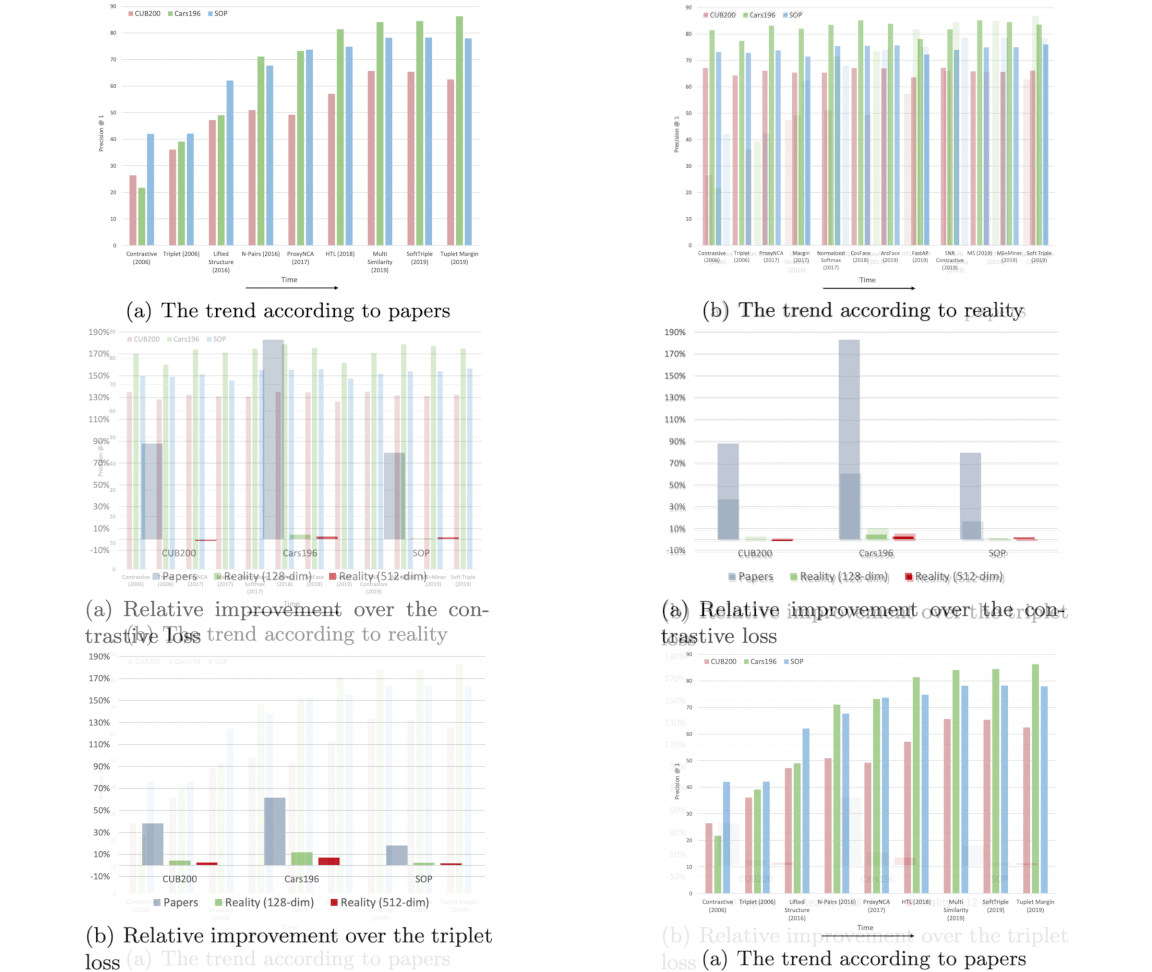
A growing body of literature shows that some steps in AI’s forward march may actually move sideways. A new study questions advances in metric learning.

June 24, 20202 min read
Misleading Metrics: Advances in metric learning may be illusions.
Efficiency

Misleading Metrics: Advances in metric learning may be illusions.

A growing body of literature shows that some steps in AI’s forward march may actually move sideways. A new study questions advances in metric learning.

June 24, 20202 min read
Build Once, Run Anywhere: The Once-For-All technique adapts AI models to edge devices.
Efficiency

Build Once, Run Anywhere: The Once-For-All technique adapts AI models to edge devices.

From server to smartphone, devices with less processing speed and memory require smaller networks. Instead of building and training separate models to run on a variety of hardware, a new approach trains a single network that can be adapted to any device.

June 24, 20202 min read
Bigger is Better: A research summary of Microsoft's Turing-NLG language model.
Efficiency

Bigger is Better: A research summary of Microsoft's Turing-NLG language model.

Natural language processing lately has come to resemble an arms race, as the big AI companies build models that encompass ever larger numbers of parameters. Microsoft recently held the record — but not for long.

June 17, 20202 min read
Bigger is Better: A research summary of Microsoft's Turing-NLG language model.
Efficiency

Bigger is Better: A research summary of Microsoft's Turing-NLG language model.

Natural language processing lately has come to resemble an arms race, as the big AI companies build models that encompass ever larger numbers of parameters. Microsoft recently held the record — but not for long.

June 17, 20202 min read
Running Fast, Standing Still: Some state of the art machine learning progress is illusory.
Efficiency

Running Fast, Standing Still: Some state of the art machine learning progress is illusory.

Machine learning researchers report better and better results, but some of that progress may be illusory. Some models that appear to set a new state of the art haven’t been compared properly to their predecessors, Science News reports based on several published surveys.

June 10, 20201 min read
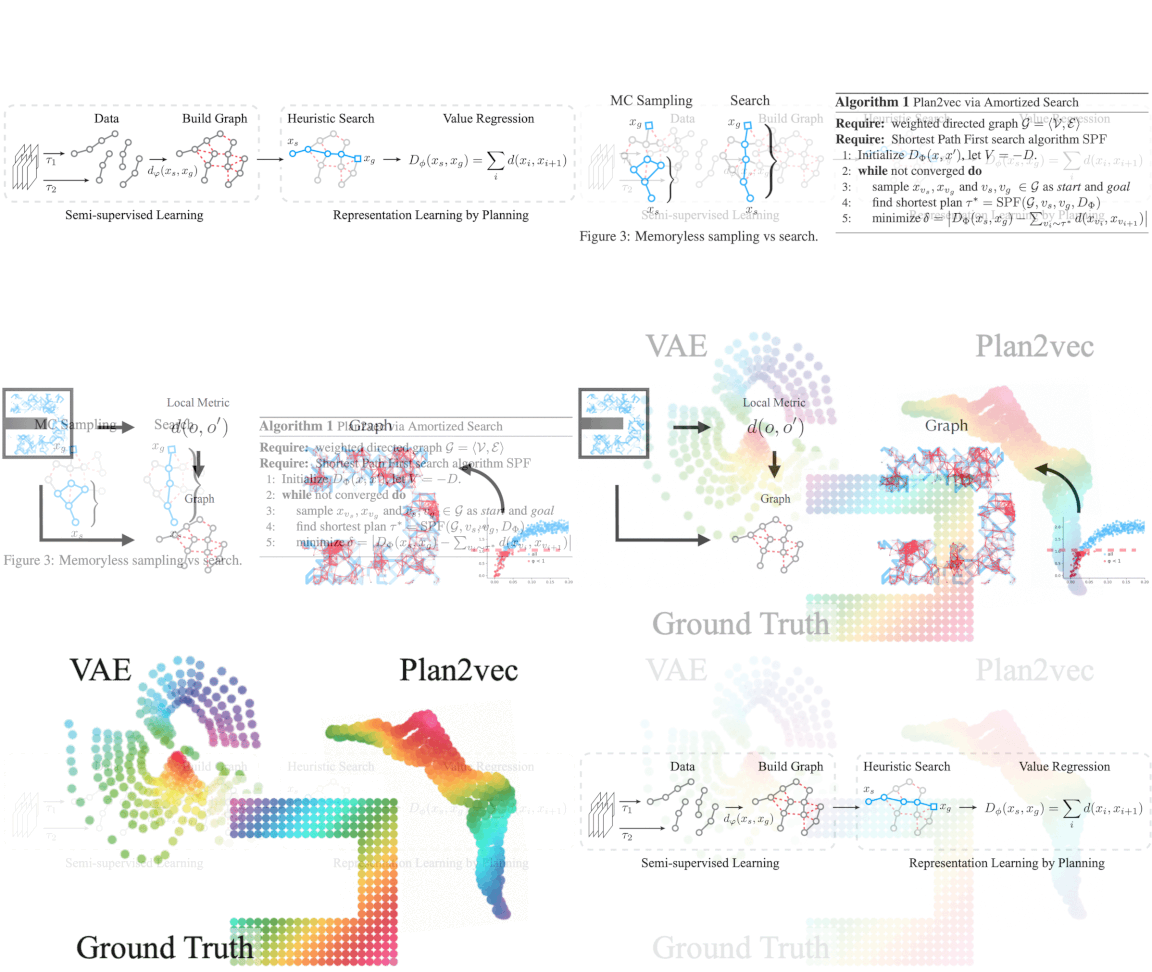
Visual Strategies for RL: Plan2Vec helps reinforcement learning with complex tasks.
Efficiency

Visual Strategies for RL: Plan2Vec helps reinforcement learning with complex tasks.

Reinforcement learning can beat humans at video games, but humans are better at coming up with strategies to master more complex tasks. New work enables neural networks to connect the dots.

June 10, 20202 min read
Visual Strategies for RL: Plan2Vec helps reinforcement learning with complex tasks.
Efficiency

Visual Strategies for RL: Plan2Vec helps reinforcement learning with complex tasks.

Reinforcement learning can beat humans at video games, but humans are better at coming up with strategies to master more complex tasks. New work enables neural networks to connect the dots.

June 10, 20202 min read
Running Fast, Standing Still: Some state of the art machine learning progress is illusory.
Efficiency

Running Fast, Standing Still: Some state of the art machine learning progress is illusory.

Machine learning researchers report better and better results, but some of that progress may be illusory. Some models that appear to set a new state of the art haven’t been compared properly to their predecessors, Science News reports based on several published surveys.

June 10, 20201 min read
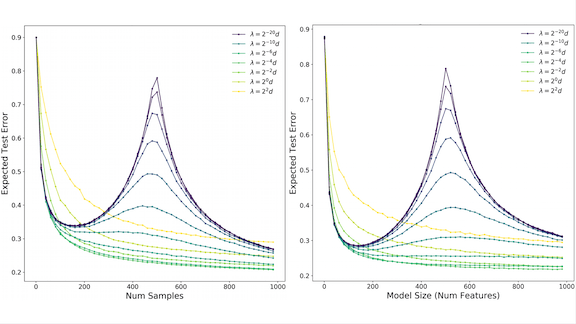
Moderating the ML Roller Coaster: A technique to avoid double descent in AI
Efficiency

Moderating the ML Roller Coaster: A technique to avoid double descent in AI

Wait a minute — we added training data, and our model’s performance got worse?! New research offers a way to avoid so-called double descent.

April 22, 20202 min read
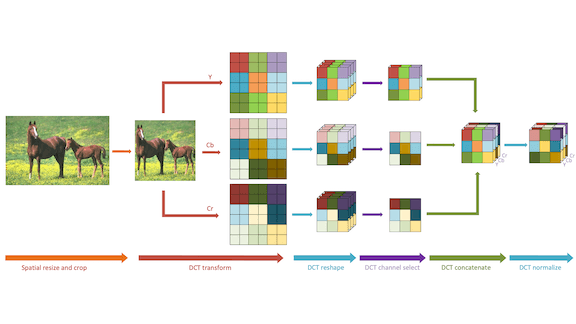
Preserving Detail in Image Inputs: Better image compression for computer vision datasets
Efficiency

Preserving Detail in Image Inputs: Better image compression for computer vision datasets

Given real-world constraints on memory and processing time, images are often downsampled before they’re fed into a neural network. But the process removes fine details, and that degrades accuracy. A new technique squeezes images with less compromise.

April 22, 20202 min read
Moderating the ML Roller Coaster: A technique to avoid double descent in AI
Efficiency

Moderating the ML Roller Coaster: A technique to avoid double descent in AI

Wait a minute — we added training data, and our model’s performance got worse?! New research offers a way to avoid so-called double descent.

April 22, 20202 min read

Subscribe to The Batch

Stay updated with weekly AI News and Insights delivered to your inbox