
Business
Web Data Diminishes: What if online publishers make it harder and more expensive to train models?
For decades, AI developers have treated the web as an open faucet of training data. Now publishers are shutting the tap. Will web data dry up?

For decades, AI developers have treated the web as an open faucet of training data. Now publishers are shutting the tap. Will web data dry up?

Leading AI companies are spending mountains of cash in hopes that the technology will deliver outsize profits before investors lose patience. Are exuberant bets on big returns grounded in the quicksand of wishful thinking?

In the absence of national laws that specifically regulate AI in the United States, California moved to regulate the technology within its own borders, passing four bills in less than a month.

The first offering from Thinking Machines Lab, the startup founded by former OpenAI CTO Mira Murati, aims to simplify — and democratize — the process of fine-tuning AI models.

OpenAI, strapped for processing power to drive a worldwide constellation of planned data centers, turned to Nvidia’s archrival AMD.

OpenAI and Meta, which have been content to offer standalone chatbots or tuck them into existing products, introduced dueling social video networks and other initiatives designed to boost revenue and engagement.
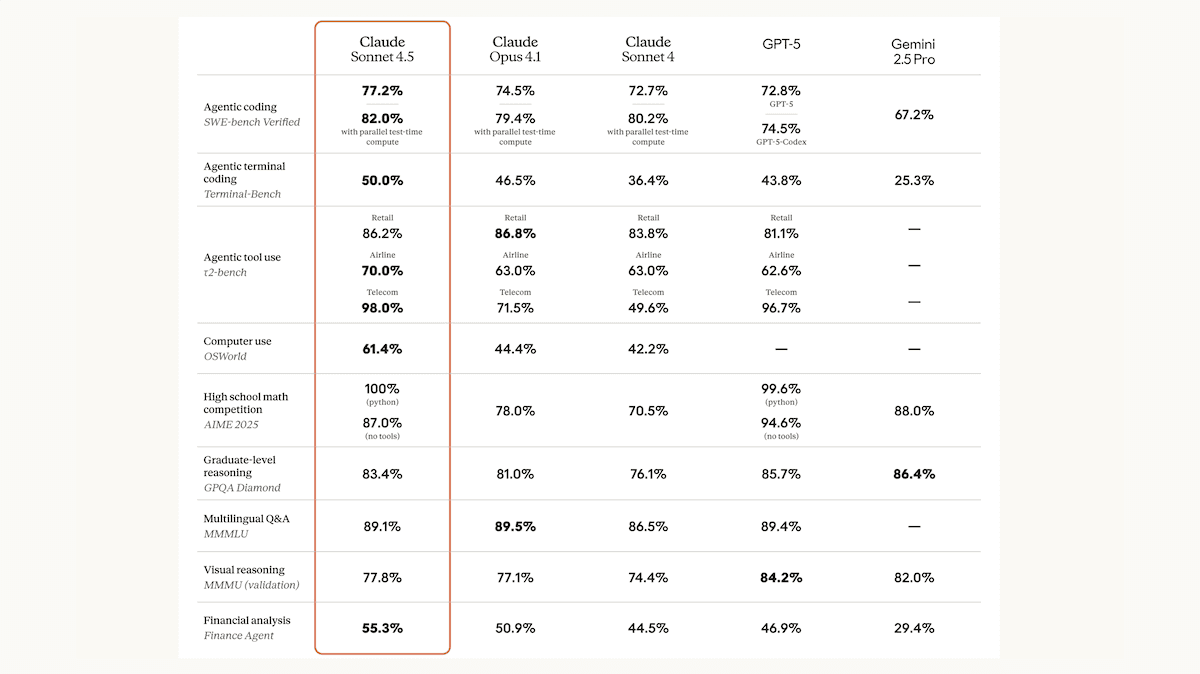
Anthropic updated its mid-size Claude Sonnet model, making it the first member of the Claude family to reach version 4.5. It also enhanced the Claude Code agentic coding tool with long-desired features.

A Swedish organization that collects royalties on behalf of songwriters and record companies has formed a technology-legal-business ecosystem designed to allow AI developers to use music legally while compensating publishers of recordings and compositions.

A flurry of announcements brought into sharper focus OpenAI’s plans to build what may amount to trillions of dollars of global computing capacity.
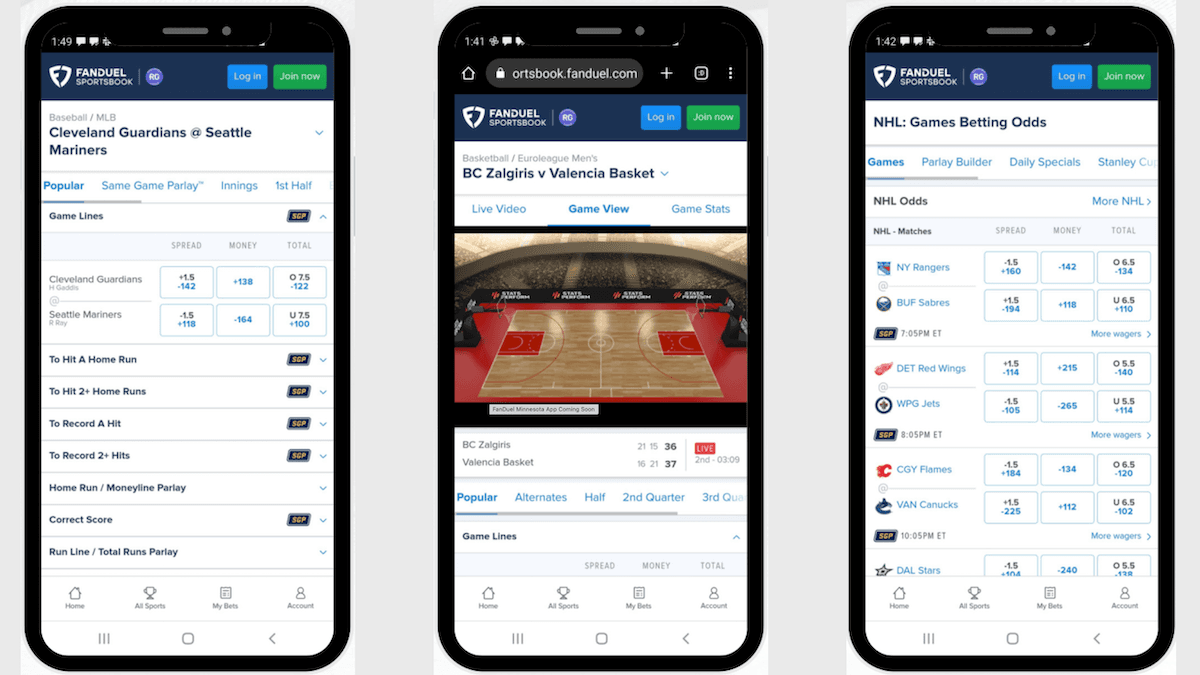
AI agents are getting in on the action of online sports gambling.
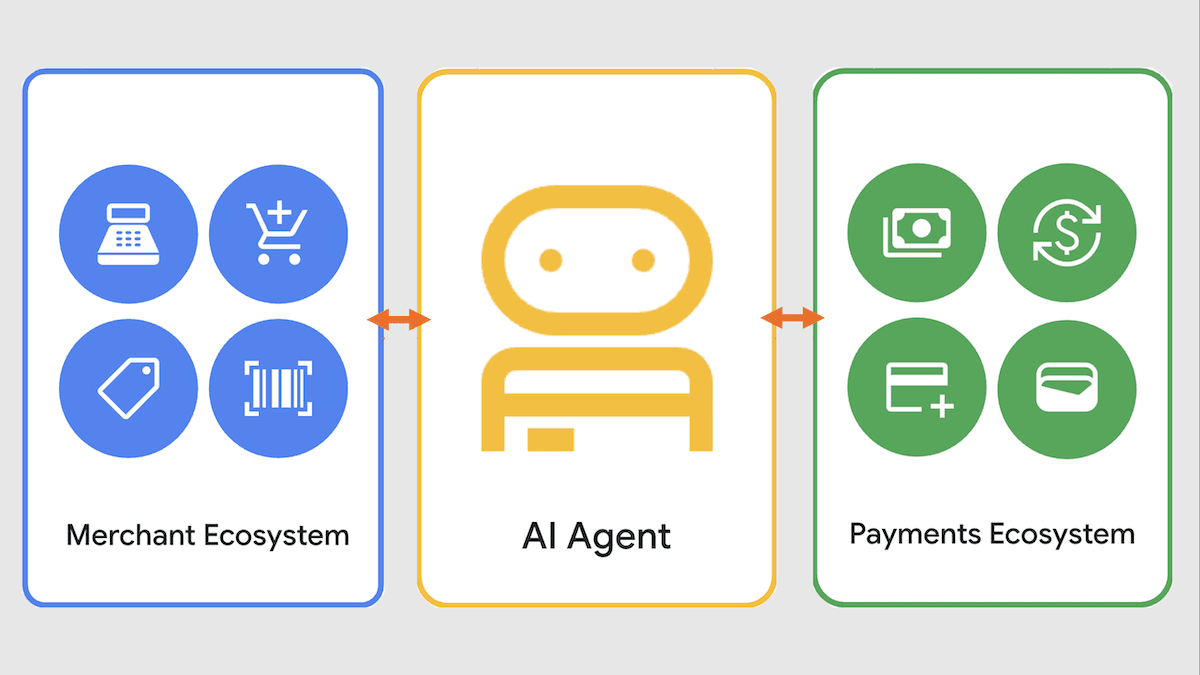
Google launched an open protocol for agentic payments that enables agents based on any large language model to purchase items over the internet.

Illinois became the second U.S. state, after Nevada, to ban AI applications that administer psychotherapy.

This week, Coursera held its annual conference in Las Vegas. A major theme was the shift from knowledge- to skills-based education, which will help many individuals, businesses, and educational institutions.

AI companies that aspire to compete with Google in search and other information-retrieval applications got a boost from the United States government.
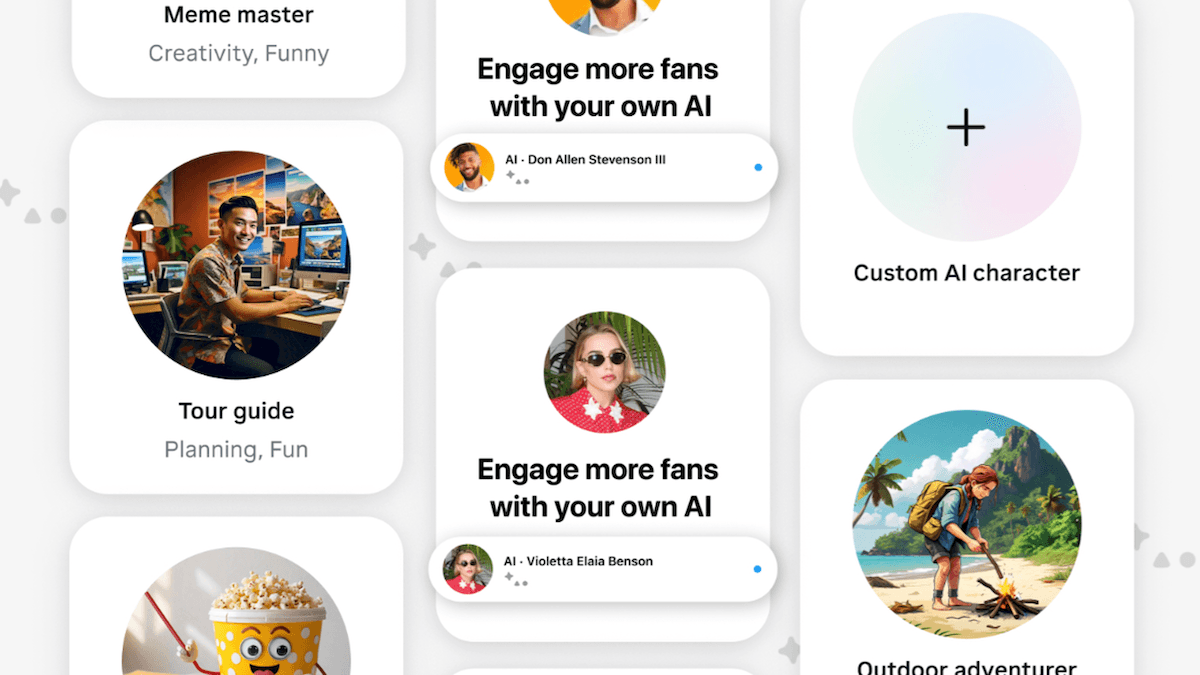
Meta and OpenAI promised to place more controls on their chatbots’ conversations with children and teenagers, as worrisome interactions with minors come under increasing scrutiny.
Stay updated with weekly AI News and Insights delivered to your inbox