
Business
Open Source Wins by David Cox: David Cox, VP for AI Models at IBM Research, on the need for open development in AI
My hope is that open AI continues to flourish and ultimately wins.

My hope is that open AI continues to flourish and ultimately wins.

The United States government’s effort to deprive China of AI computing power backfired as China turned the tables and banned U.S.-designed chips.
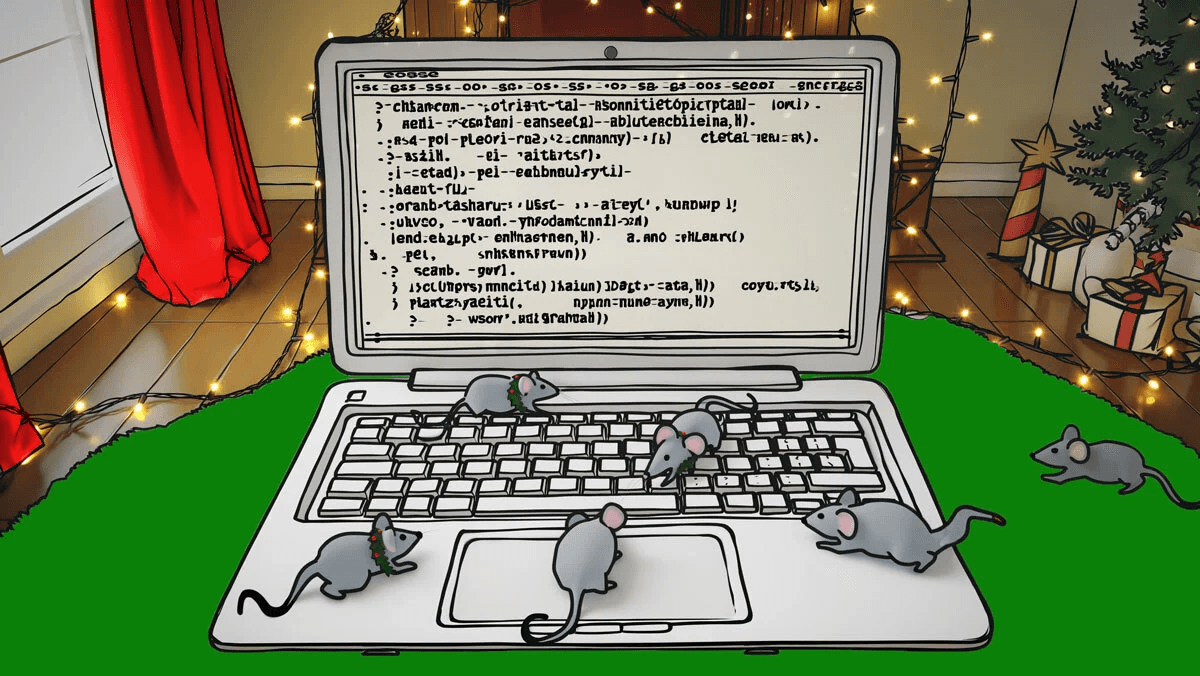
Coding apps moved beyond autofill-style code completion to agentic systems that manage a wide range of software development tasks.

Top AI companies announced plans to build data centers that are projected to burn through trillions of dollars and gigawatts of electricity in the next few years.

Leading AI companies fought a ferocious war for talent, luring top talent from competitors with levels of compensation more commonly associated with pro sports.

Disney, the entertainment conglomerate that owns Marvel, Pixar, Lucasfilm and its own animated classics from 101 Dalmatians to Zootopia, licensed OpenAI to use its characters in generated videos.
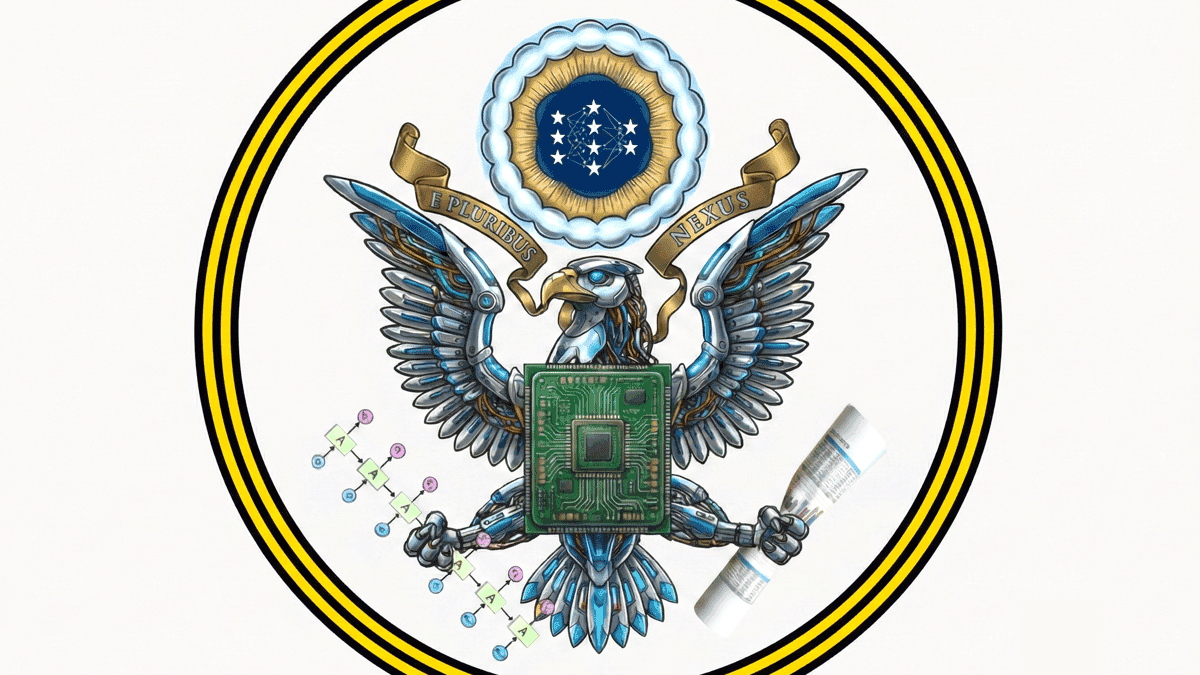
President Trump launched a United States effort to use AI to speed up scientific breakthroughs.

Models that generate 3D spaces typically generate them as users move through them without generating a persistent world to be explored later. A new model produces 3D worlds that can be exported and modified.

A music-generation newcomer emerged from stealth mode with licenses to train generative AI models on music controlled by the world’s biggest recording companies.

Having recently revised its agreement with longtime partner OpenAI, Microsoft pledged to invest billions of dollars in Anthropic, one of OpenAI’s top competitors.

Google introduced Gemini 3 Pro and Nano Banana Pro, its flagship vision-language and image-generation models, and deployed them to billions of users worldwide.

Waymo became the first company to offer fully autonomous, driverless taxi service on freeways in the United States.

A year-in-review report heralds the dawn of AI’s industrial era.

Music-generation service Udio will build an AI streaming platform in collaboration with the world’s biggest record label.

OpenAI completed its transition from nonprofit to for-profit in a feat of legal engineering that took an army of lawyers, investment bankers, and two state attorneys general 18 months to negotiate.
Stay updated with weekly AI News and Insights delivered to your inbox