Apr 22, 2020
Moderating the ML Roller Coaster: A technique to avoid double descent in AI
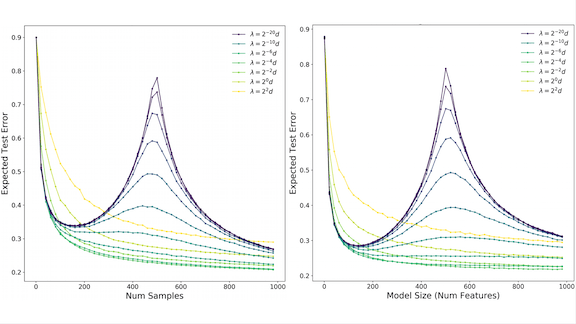
Wait a minute — we added training data, and our model’s performance got worse?! New research offers a way to avoid so-called double descent.

18 Posts
Wait a minute — we added training data, and our model’s performance got worse?! New research offers a way to avoid so-called double descent.

It’s time to stop flushing valuable data down the toilet. The Precision Health Toilet, a suite of sensors that attach to an ordinary commode, monitors human waste for input for signs of disease. It identifies individual users by scanning where the sun doesn’t shine.
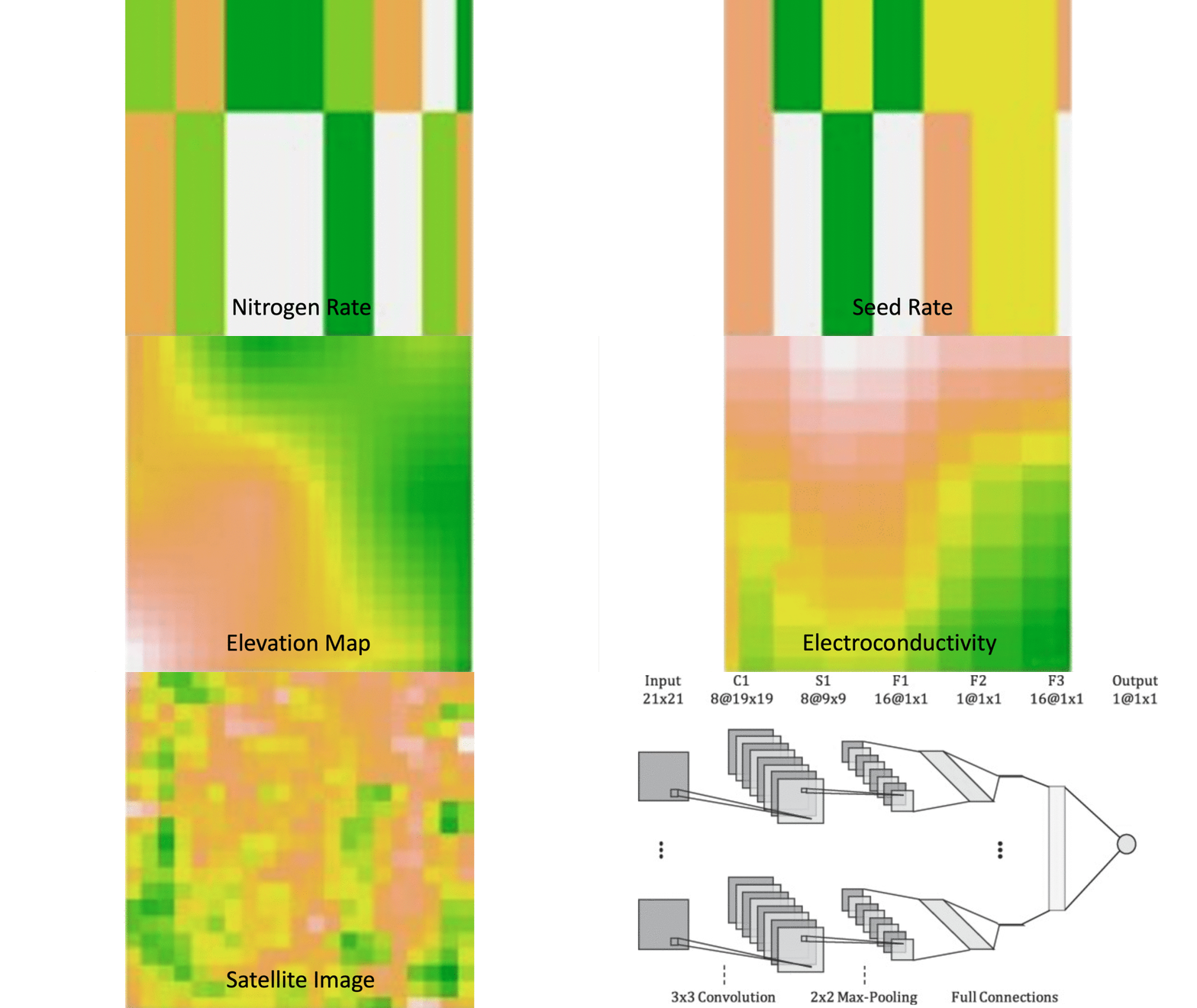
Deep learning research is harvesting better ways to manage farms. A convolutional neural network predicted corn yields in fields across the U.S. Midwest.
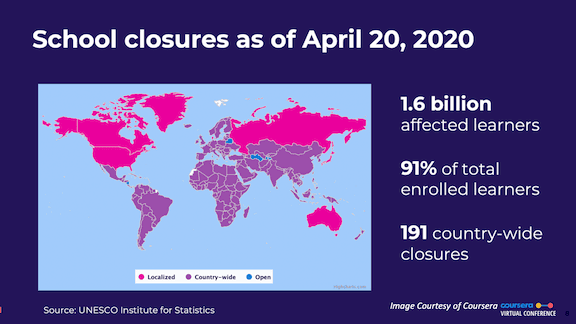
I spoke on Tuesday at Coursera’s annual conference. It was the company’s most well-attended conference yet, and the first to be held online. Higher education is in for turbulent times. With campuses shut down indefinitely...

I spoke on Tuesday at Coursera’s annual conference. It was the company’s most well-attended conference yet, and the first to be held online. Higher education is in for turbulent times.

Computer vision is helping construction workers keep their social distance. Smartvid.io, a service that focuses on construction sites, offers a tool that recognizes when workers get too close to each other. The tool sends distancing warnings and reports to construction superintendents.
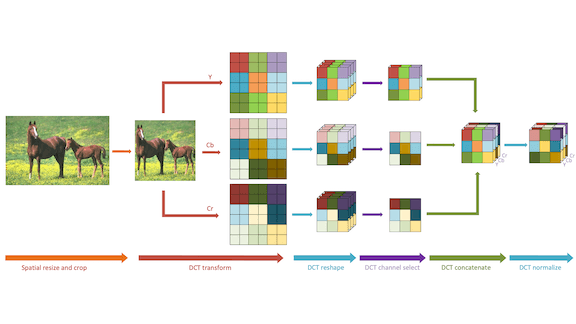
Given real-world constraints on memory and processing time, images are often downsampled before they’re fed into a neural network. But the process removes fine details, and that degrades accuracy. A new technique squeezes images with less compromise.

Wait a minute — we added training data, and our model’s performance got worse?! New research offers a way to avoid so-called double descent.

I spoke on Tuesday at Coursera’s annual conference. It was the company’s most well-attended conference yet, and the first to be held online. Higher education is in for turbulent times. With campuses shut down indefinitely...
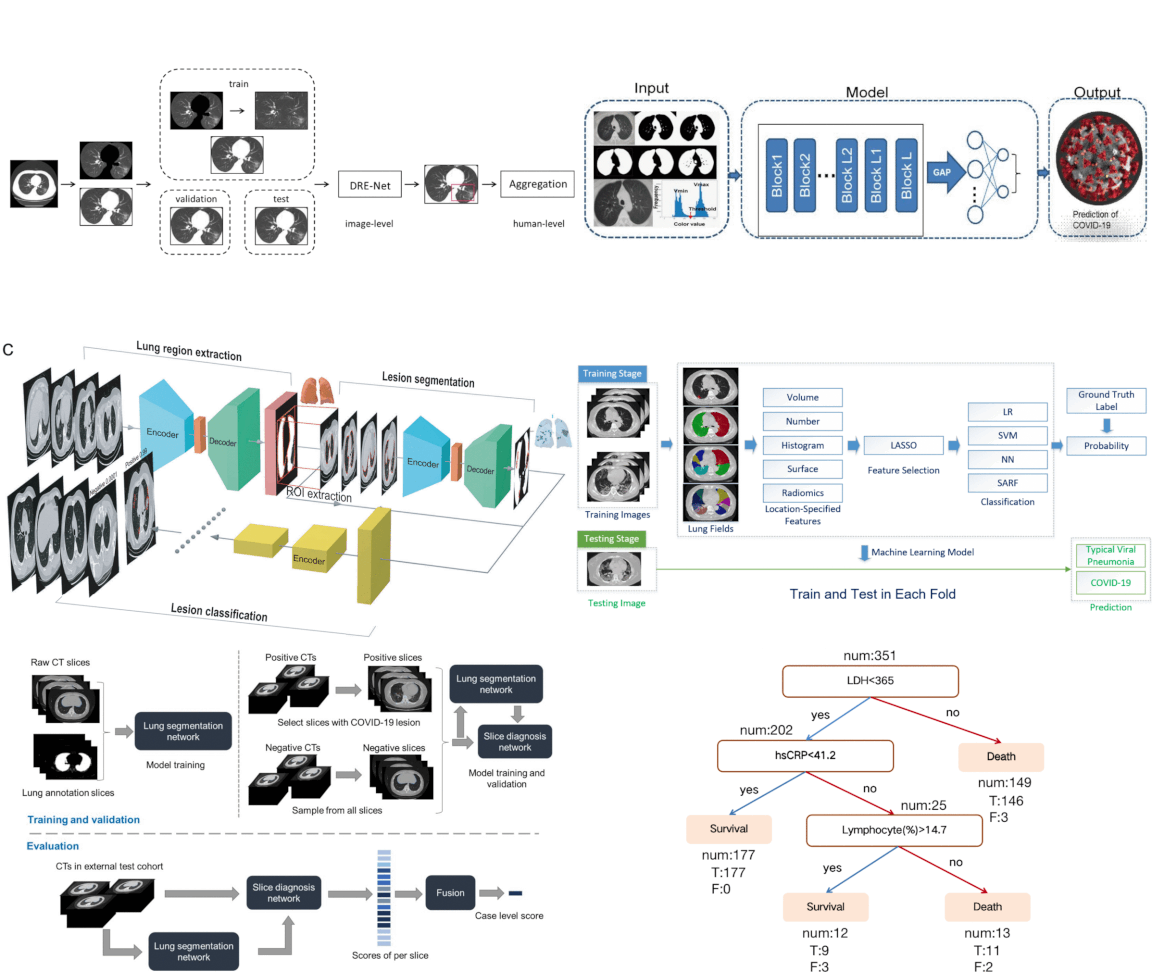
Researchers have rushed out a battery of AI-powered tools to combat the coronavirus, but an assessment of dozens of models is a wake-up call for machine learning engineers.

It’s time to stop flushing valuable data down the toilet. The Precision Health Toilet, a suite of sensors that attach to an ordinary commode, monitors human waste for input for signs of disease. It identifies individual users by scanning where the sun doesn’t shine.

Given real-world constraints on memory and processing time, images are often downsampled before they’re fed into a neural network. But the process removes fine details, and that degrades accuracy. A new technique squeezes images with less compromise.
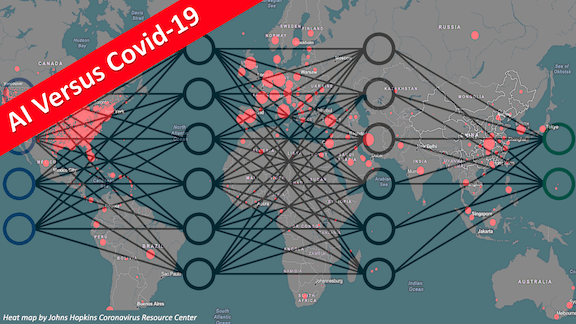
Machine learning engineers need tools and data to help fight the Covid-19 pandemic. Here are some that crossed our radar screen last week.
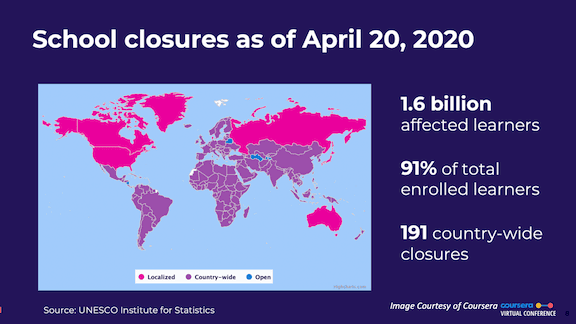
I spoke on Tuesday at Coursera’s annual conference. It was the company’s most well-attended conference yet, and the first to be held online. Higher education is in for turbulent times.

Computer vision is helping construction workers keep their social distance. Smartvid.io, a service that focuses on construction sites, offers a tool that recognizes when workers get too close to each other. The tool sends distancing warnings and reports to construction superintendents.
Stay updated with weekly AI News and Insights delivered to your inbox