Vision
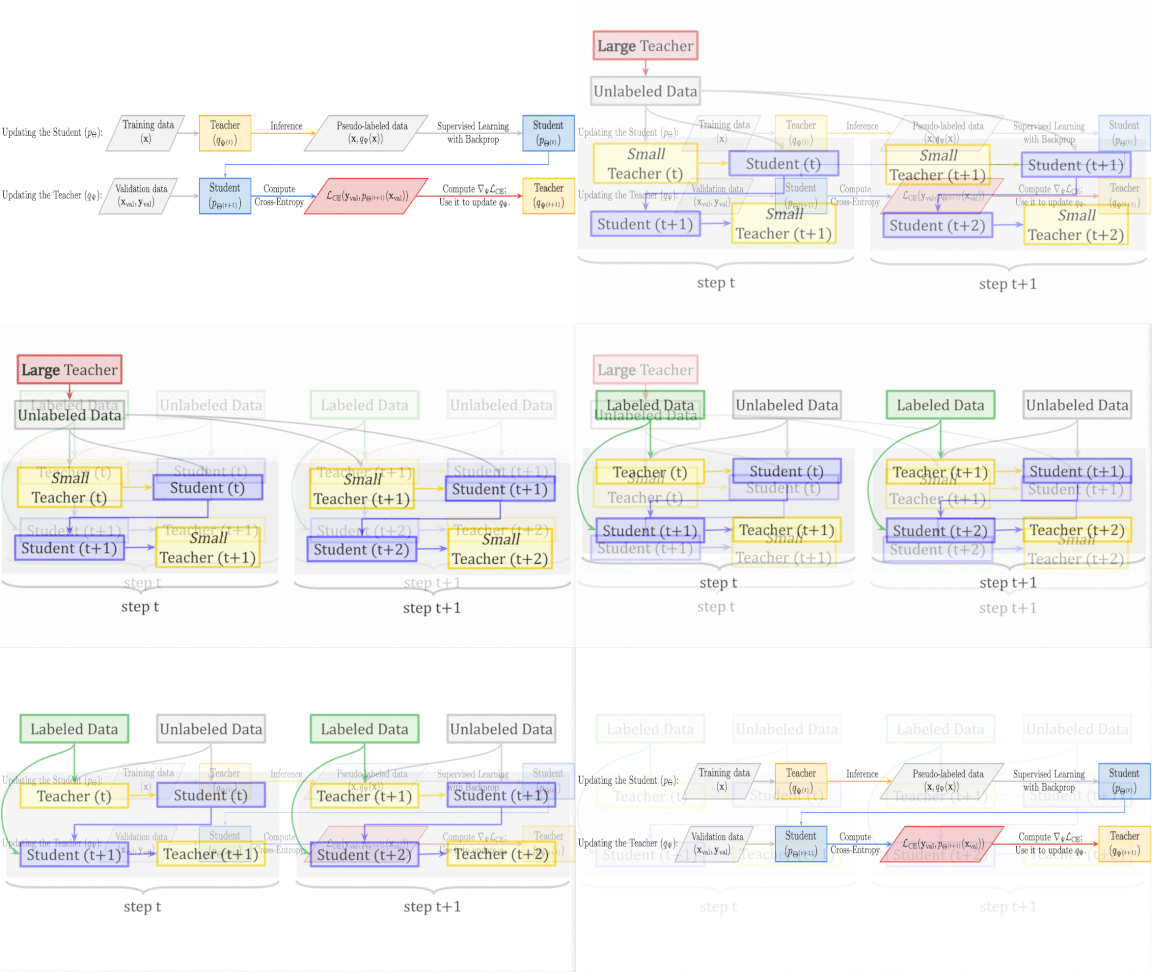
Flexible Teachers, Smarter Students: Meta Pseudo Labels improves knowledge distillation.
Human teachers can teach more effectively by adjusting their methods in response to student feedback. It turns out that teacher networks can do the same.

Human teachers can teach more effectively by adjusting their methods in response to student feedback. It turns out that teacher networks can do the same.
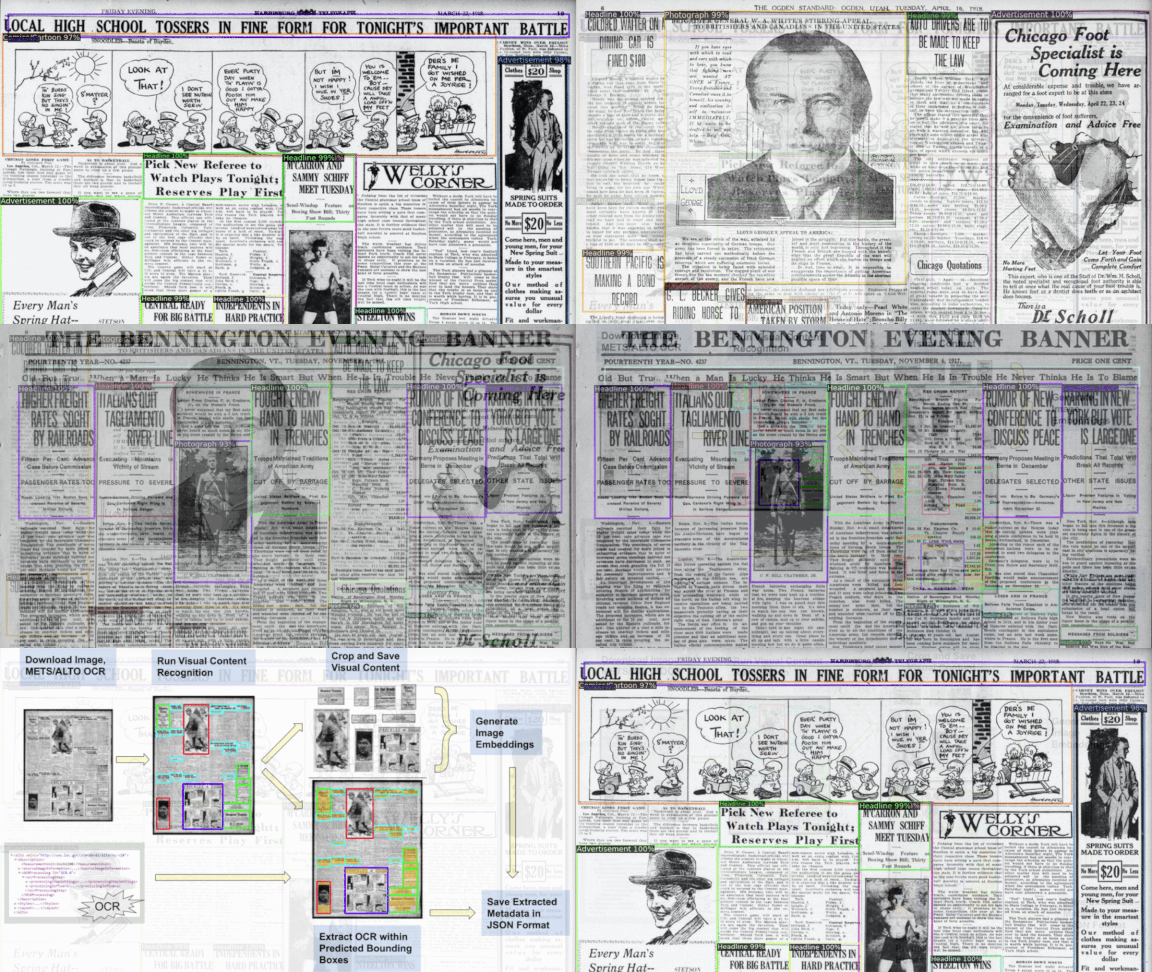
An algorithm indexed photos, ads, and other images embedded in 170 years of American newspapers. Created by researchers at the University of Washington and U.S. Library of Congress, Newspaper Navigator uses object recognition to organize visual features of newspapers dating back to 1789.

Cameras that detect face masks are helping French authorities to evaluate citizens’ adherence to government mandates intended to fight Covid-19. Starting this week, everyone riding public transportation in France is required to wear a face mask.
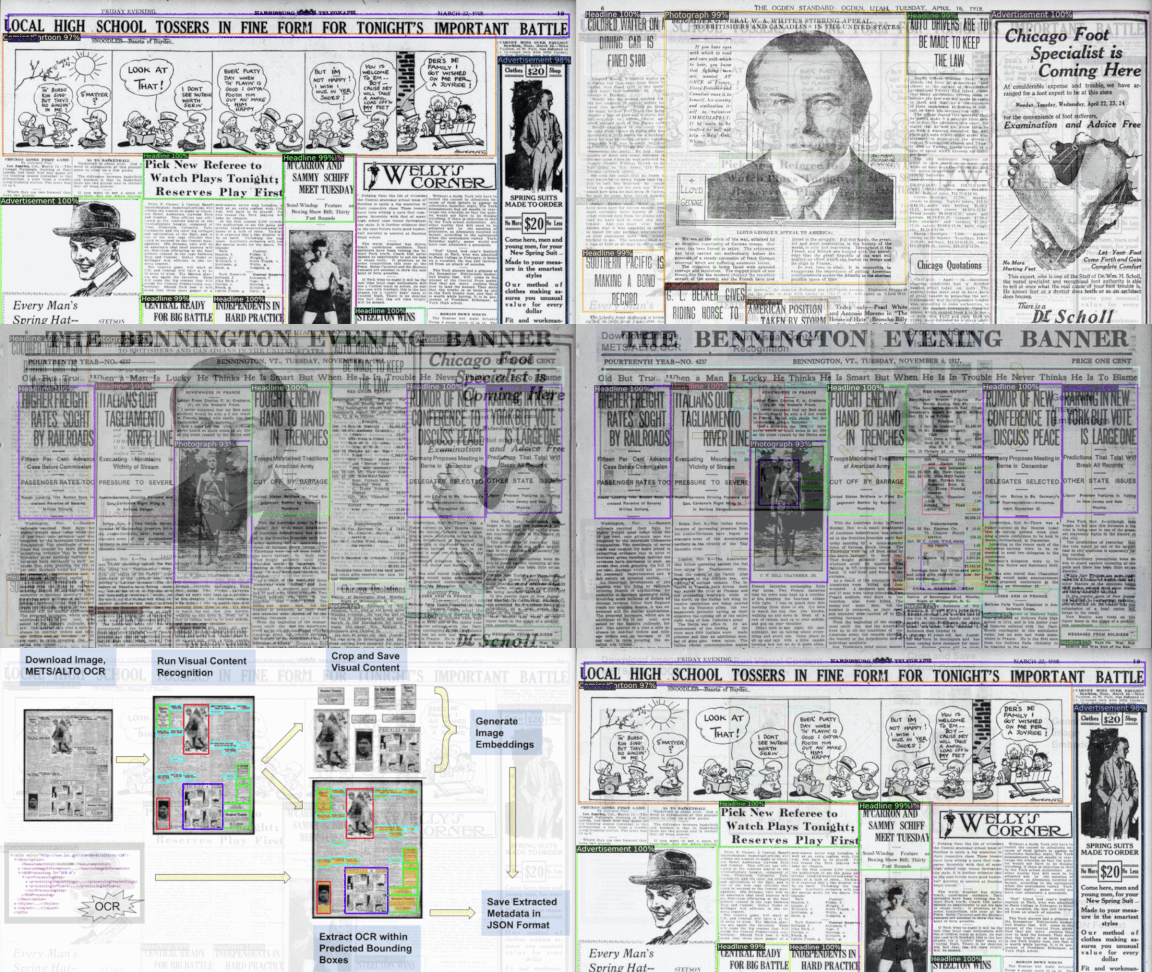
An algorithm indexed photos, ads, and other images embedded in 170 years of American newspapers. Created by researchers at the University of Washington and U.S. Library of Congress, Newspaper Navigator uses object recognition to organize visual features of newspapers dating back to 1789.
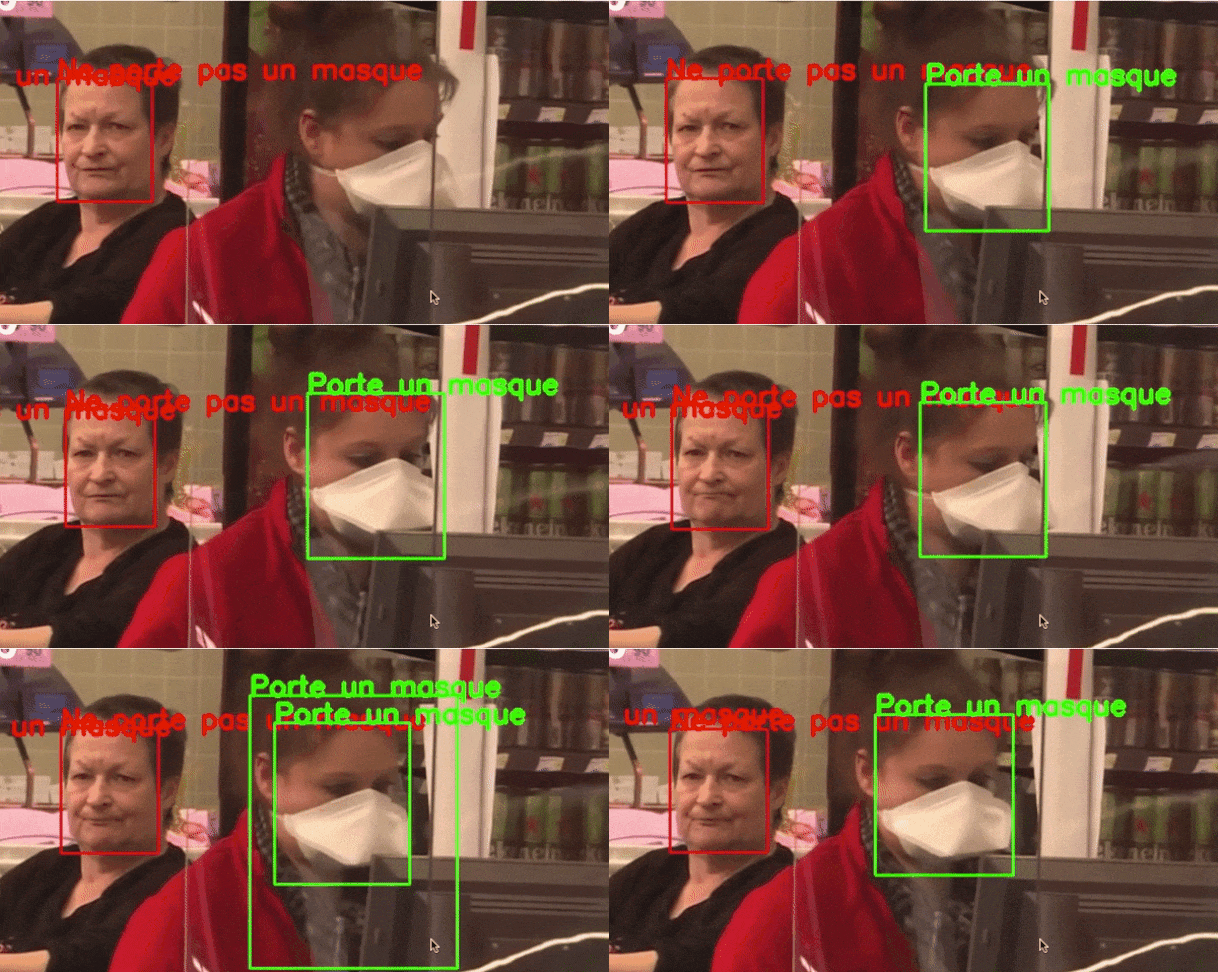
Cameras that detect face masks are helping French authorities to evaluate citizens’ adherence to government mandates intended to fight Covid-19. Starting this week, everyone riding public transportation in France is required to wear a face mask.
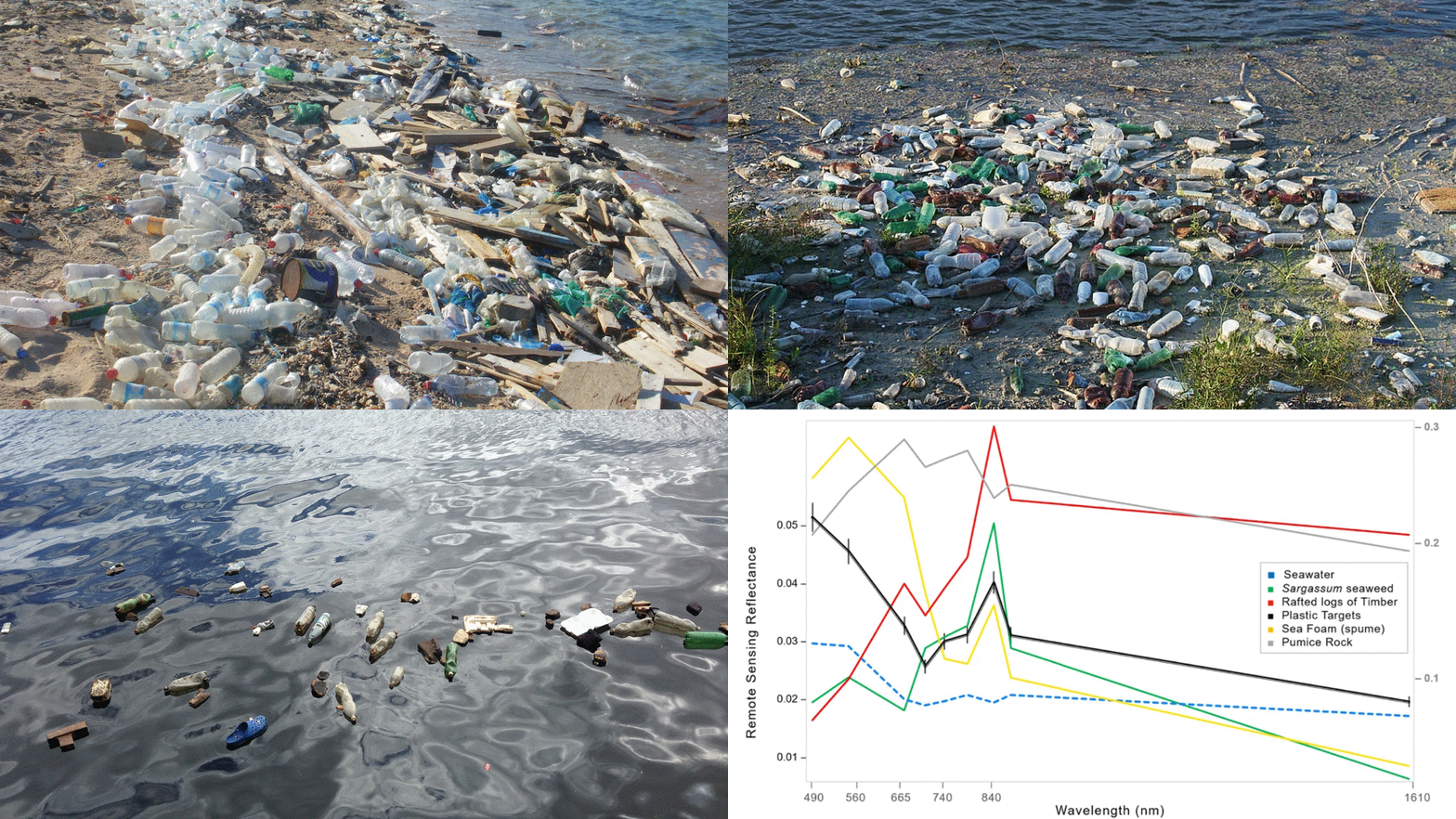
A machine learning model is scanning the oceans for the glint of garbage. Researchers from the UK’s Plymouth Marine Laboratory trained a model to identify ocean-borne refuse.

A machine learning model is scanning the oceans for the glint of garbage. Researchers from the UK’s Plymouth Marine Laboratory trained a model to identify ocean-borne refuse.
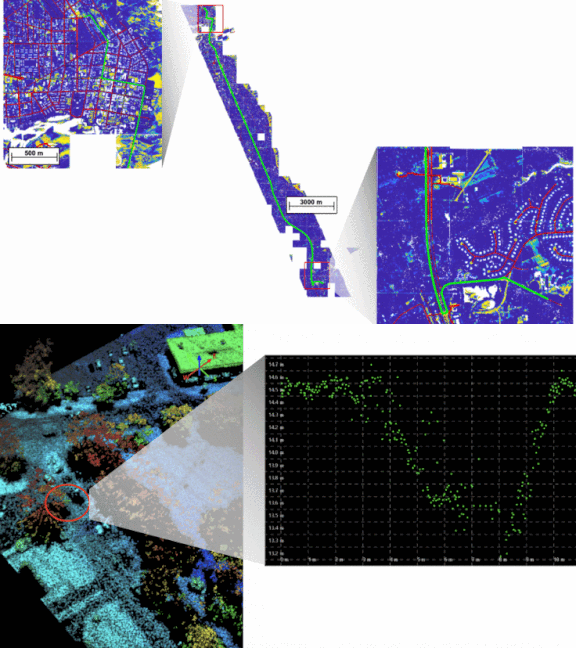
Deep learning promises to help emergency responders find their way through disaster zones. MIT researchers developed a tool that maps where hurricanes and other calamities have wiped out roads, helping to show aid workers the fastest ways to get to people in need.

Recognizing stop signs, with their bold color scheme and distinctive shape, ought to be easy for computer vision — but it turns out to be a tricky problem. Tesla pulled back the curtain on what it takes to train its self-driving software to perform this task and others.
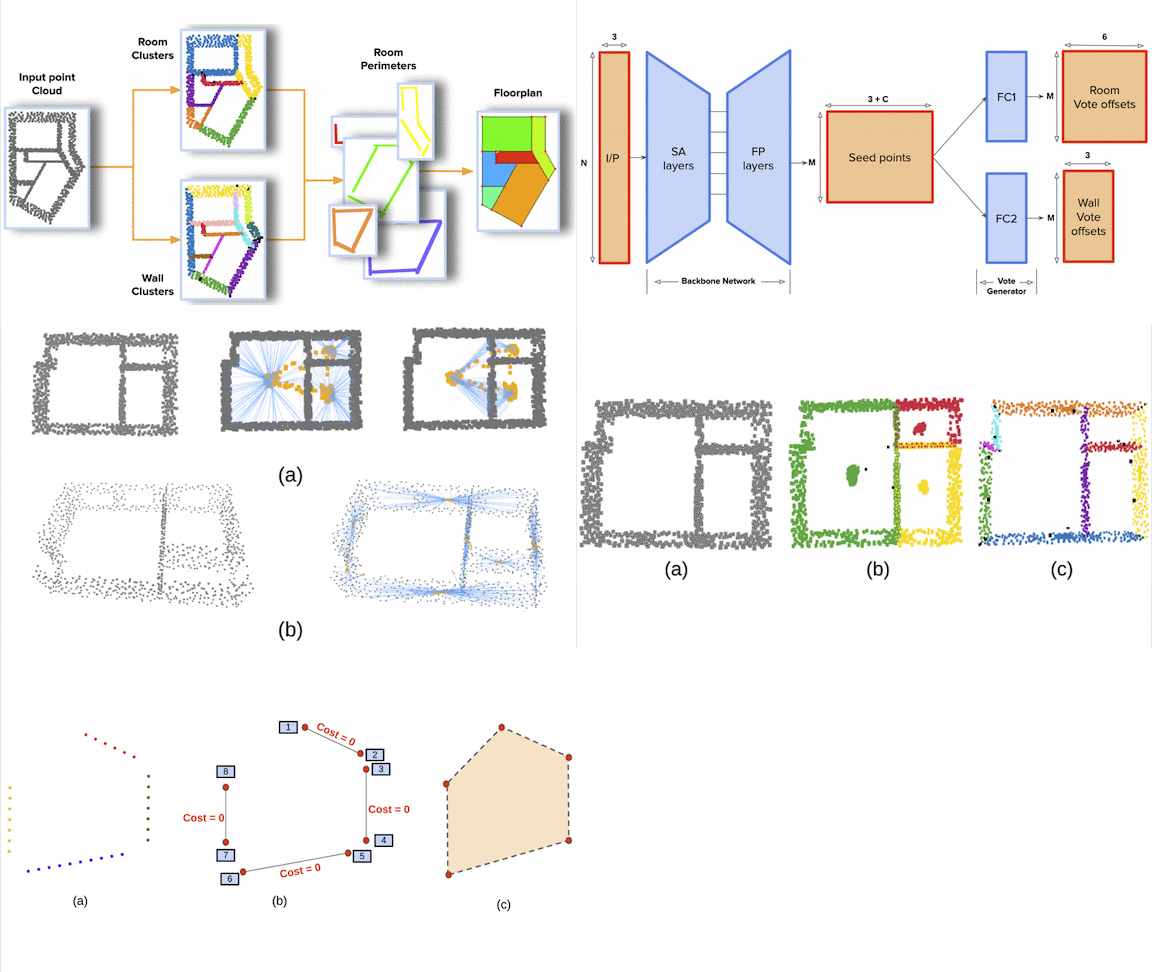
Robot vacuum cleaners are pretty good at navigating rooms, but they still get stuck in tight spaces. New work takes a step toward giving them the smarts they’ll need to escape the bathroom.
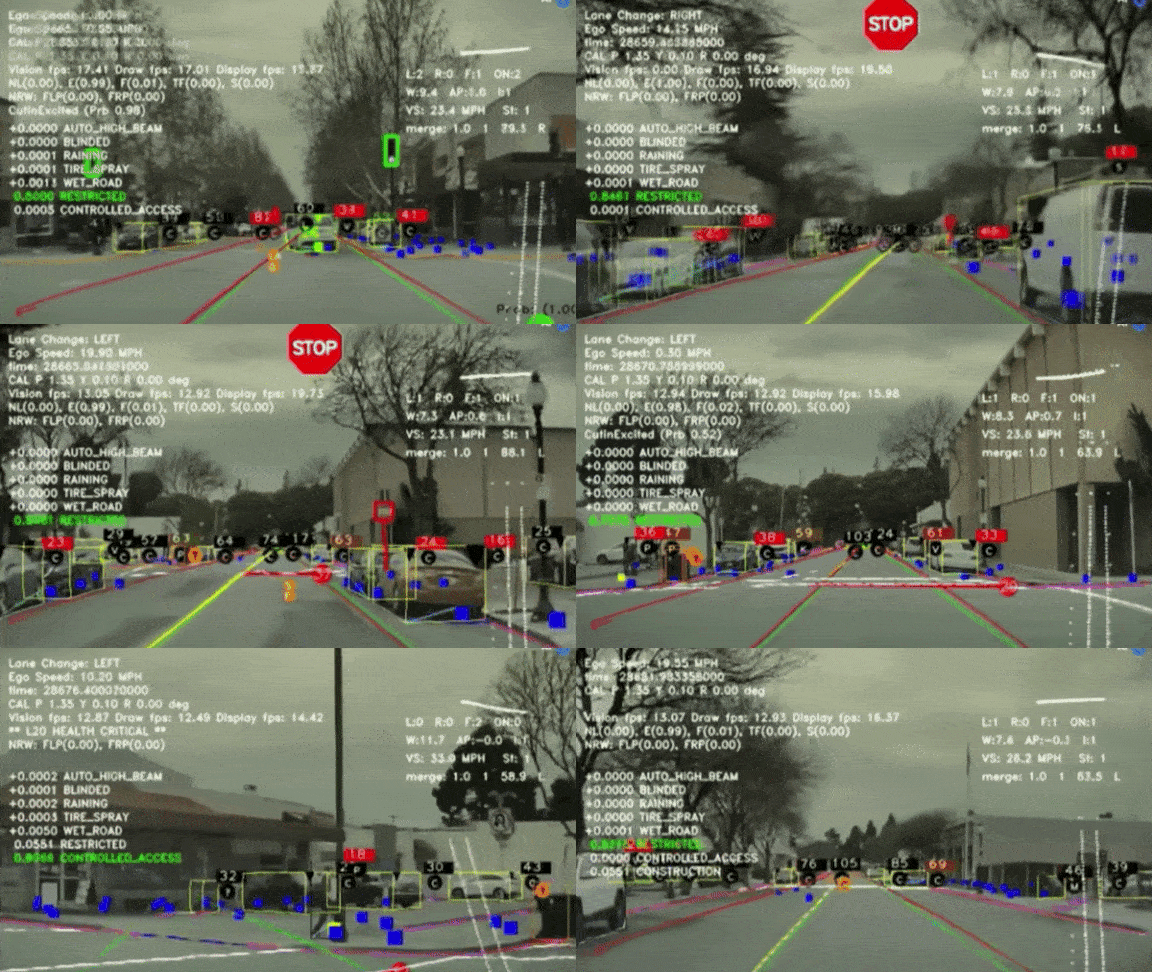
Recognizing stop signs, with their bold color scheme and distinctive shape, ought to be easy for computer vision — but it turns out to be a tricky problem. Tesla pulled back the curtain on what it takes to train its self-driving software to perform this task and others.

Robot vacuum cleaners are pretty good at navigating rooms, but they still get stuck in tight spaces. New work takes a step toward giving them the smarts they’ll need to escape the bathroom.

Deep learning promises to help emergency responders find their way through disaster zones. MIT researchers developed a tool that maps where hurricanes and other calamities have wiped out roads, helping to show aid workers the fastest ways to get to people in need.

It’s time to stop flushing valuable data down the toilet. The Precision Health Toilet, a suite of sensors that attach to an ordinary commode, monitors human waste for input for signs of disease. It identifies individual users by scanning where the sun doesn’t shine.

Given real-world constraints on memory and processing time, images are often downsampled before they’re fed into a neural network. But the process removes fine details, and that degrades accuracy. A new technique squeezes images with less compromise.
Stay updated with weekly AI News and Insights delivered to your inbox