UC Berkeley
Fighting Fakes: Six algorithms that help news sites spot deepfakes
A supergroup of machine learning models flags manipulated photos. Jigsaw, a tech incubator owned by Alphabet, released a system that detects digitally altered images.

A supergroup of machine learning models flags manipulated photos. Jigsaw, a tech incubator owned by Alphabet, released a system that detects digitally altered images.

A supergroup of machine learning models flags manipulated photos. Jigsaw, a tech incubator owned by Alphabet, released a system that detects digitally altered images.
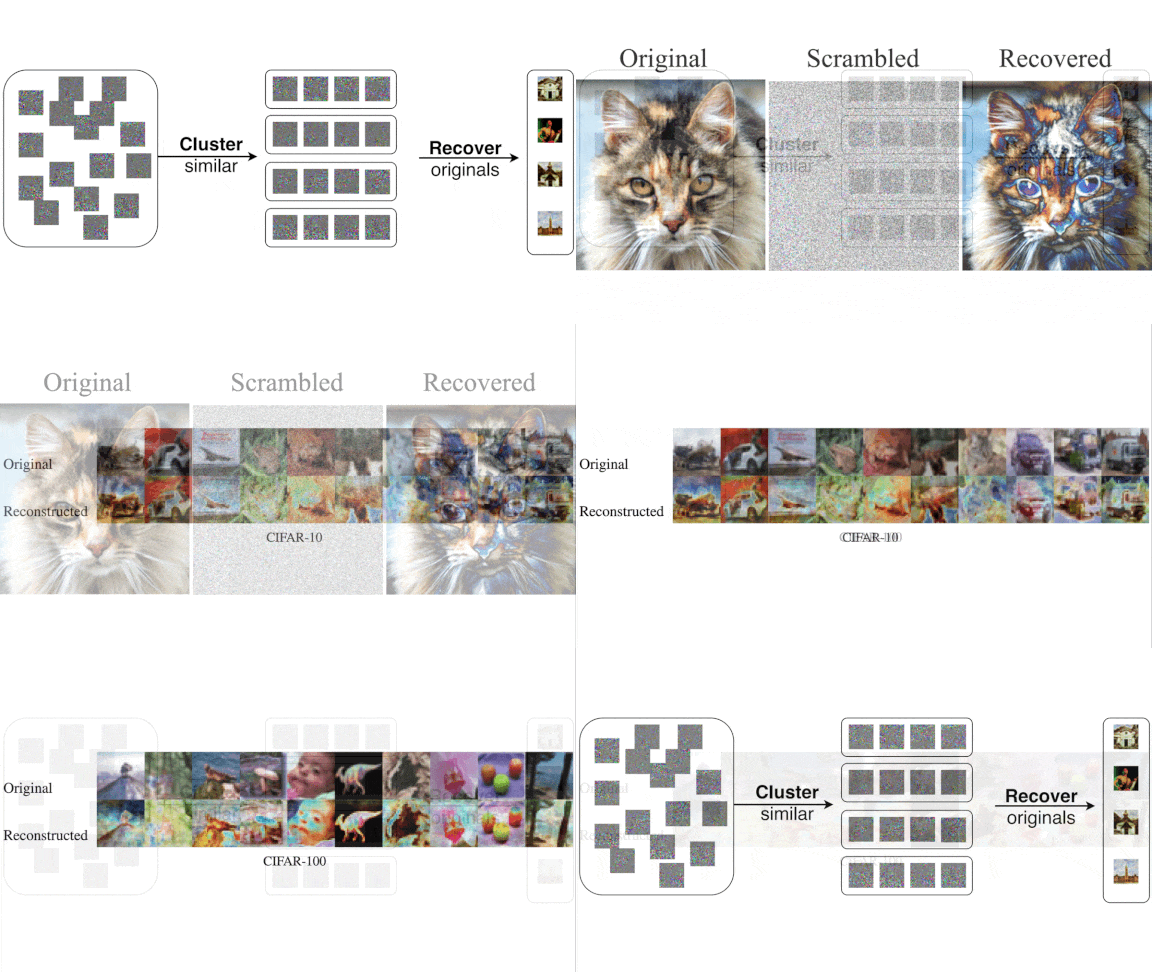
With access to a trained model, an attacker can use a reconstruction attack to approximate its training data. A method called InstaHide recently won acclaim for promising to make such examples unrecognizable to human eyes while retaining their utility for training.

With access to a trained model, an attacker can use a reconstruction attack to approximate its training data. A method called InstaHide recently won acclaim for promising to make such examples unrecognizable to human eyes while retaining their utility for training.
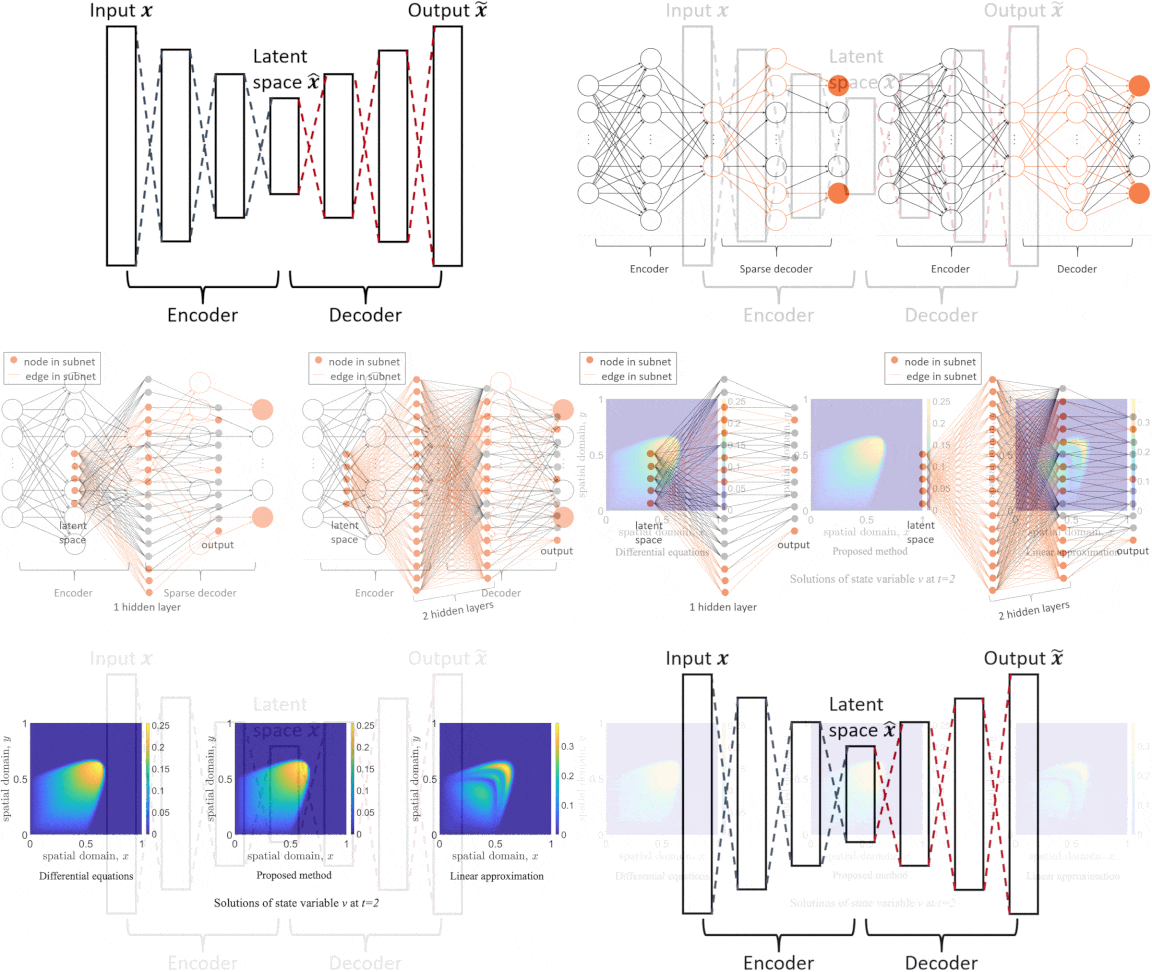
Computer simulations do a good job of modeling physical systems from traffic patterns to rocket engines, but they can take a long time to run. New work takes advantage of deep learning to speed them up.

Computer simulations do a good job of modeling physical systems from traffic patterns to rocket engines, but they can take a long time to run. New work takes advantage of deep learning to speed them up.
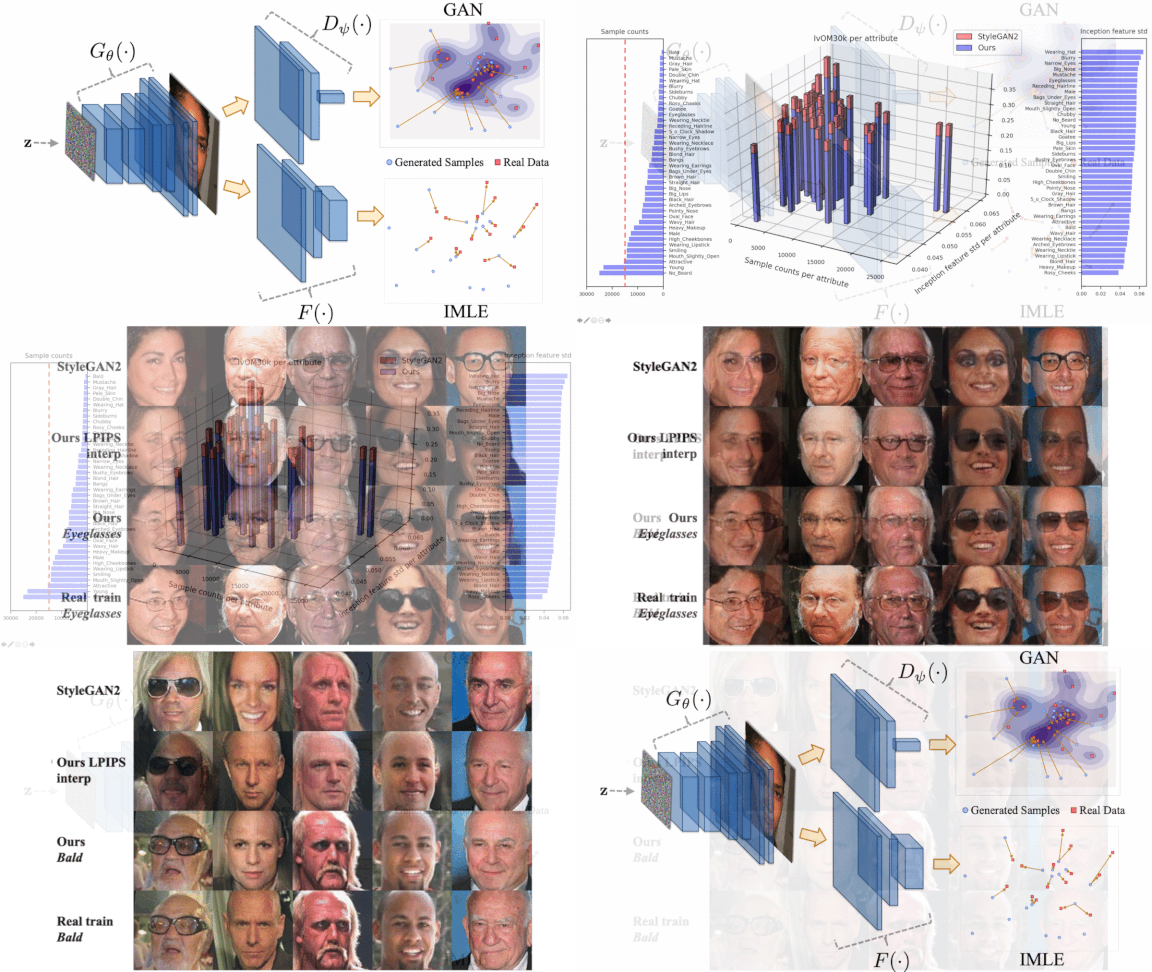
A typical GAN’s output doesn’t necessarily reflect the data distribution of its training set. Instead, GANs are prone to modeling the majority of the training distribution, sometimes ignoring rare attributes — say, faces that represent minority populations.
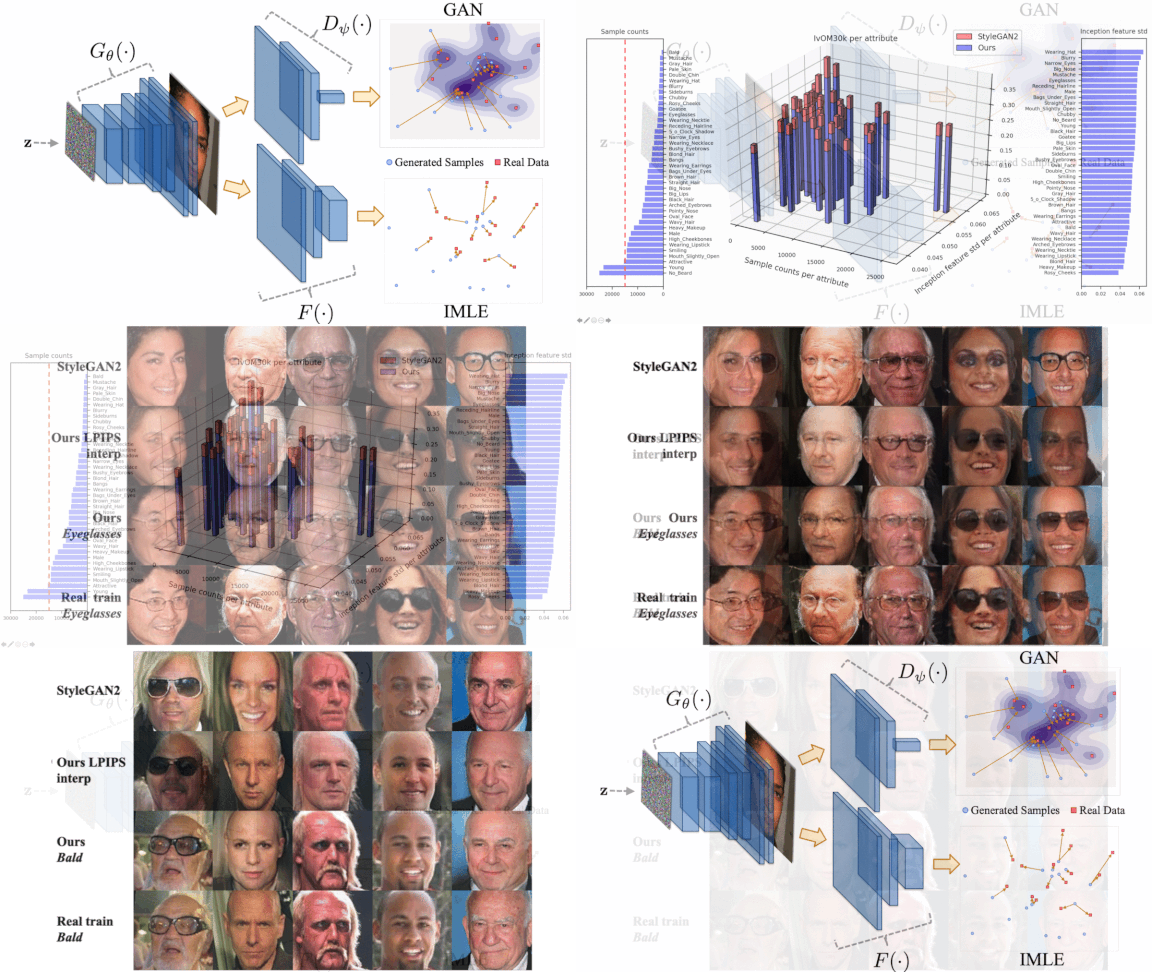
A typical GAN’s output doesn’t necessarily reflect the data distribution of its training set. Instead, GANs are prone to modeling the majority of the training distribution, sometimes ignoring rare attributes — say, faces that represent minority populations.

People who take driving lessons during daytime don’t need instruction in driving at night. They recognize that the difference doesn’t disturb their knowledge of how to drive. Similarly, a new reinforcement learning method manages superficial variations in the environment without re-training.
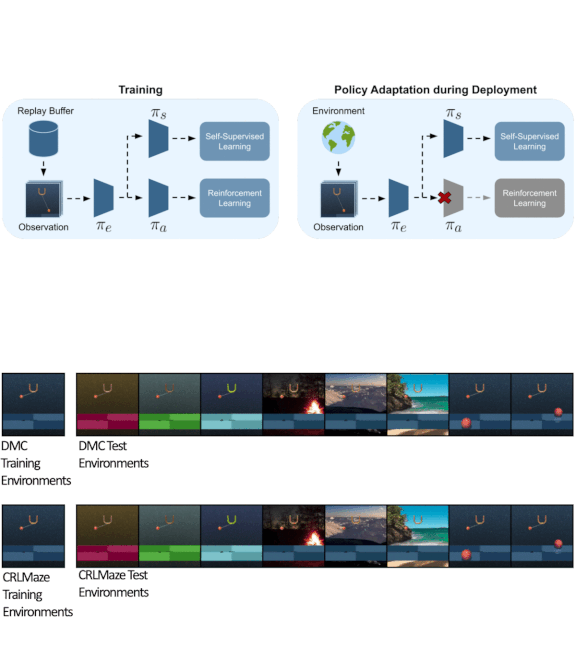
People who take driving lessons during daytime don’t need instruction in driving at night. They recognize that the difference doesn’t disturb their knowledge of how to drive. Similarly, a new reinforcement learning method manages superficial variations in the environment without re-training.
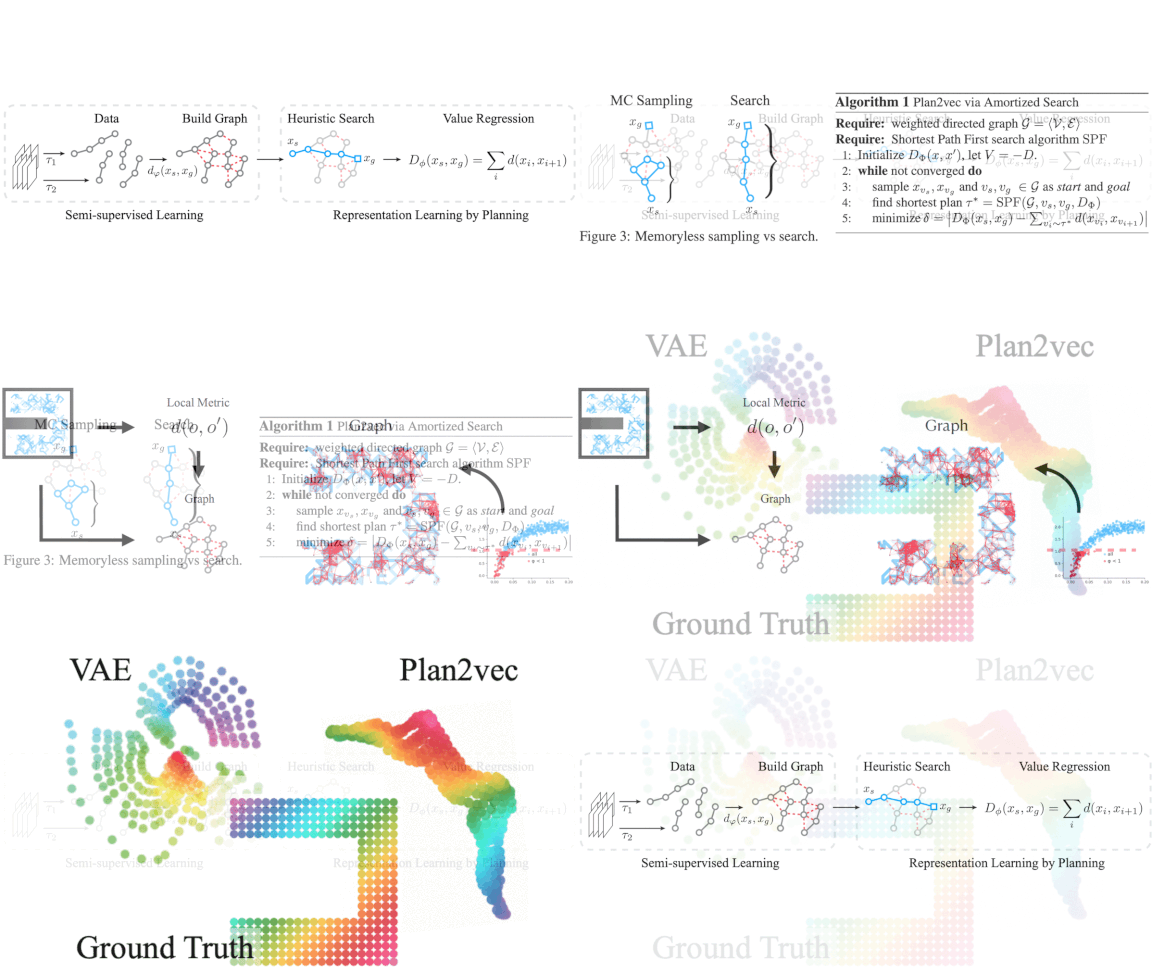
Reinforcement learning can beat humans at video games, but humans are better at coming up with strategies to master more complex tasks. New work enables neural networks to connect the dots.

Reinforcement learning can beat humans at video games, but humans are better at coming up with strategies to master more complex tasks. New work enables neural networks to connect the dots.
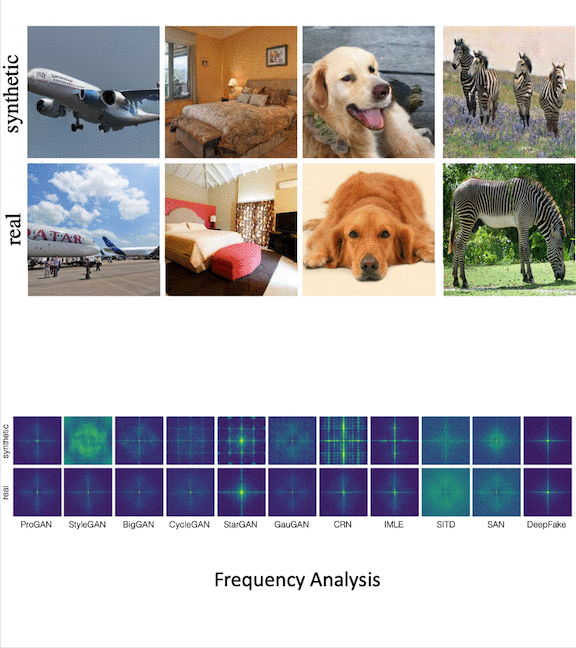
AI’s ability to produce synthetic pictures that fool humans into believing they’re real has spurred a race to build neural networks that can tell the difference. Recent research achieved encouraging results.

AI’s ability to produce synthetic pictures that fool humans into believing they’re real has spurred a race to build neural networks that can tell the difference. Recent research achieved encouraging results.
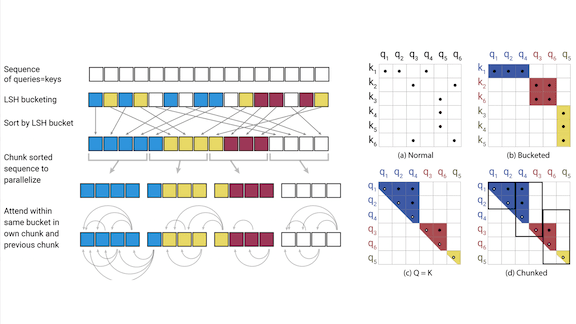
Transformer networks have revolutionized natural language processing, but they hog processor cycles and memory. New research demonstrates a more frugal variation.
Stay updated with weekly AI News and Insights delivered to your inbox