Richard Socher — Boiling the Information Ocean: Using AI summarization to help with information overload
Ignorance is a choice in the Internet age. Virtually all of human knowledge is available for the cost of typing a few words into a search box.


Ignorance is a choice in the Internet age. Virtually all of human knowledge is available for the cost of typing a few words into a search box.
Earlier language models powered by Word2Vec and GloVe embeddings yielded confused chatbots, grammar tools with middle-school reading comprehension, and not-half-bad translations. The latest generation is so good, some people consider it dangerous.

Earlier language models powered by Word2Vec and GloVe embeddings yielded confused chatbots, grammar tools with middle-school reading comprehension, and not-half-bad translations. The latest generation is so good, some people consider it dangerous.

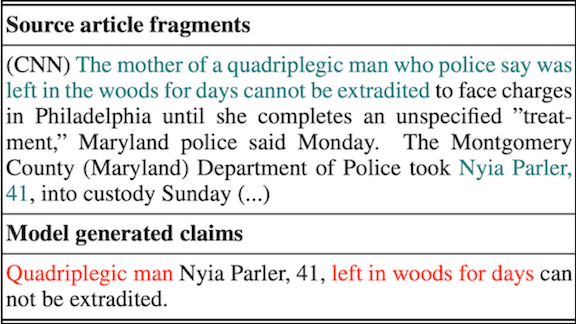
Automatically generated text summaries are becoming common in search engines and news websites. But existing summarizers often mix up facts. For instance, a victim’s name might get switched for the perpetrator’s.

Automatically generated text summaries are becoming common in search engines and news websites. But existing summarizers often mix up facts. For instance, a victim’s name might get switched for the perpetrator’s.

Models that summarize documents and answer questions work pretty well with limited source material, but they can slip into incoherence when they draw from a sizeable corpus. Recent work addresses this problem.

Models that summarize documents and answer questions work pretty well with limited source material, but they can slip into incoherence when they draw from a sizeable corpus. Recent work addresses this problem.

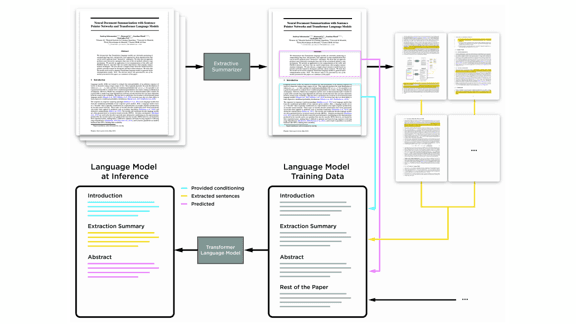
Summarizing a document using original words is a longstanding problem for natural language processing. Researchers recently took a step toward human-level performance in this task, known as abstractive summarization, as opposed to extractive summarization.

Summarizing a document using original words is a longstanding problem for natural language processing. Researchers recently took a step toward human-level performance in this task, known as abstractive summarization, as opposed to extractive summarization.

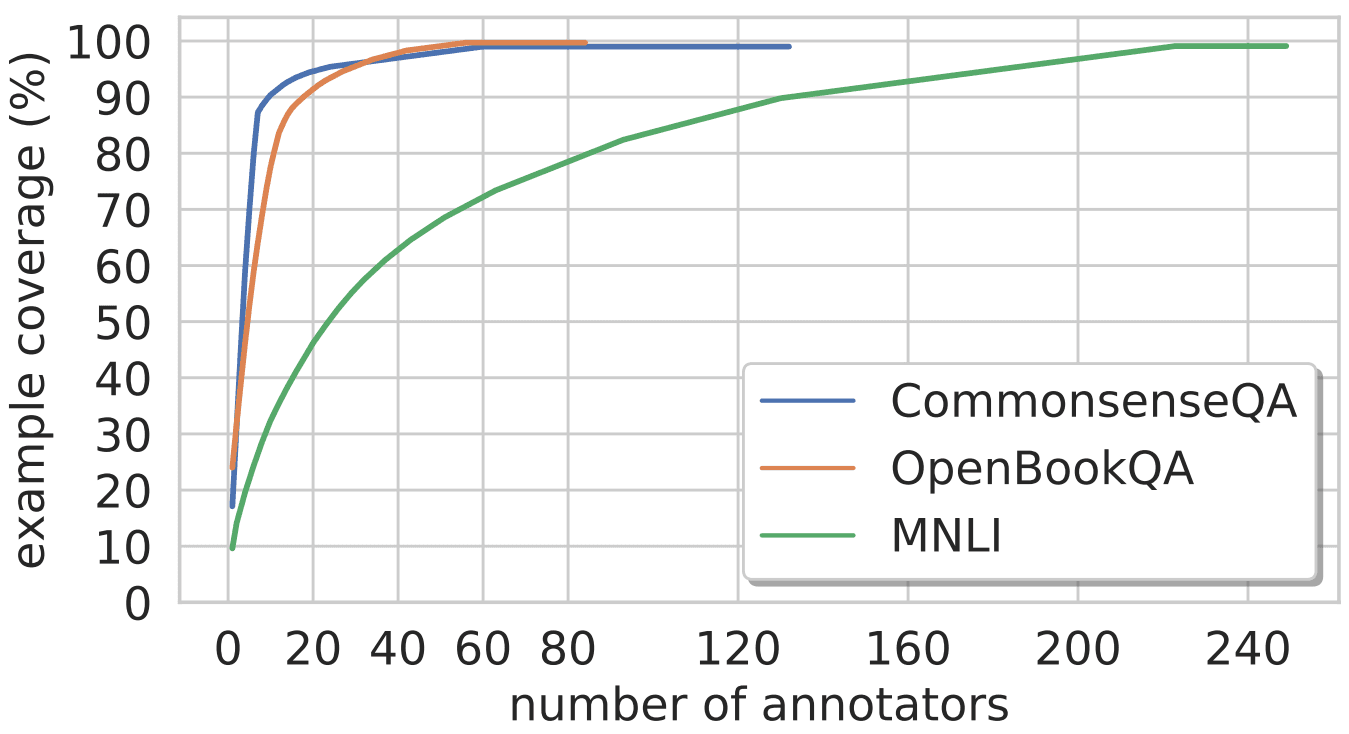
The latest language models are great at answering questions about a given text passage. However, these models are also powerful enough to recognize an individual writer’s style, which can clue them in to the right answers. New research measures such annotator bias in several data sets.

The latest language models are great at answering questions about a given text passage. However, these models are also powerful enough to recognize an individual writer’s style, which can clue them in to the right answers. New research measures such annotator bias in several data sets.

Watson set a high bar for language understanding in 2011, when it famously whipped human competitors in the televised trivia game show Jeopardy! IBM’s special-purpose AI required around $1 billion. Research suggests that today’s best language models can accomplish similar tasks right off the shelf.

Watson set a high bar for language understanding in 2011, when it famously whipped human competitors in the televised trivia game show Jeopardy! IBM’s special-purpose AI required around $1 billion. Research suggests that today’s best language models can accomplish similar tasks right off the shelf.

A growing number of companies that sell standardized tests are using natural language processing to assess writing skills. Critics contend that these language models don’t make the grade.

A growing number of companies that sell standardized tests are using natural language processing to assess writing skills. Critics contend that these language models don’t make the grade.
Stay updated with weekly AI News and Insights delivered to your inbox