Structured Data
Data — From Patient to Health Record: AI automatically fills out electronic health records.
Doctors are overwhelmed by clerical work. Healthcare-savvy voice assistants are picking up the slack.

Doctors are overwhelmed by clerical work. Healthcare-savvy voice assistants are picking up the slack.

The wearable revolution is helping doctors figure out what’s troubling your ticker — thanks to deep learning. The problem: Arrhythmias, a range of conditions in which the heart beats too fast, too slow, or erratically, can cause heart attack or stroke.
The wearable revolution is helping doctors figure out what’s troubling your ticker — thanks to deep learning. The problem: Arrhythmias, a range of conditions in which the heart beats too fast, too slow, or erratically, can cause heart attack or stroke.
Eric Topol is one of the world’s leading advocates for AI in medicine. Below he shares his insights into the fusion of AI and medicine and advice for machine learning engineers who want to get involved.

An AI-driven alarm system helps rescue patients before infections become fatal. The problem: Machine learning can spot patterns in electronic health data indicating where a patient’s condition is headed that may be too subtle for doctors and nurses to catch.

Eric Topol is one of the world’s leading advocates for AI in medicine. Below he shares his insights into the fusion of AI and medicine and advice for machine learning engineers who want to get involved.
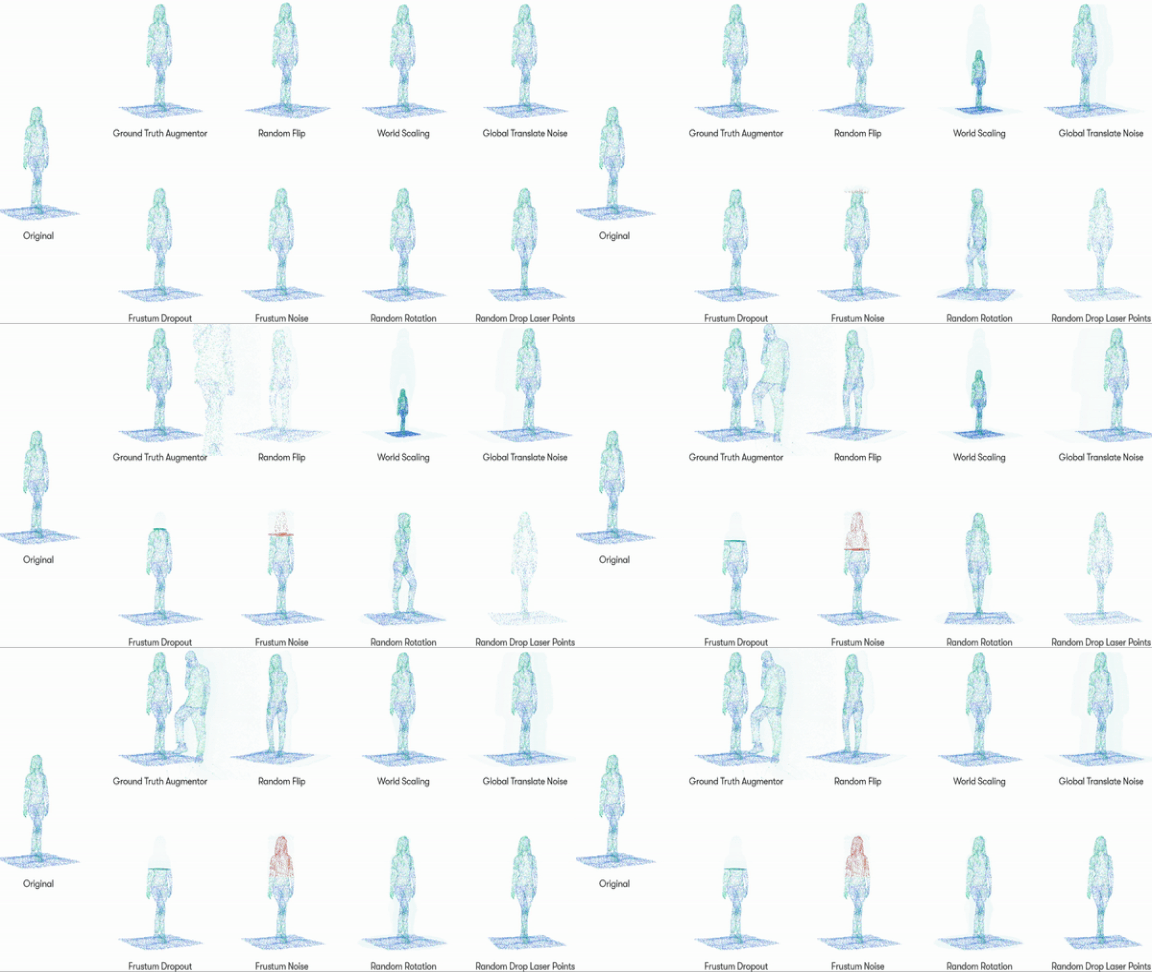
An unconventional approach to modifying data is cutting the amount of work required to train self-driving cars. Waymo unveiled a machine learning pipeline that varies lidar scans representing pedestrians and other objects.
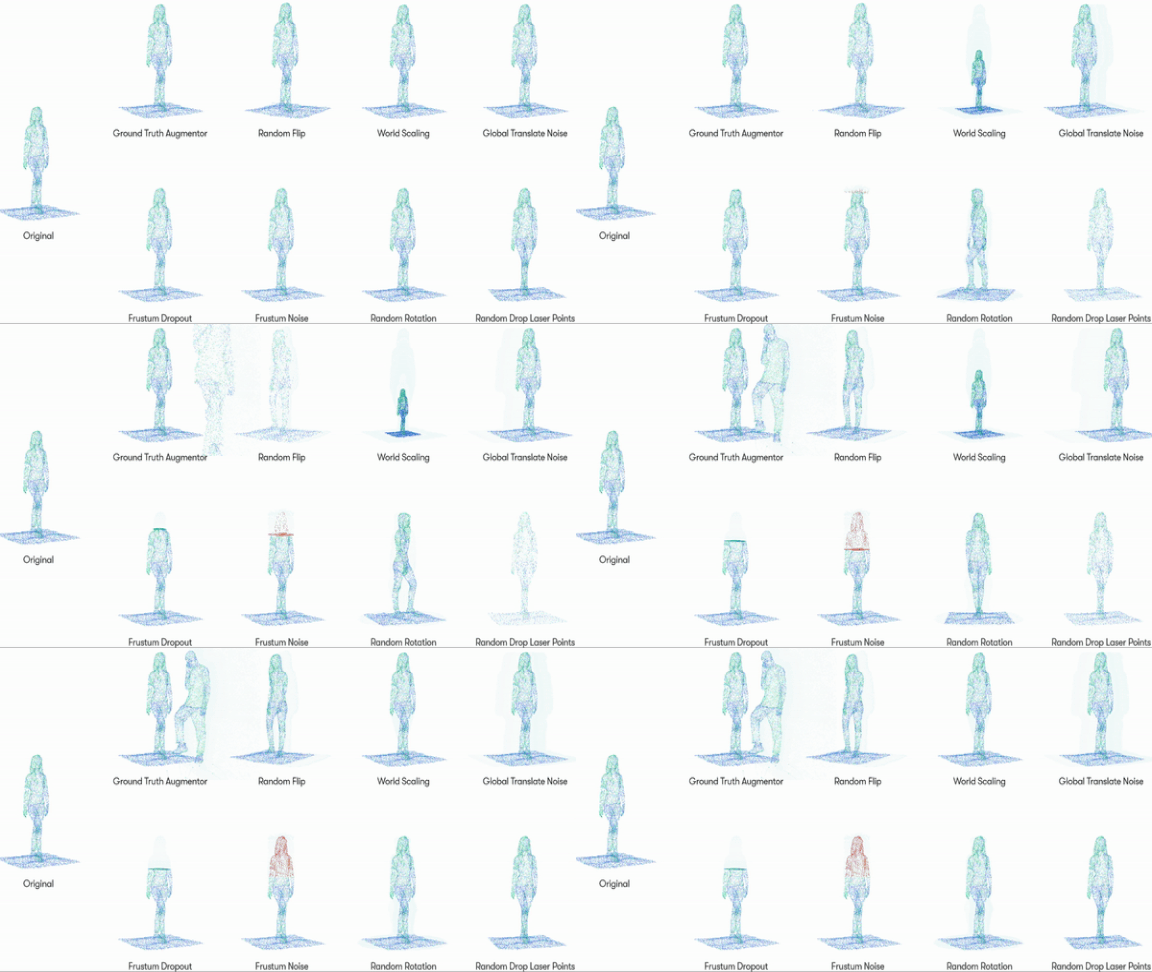
An unconventional approach to modifying data is cutting the amount of work required to train self-driving cars. Waymo unveiled a machine learning pipeline that varies lidar scans representing pedestrians and other objects.
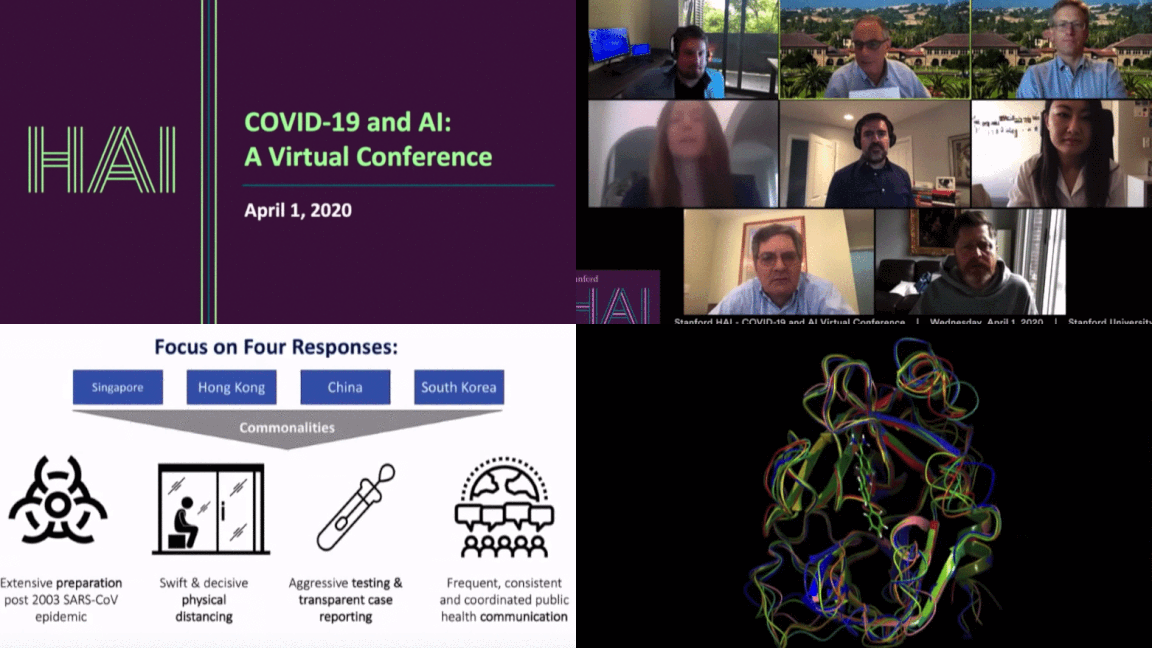
AI experts convened to discuss how to combat the coronavirus crisis. An online conference hosted by Stanford University’s Institute for Human-Centered AI explored how machine learning is being deployed to address this pandemic — and prepare for the next one.

AI experts convened to discuss how to combat the coronavirus crisis. An online conference hosted by Stanford University’s Institute for Human-Centered AI explored how machine learning is being deployed to address this pandemic — and prepare for the next one.

Neural networks revealed both how hard Covid-19 has hit the Chinese economy, and hopeful signs that a renaissance may be underway. Researchers analyzed satellite imagery, GPS signals, and social media to get a multifaceted view of the pandemic’s impact.

Neural networks revealed both how hard Covid-19 has hit the Chinese economy, and hopeful signs that a renaissance may be underway. Researchers analyzed satellite imagery, GPS signals, and social media to get a multifaceted view of the pandemic’s impact.

Machine learning thrives on data, but information about the novel coronavirus and the illness it produces has been either thin or hard to access. Now researchers are pooling resources to share everything we do know.

Machine learning thrives on data, but information about the novel coronavirus and the illness it produces has been either thin or hard to access. Now researchers are pooling resources to share everything we do know.

A digital attorney is helping consumers take telemarketers and phone scammers to court. DoNotPay makes an app billed as the world’s first robot lawyer. Its latest offering, Robo Revenge, automates the process of suing intrusive robocallers.
Stay updated with weekly AI News and Insights delivered to your inbox