
State of AI
World Powers Move to Lighten AI Regulation: Global AI summit reveals deep divisions on regulation and governance
The latest international AI summit exposed deep divisions between major world powers regarding AI regulations.

The latest international AI summit exposed deep divisions between major world powers regarding AI regulations.

The latest international AI summit exposed deep divisions between major world powers regarding AI regulations.

Under a new president, the United States reversed its approach to AI regulation, seeking global dominance by reducing restrictions.

Under a new president, the United States reversed its approach to AI regulation, seeking global dominance by reducing restrictions.
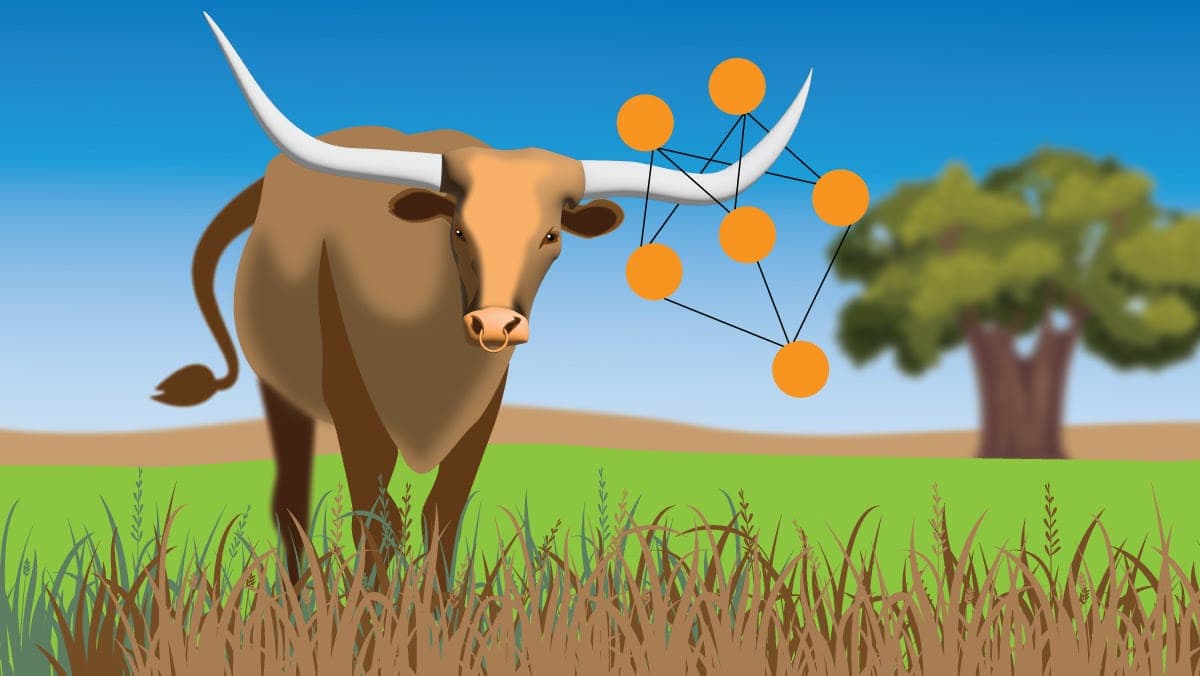
Lawmakers in the U.S. state of Texas are considering stringent AI regulation.

Lawmakers in the U.S. state of Texas are considering stringent AI regulation.
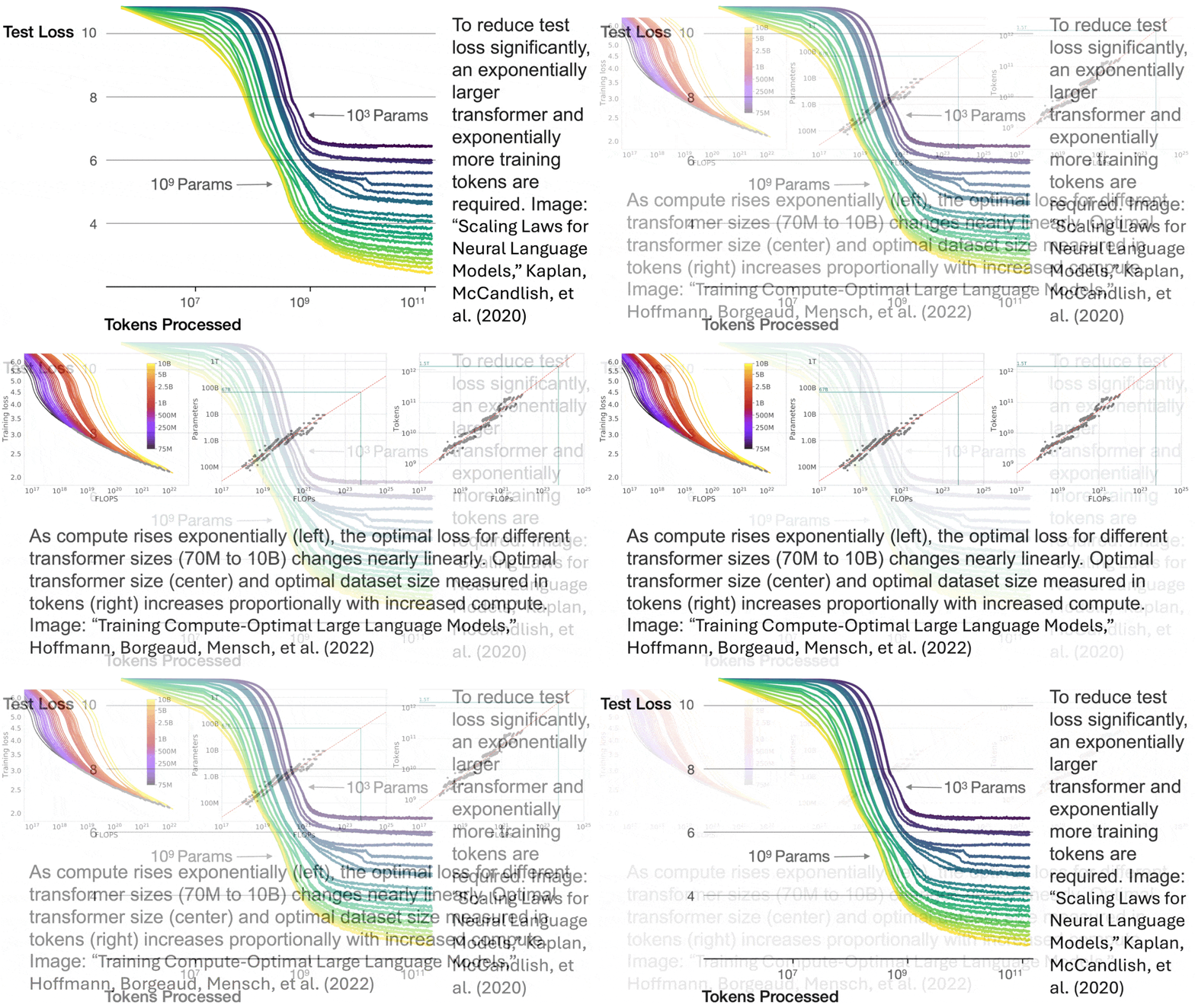
Builders of large AI models have relied on the idea that bigger neural networks trained on more data and given more processing power would show steady improvements. Recent developments are challenging that idea.

Builders of large AI models have relied on the idea that bigger neural networks trained on more data and given more processing power would show steady improvements. Recent developments are challenging that idea.

More expensive models, superhuman performance, growing impacts on society — an extensive report takes stock of developments in machine learning over the past year.

More expensive models, superhuman performance, growing impacts on society — an extensive report takes stock of developments in machine learning over the past year.

Generative AI could add between $2.6 trillion and $4.4 trillion to the global economy annually (roughly 2 percent to 4 percent of the world’s combined gross domestic product this year), according to a new report.
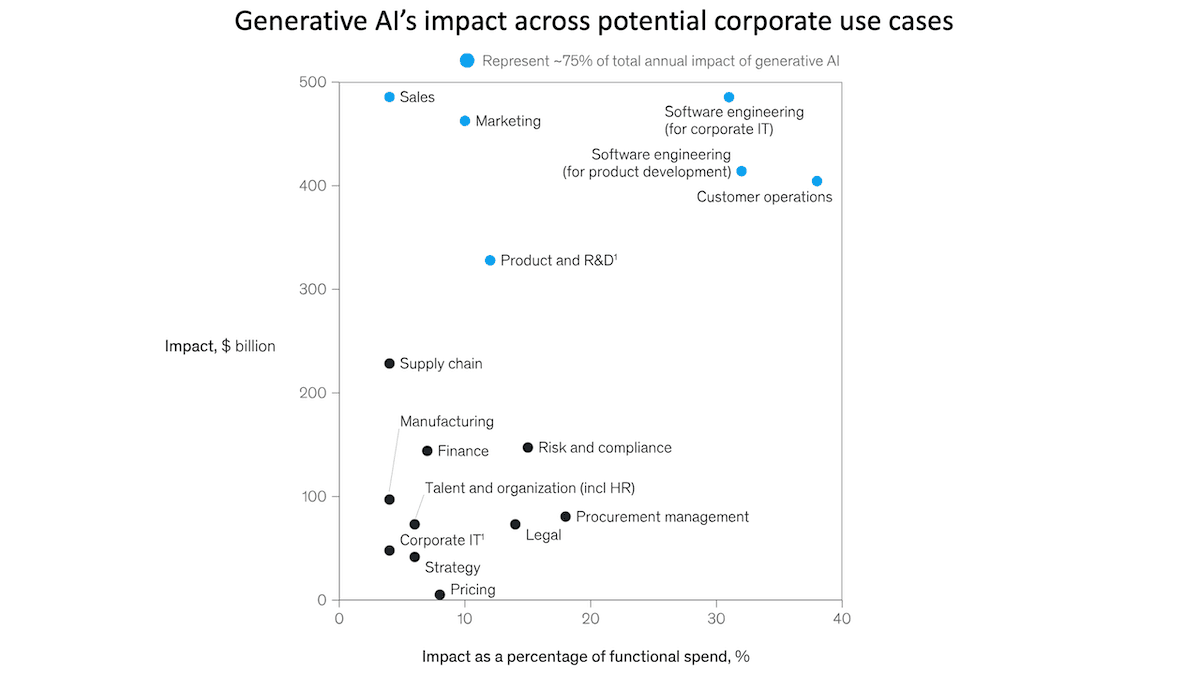
Generative AI could add between $2.6 trillion and $4.4 trillion to the global economy annually (roughly 2 percent to 4 percent of the world’s combined gross domestic product this year), according to a new report.

Stanford’s sixth annual AI Index takes stock of a rapidly growing field. The sprawling, 386-page report from the Institute for Human-Centered AI presents the past year’s developments in AI based on a wide variety of sources including benchmarks, papers, market research, job listings, and polls.

Stanford’s sixth annual AI Index takes stock of a rapidly growing field. The sprawling, 386-page report from the Institute for Human-Centered AI presents the past year’s developments in AI based on a wide variety of sources including benchmarks, papers, market research, job listings, and polls.
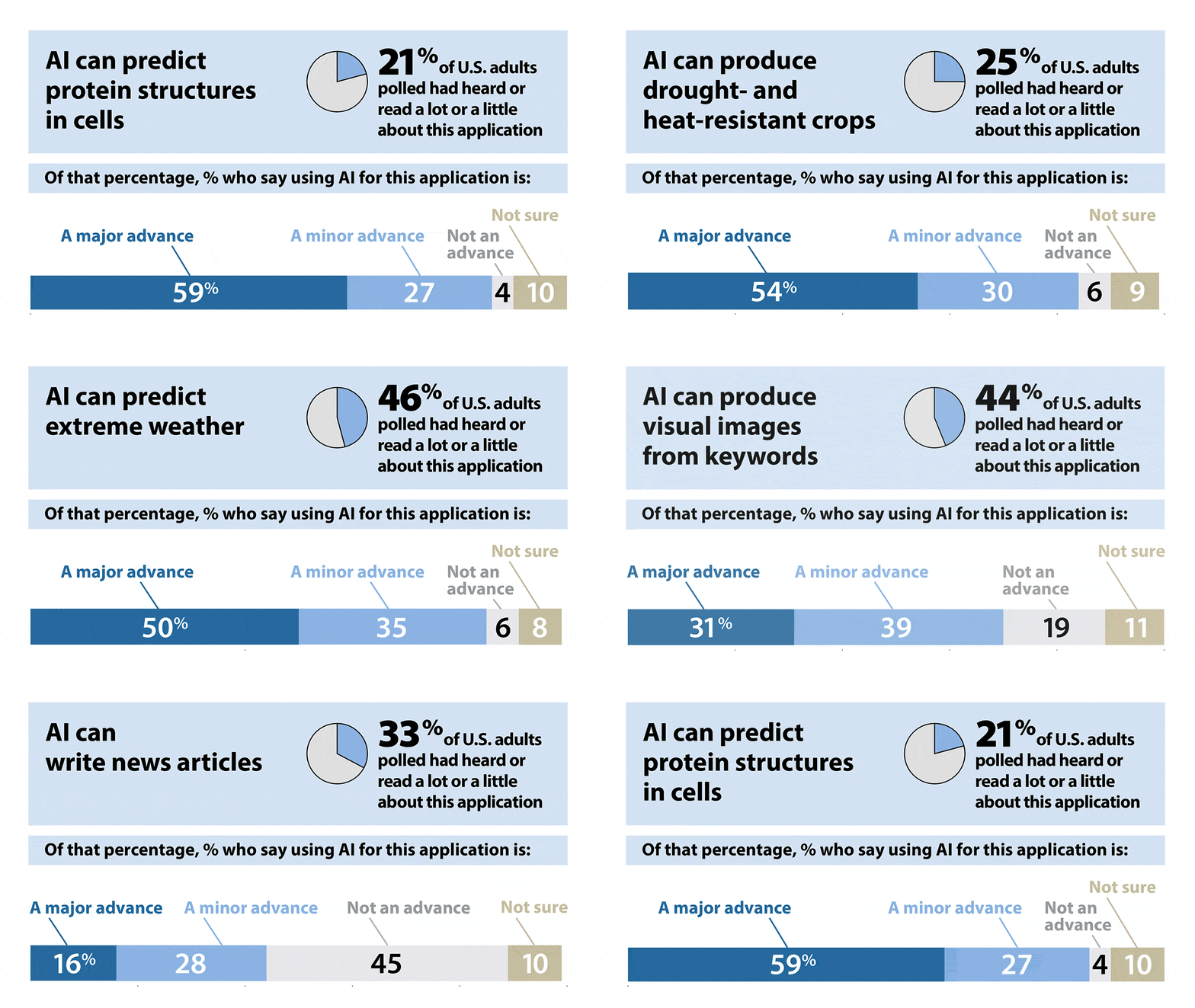
Adults in the United States tend to view AI’s medical applications favorably but are leery of text and image generation. Pew Research Center polled 11,004 U.S. adults for their opinions of AI in science, healthcare, and media.
Stay updated with weekly AI News and Insights delivered to your inbox