Prelude to a Quake?
Geologists call them slow slips: deep, low-frequency earthquakes that can last a month but have little effect on the surface. A model trained to predict such events could help with forecasting potentially catastrophic quakes.
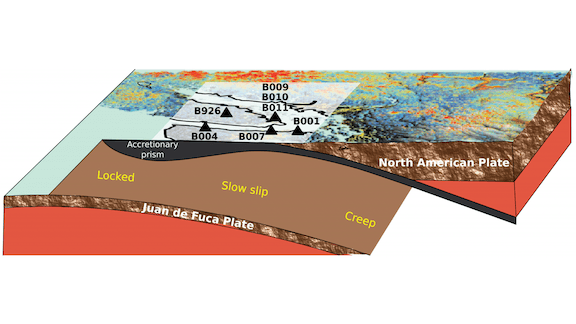
Geologists call them slow slips: deep, low-frequency earthquakes that can last a month but have little effect on the surface. A model trained to predict such events could help with forecasting potentially catastrophic quakes.
Geologists call them slow slips: deep, low-frequency earthquakes that can last a month but have little effect on the surface. A model trained to predict such events could help with forecasting potentially catastrophic quakes.

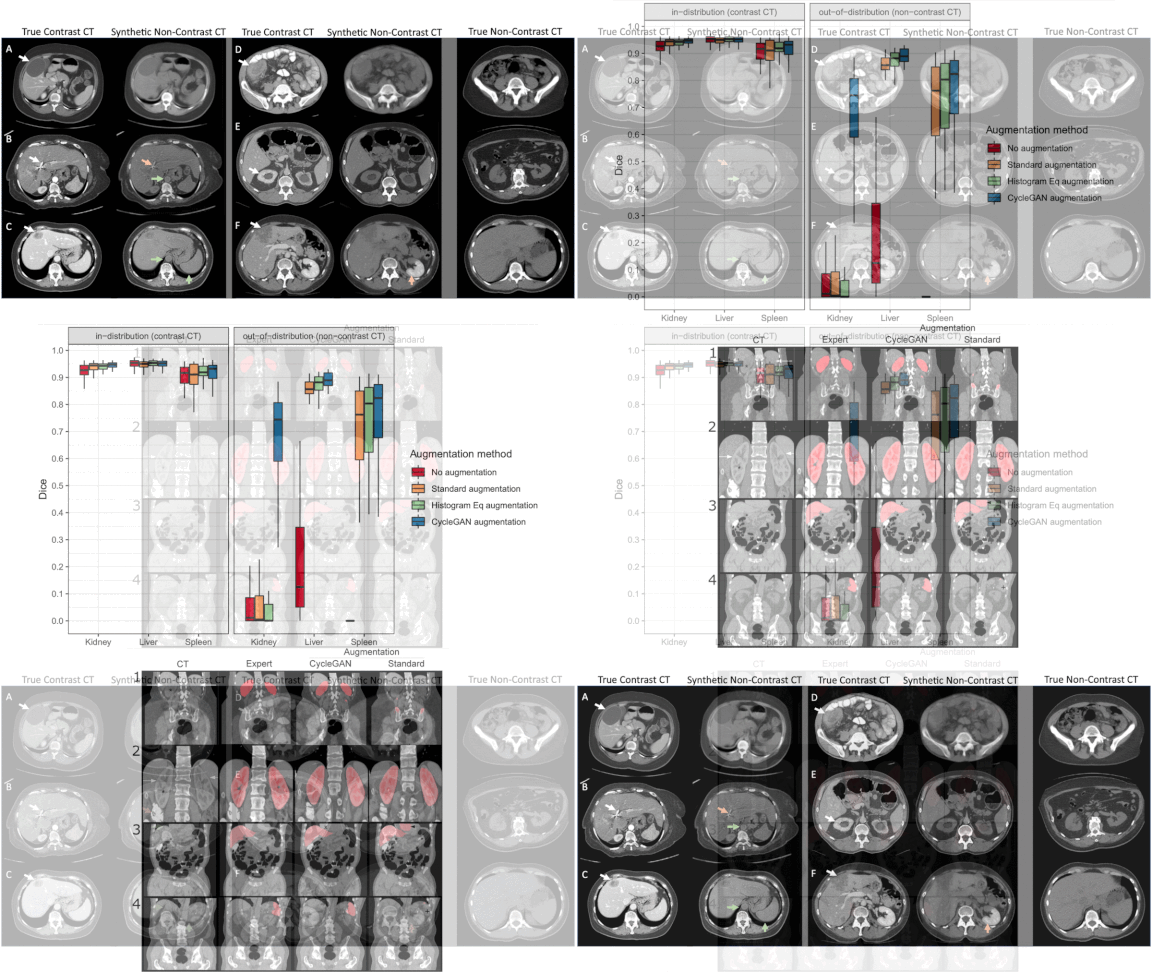
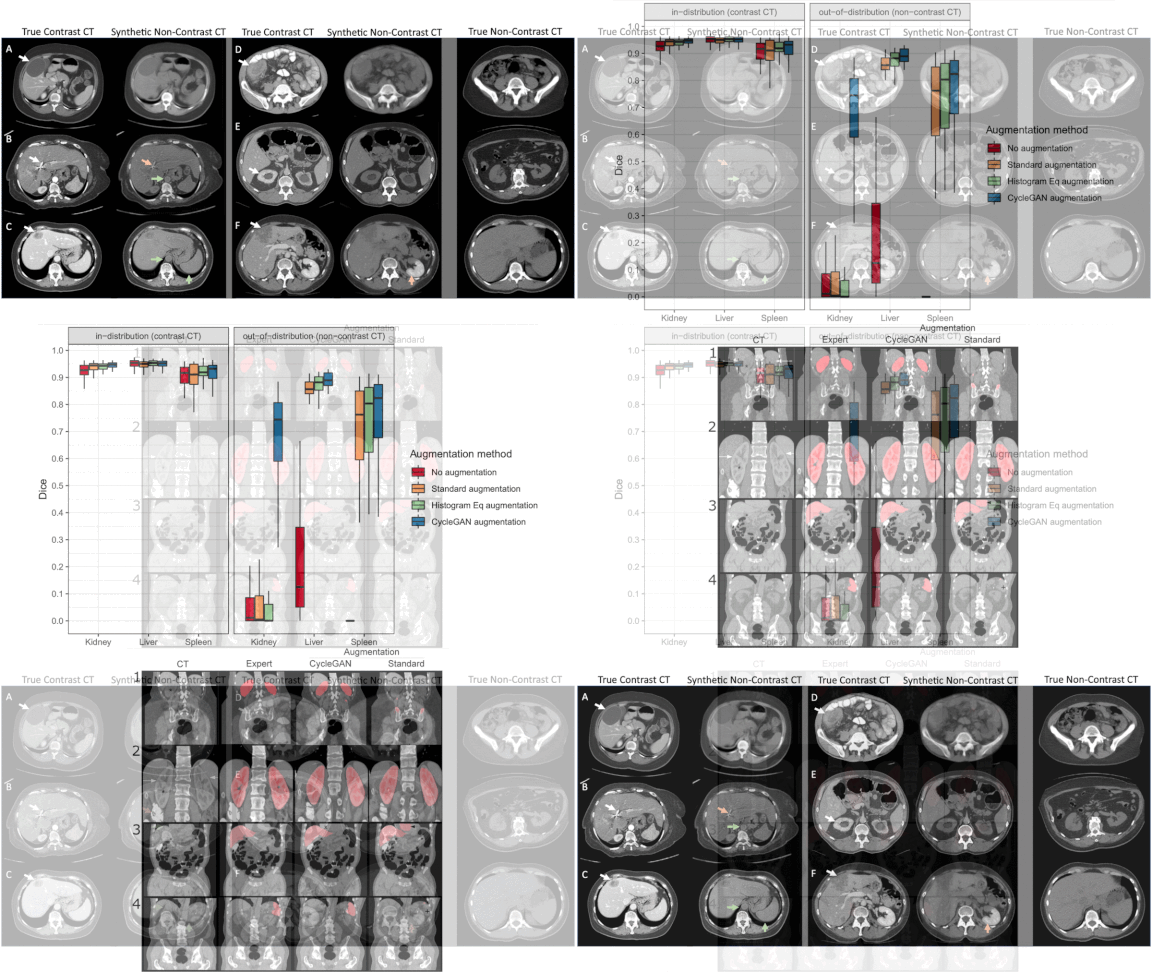
Convolutional neural networks are good at recognizing disease symptoms in medical scans of patients who were injected with iodine-based dye, that makes their organs more visible. But some patients can’t take the dye. Now synthetic scans from a GAN are helping CNNs learn to analyze undyed images.

Convolutional neural networks are good at recognizing disease symptoms in medical scans of patients who were injected with iodine-based dye, that makes their organs more visible. But some patients can’t take the dye. Now synthetic scans from a GAN are helping CNNs learn to analyze undyed images.

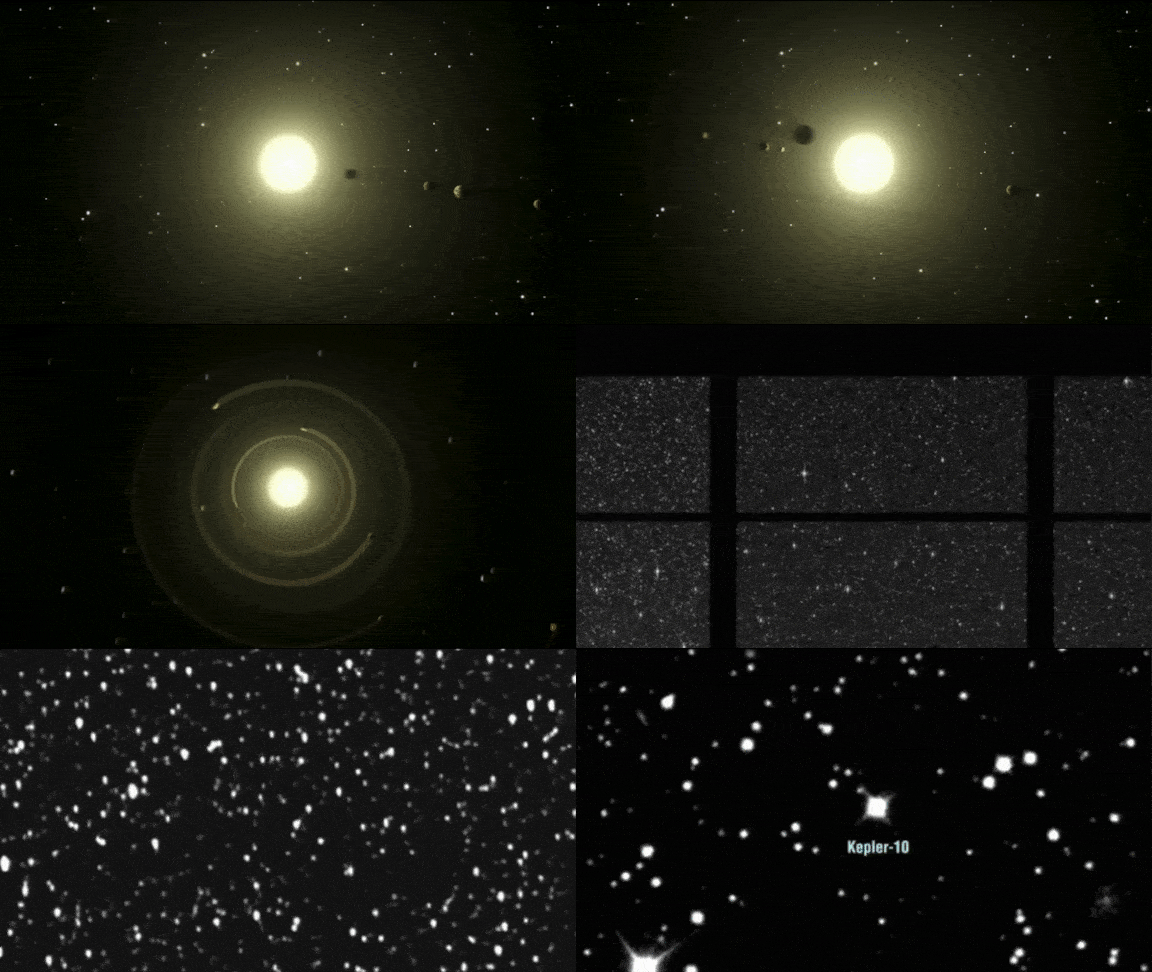
A machine learning model is scouring the cosmos for undiscovered planets. Astronomers from the University of Warwick developed a system that learned to identify faraway worlds in a dataset of thousands of candidates.

A machine learning model is scouring the cosmos for undiscovered planets. Astronomers from the University of Warwick developed a system that learned to identify faraway worlds in a dataset of thousands of candidates.

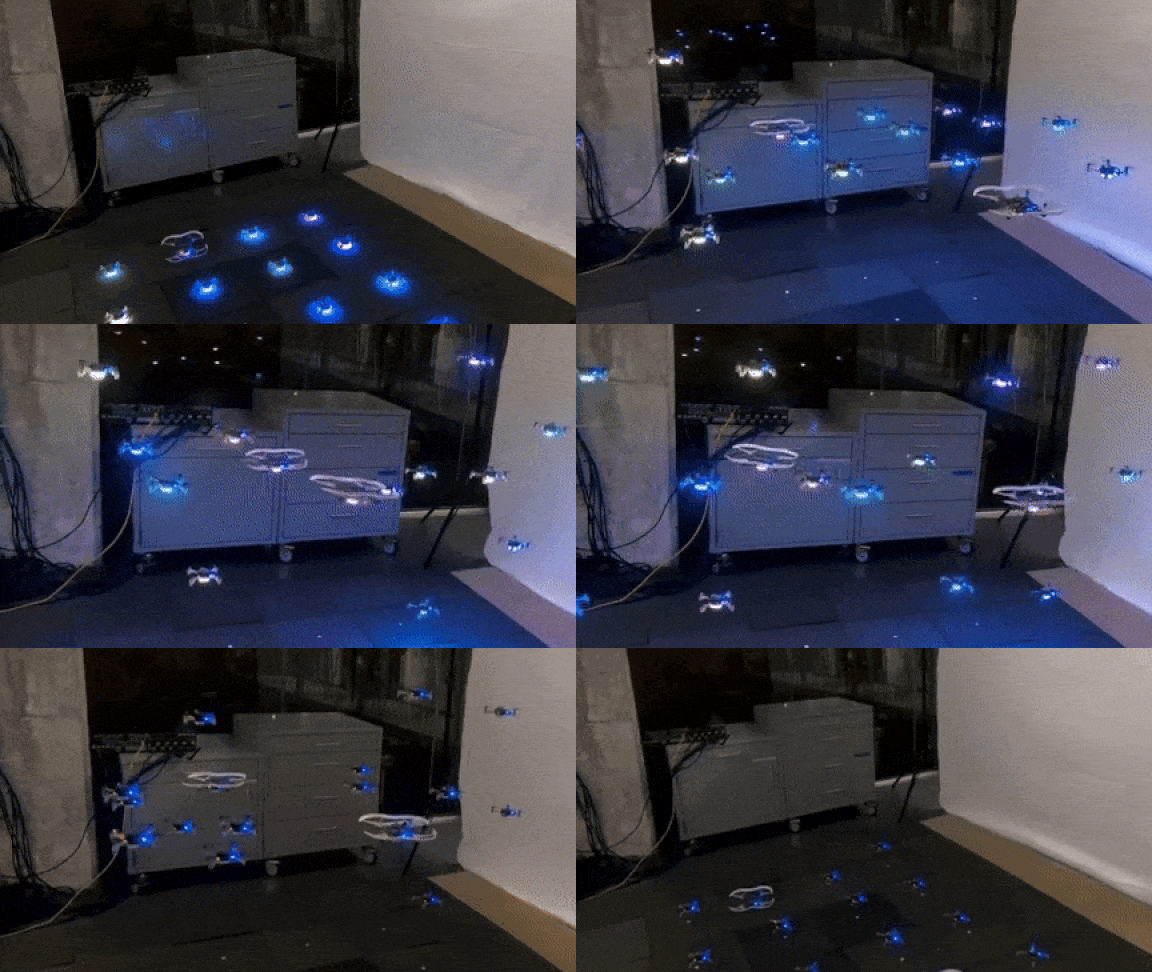
Deep learning is coordinating drones so they can flock together without colliding. Caltech researchers Soon-Jo Chung and Yisong Yue developed a pair of models that enables swarms of networked drones to navigate autonomously through cluttered environments.

Deep learning is coordinating drones so they can flock together without colliding. Caltech researchers Soon-Jo Chung and Yisong Yue developed a pair of models that enables swarms of networked drones to navigate autonomously through cluttered environments.

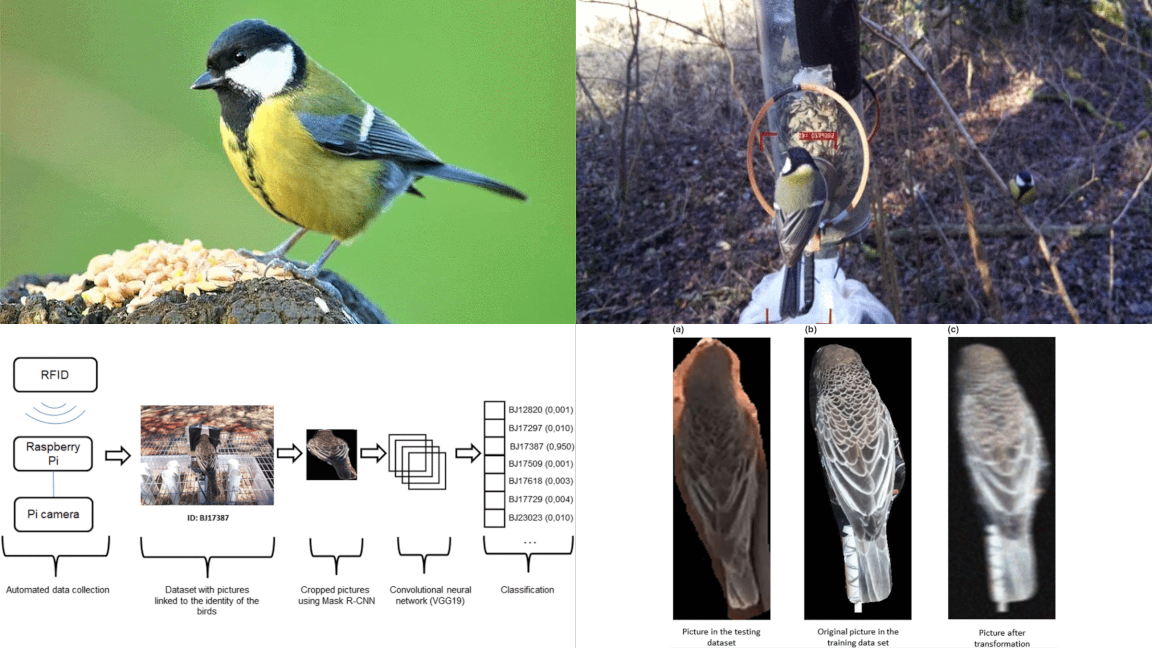
Neural networks learned to tell one bird from another, enabling scientists to study their behavior in greater detail. Researchers from universities in Europe and Africa trained eural networks to recognize individual birds with up to 90 percent accuracy.

Neural networks learned to tell one bird from another, enabling scientists to study their behavior in greater detail. Researchers from universities in Europe and Africa trained eural networks to recognize individual birds with up to 90 percent accuracy.

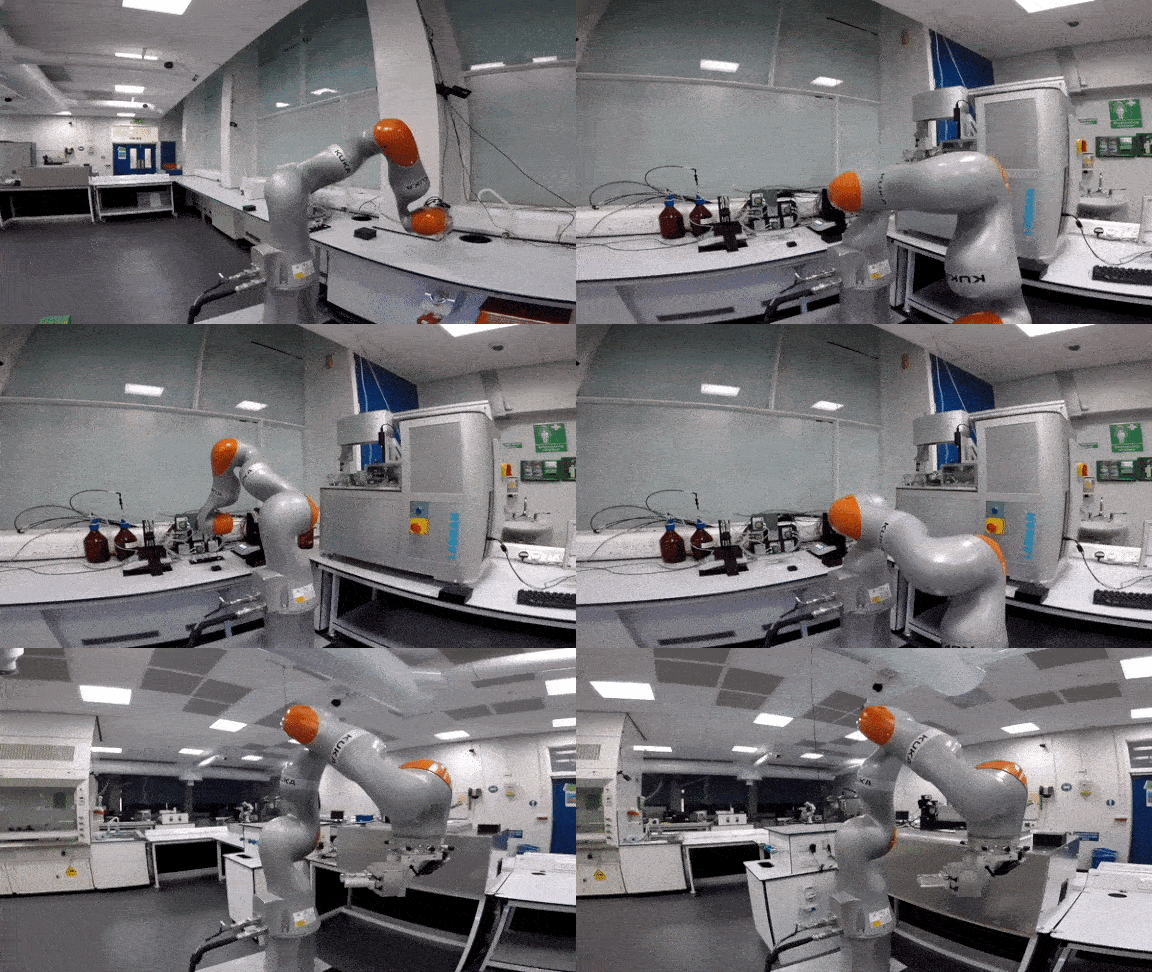
A mechanical lab assistant could accelerate chemistry research.What’s new: Researchers at the University of Liverpool trained a mobile robot arm to navigate a lab, operate equipment, handle samples, and obtain results far faster than a human scientist.

A mechanical lab assistant could accelerate chemistry research.What’s new: Researchers at the University of Liverpool trained a mobile robot arm to navigate a lab, operate equipment, handle samples, and obtain results far faster than a human scientist.

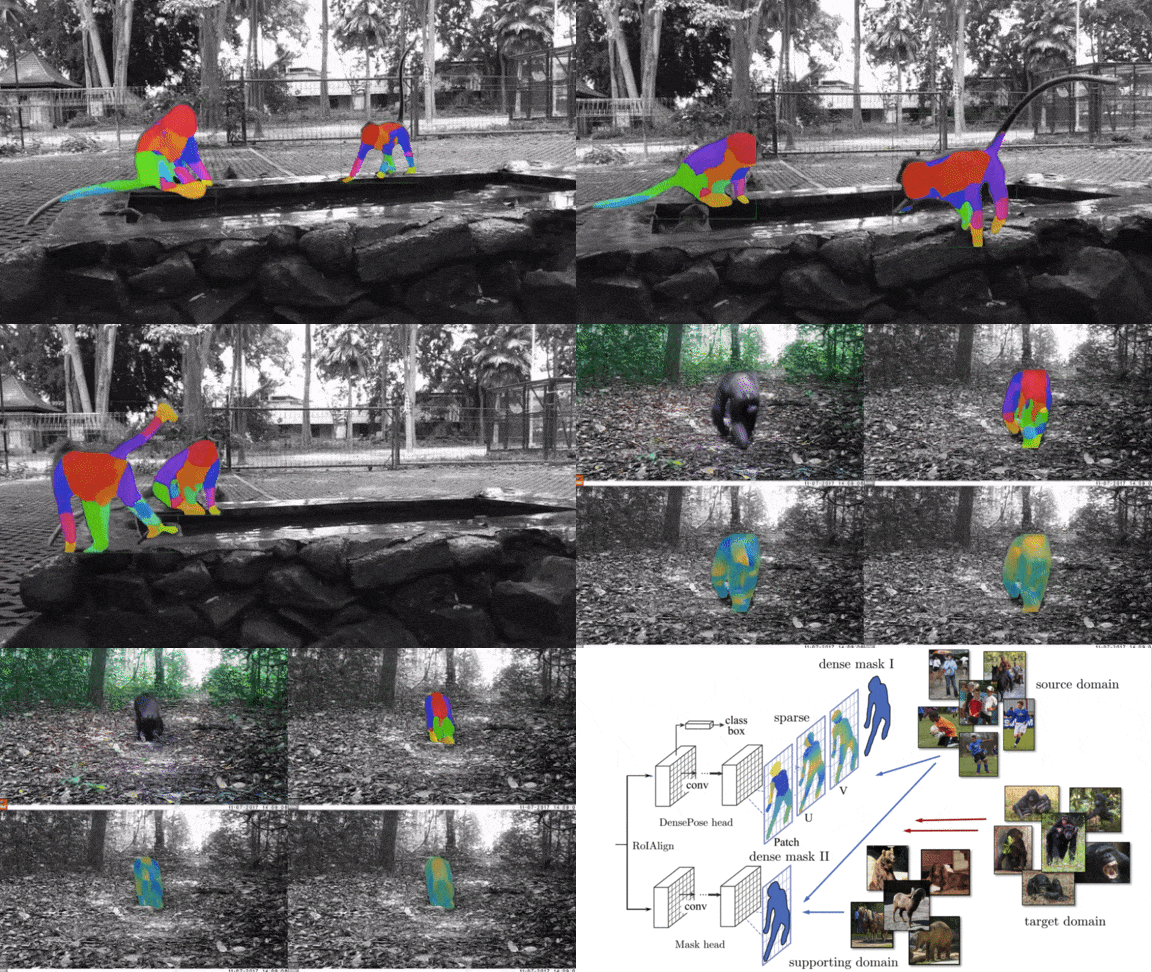
Scientists who study animal behavior spend endless hours observing and taking notes about a creature’s actions and reactions. Computer vision could automate much of that work.

Scientists who study animal behavior spend endless hours observing and taking notes about a creature’s actions and reactions. Computer vision could automate much of that work.

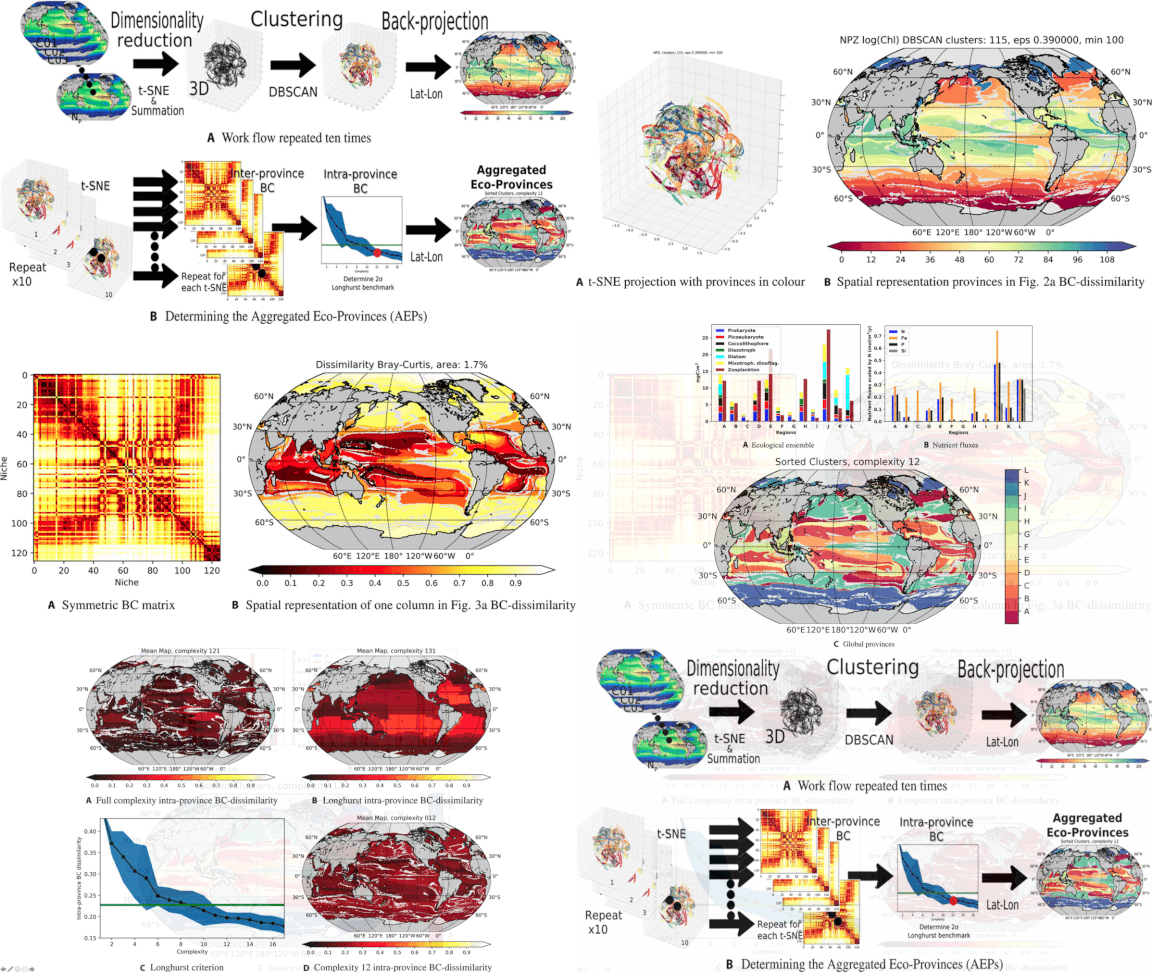
The ocean contains distinct ecosystems, but they’re much harder to see than terrestrial forests or savannas. A new model helps scientists better understand patterns of undersea life, which is threatened by pollution, invasive species, and warming temperatures.
Stay updated with weekly AI News and Insights delivered to your inbox