
Machine Learning Research
Moderating the ML Roller Coaster: A technique to avoid double descent in AI
Wait a minute — we added training data, and our model’s performance got worse?! New research offers a way to avoid so-called double descent.

Wait a minute — we added training data, and our model’s performance got worse?! New research offers a way to avoid so-called double descent.

Given real-world constraints on memory and processing time, images are often downsampled before they’re fed into a neural network. But the process removes fine details, and that degrades accuracy. A new technique squeezes images with less compromise.
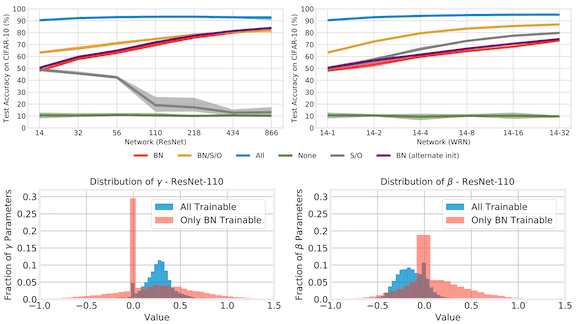
Batch normalization is a technique that normalizes layer outputs to accelerate neural network training. But new research shows that it has other effects that may be more important.
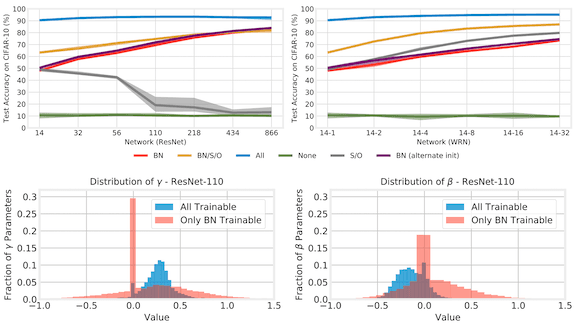
Batch normalization is a technique that normalizes layer outputs to accelerate neural network training. But new research shows that it has other effects that may be more important.
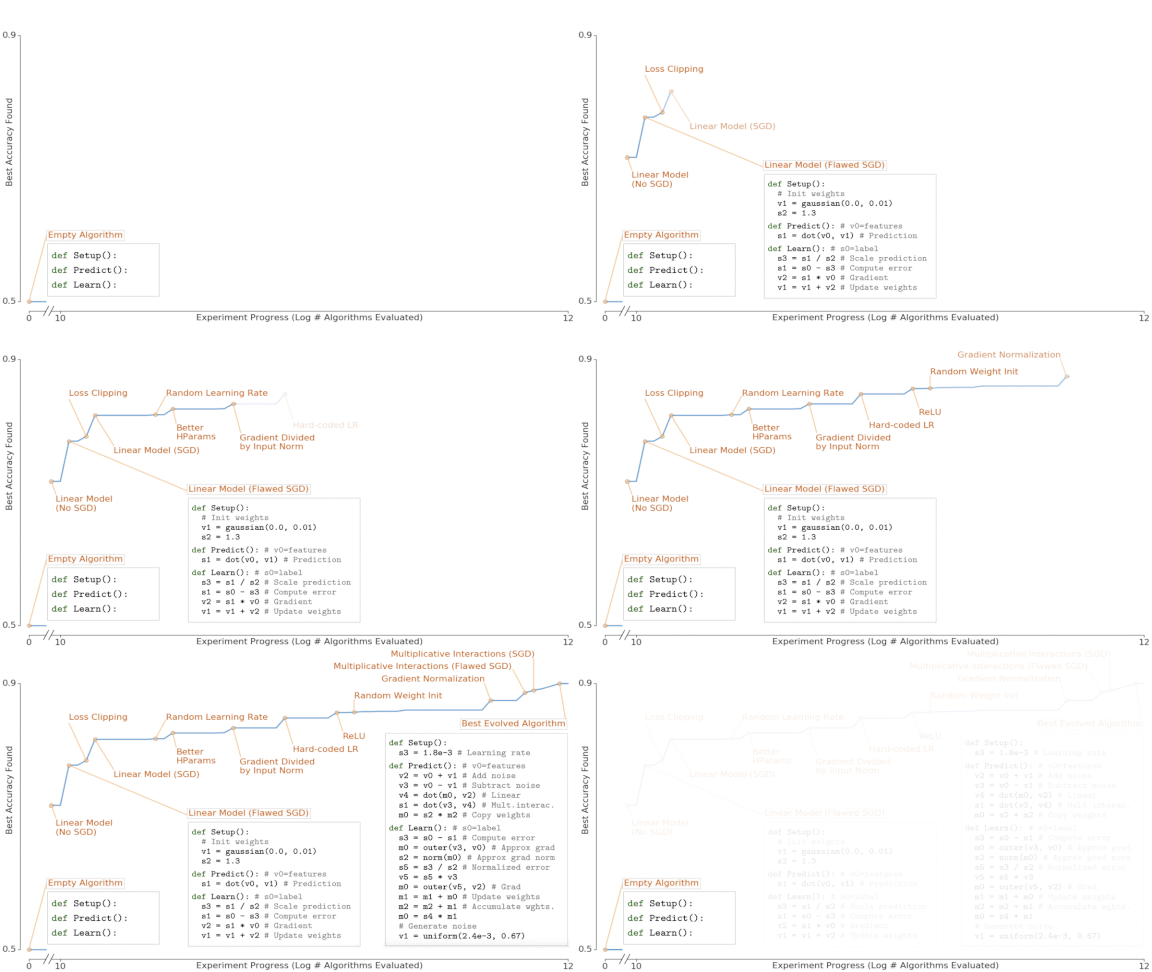
Faced with a classification task, an important step is to browse the catalog of machine learning architectures to find a good performer. Researchers are exploring ways to do it automatically.
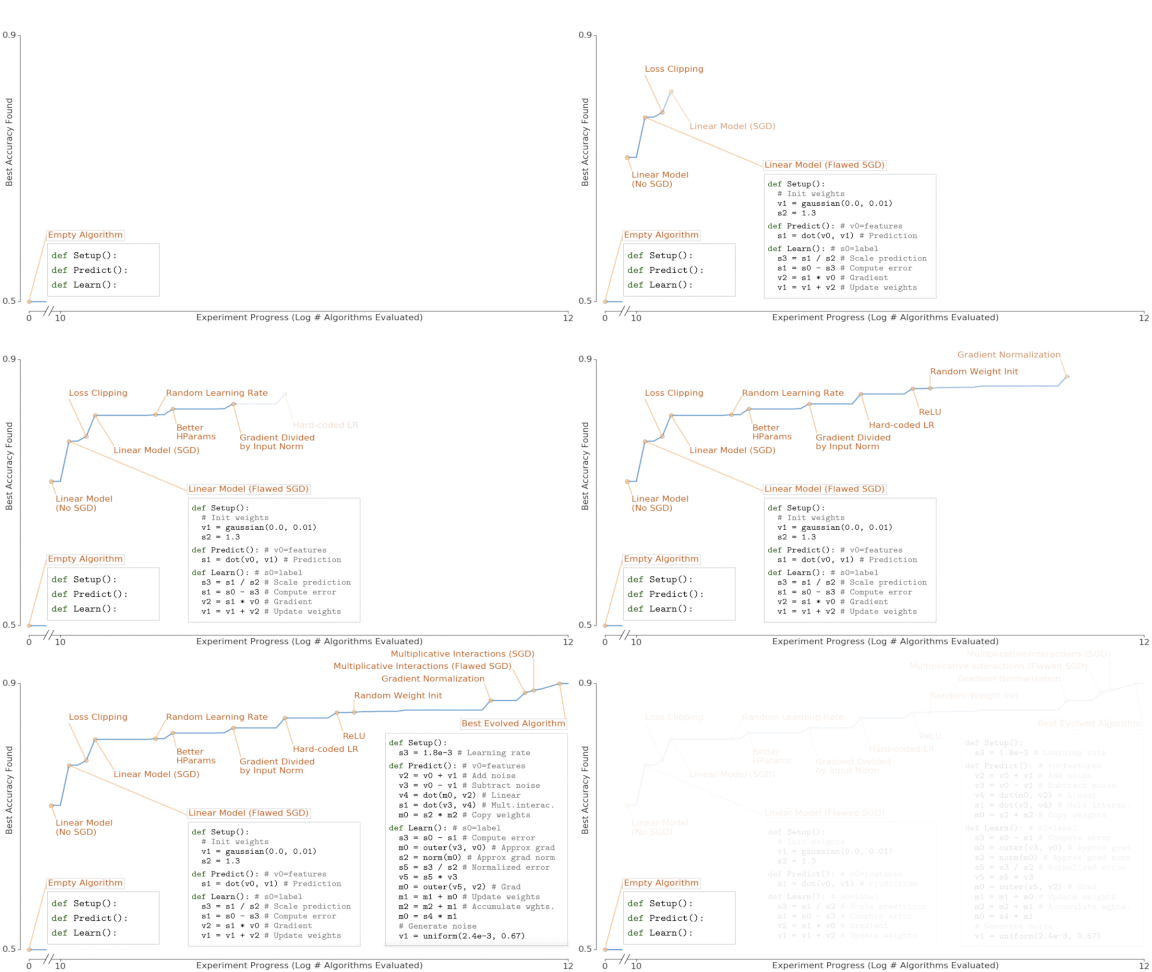
Faced with a classification task, an important step is to browse the catalog of machine learning architectures to find a good performer. Researchers are exploring ways to do it automatically.
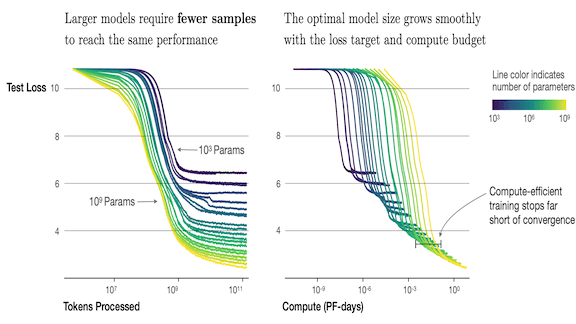
Last week we reported on a formula to determine model width and dataset size for optimal performance. A new paper contributes equations that optimize some training parameters.
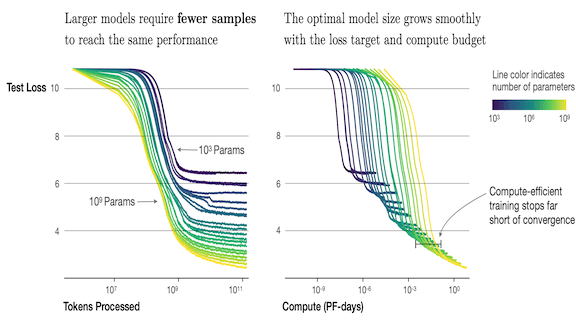
Last week we reported on a formula to determine model width and dataset size for optimal performance. A new paper contributes equations that optimize some training parameters.
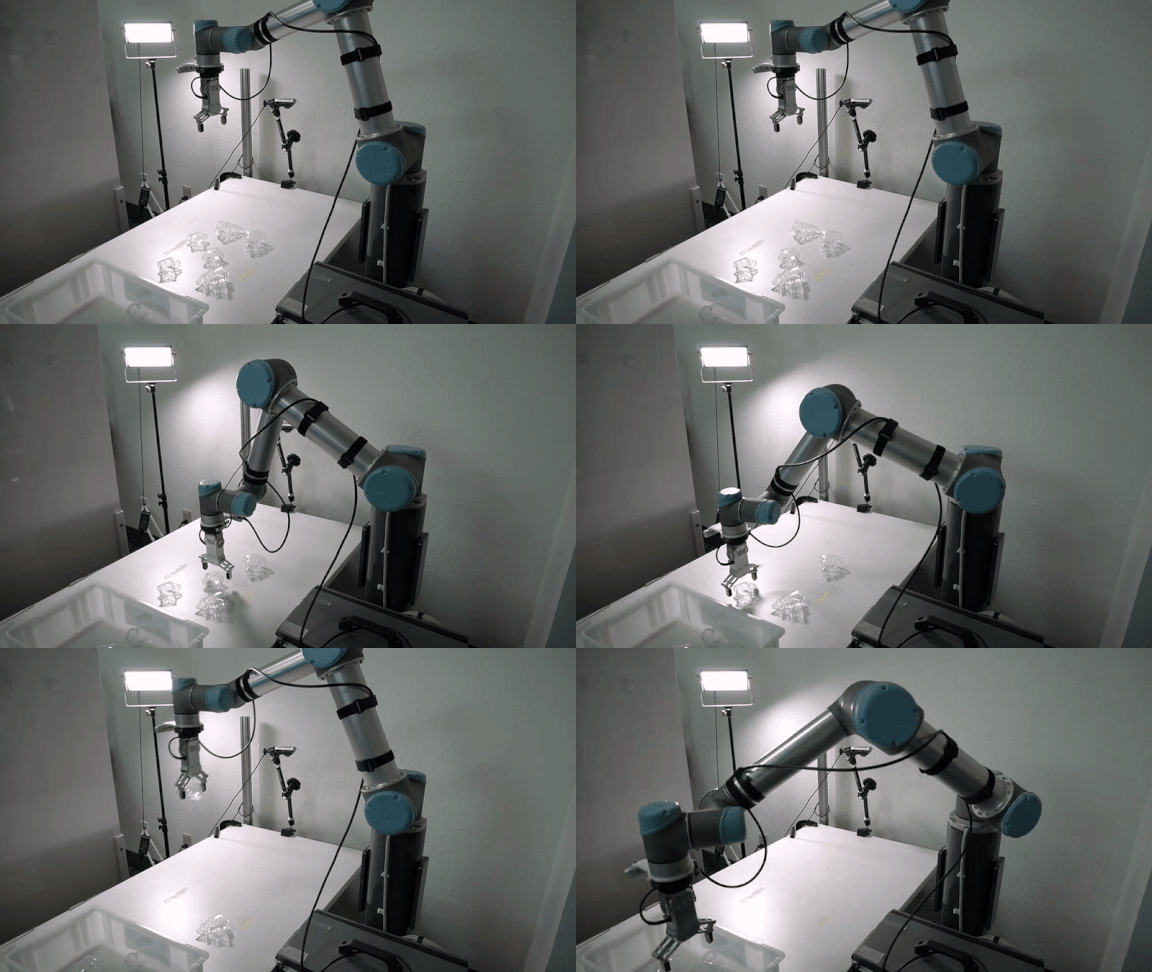
Glass bottles and crystal bowls bend light in strange ways. Image processing networks often struggle to separate the boundaries of transparent objects from the background that shows through them. A new method sees such items more accurately.
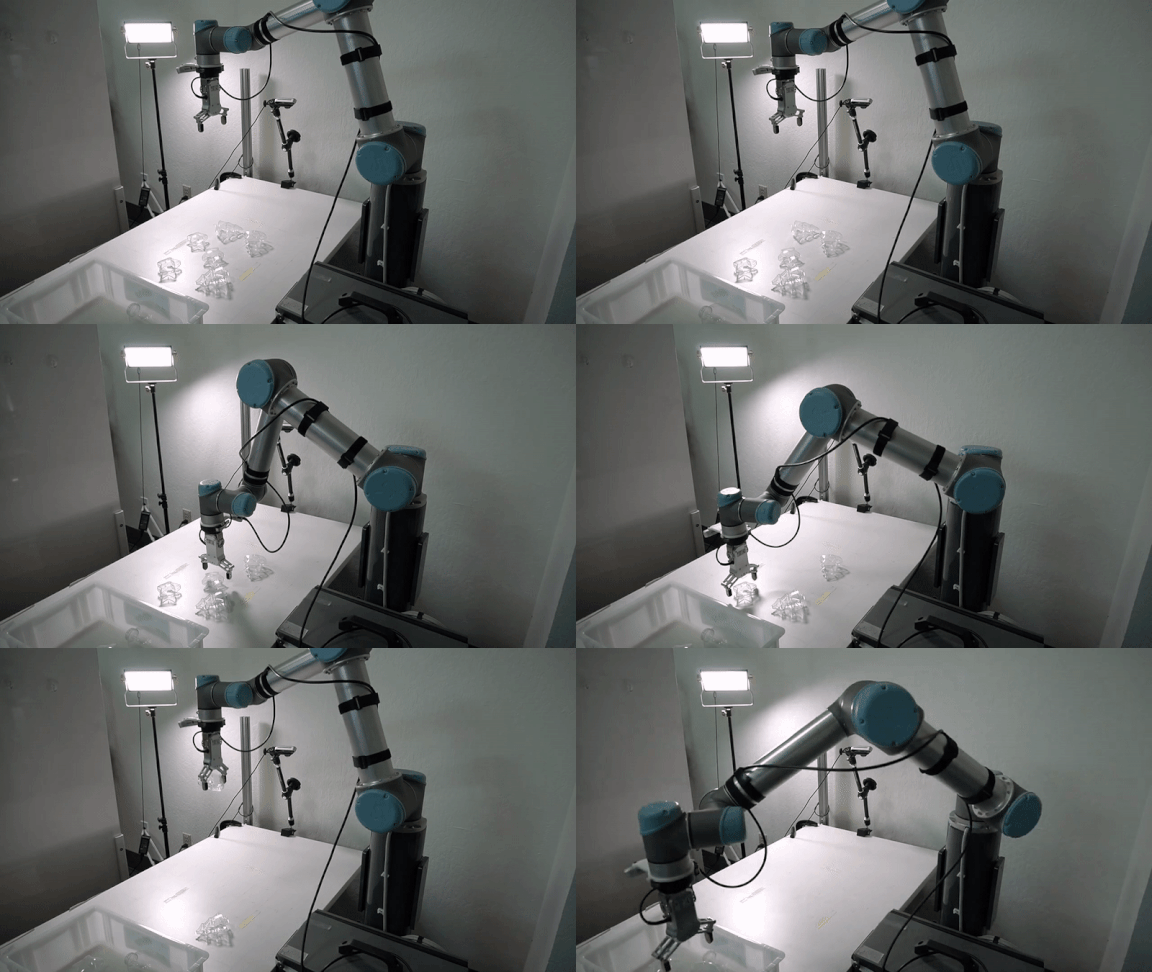
Glass bottles and crystal bowls bend light in strange ways. Image processing networks often struggle to separate the boundaries of transparent objects from the background that shows through them. A new method sees such items more accurately.
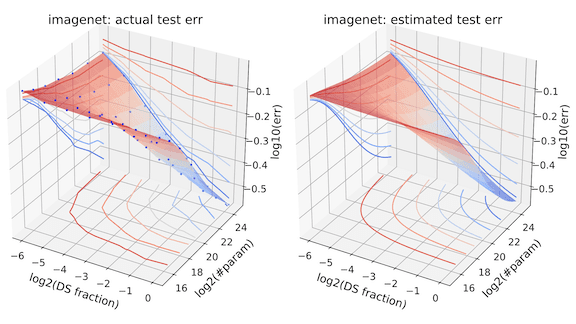
How much data do we want? More! How large should the model be? Bigger! How much more and how much bigger? New research estimates the impact of dataset and model sizes on neural network performance.
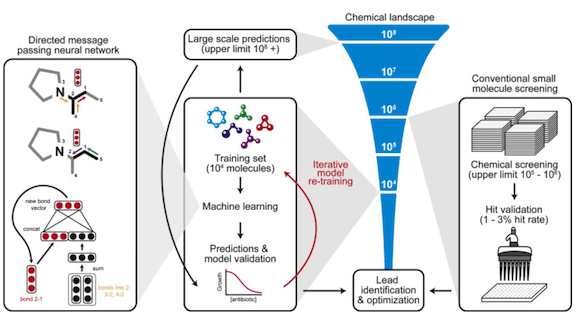
Chemists typically develop new antibiotics by testing close chemical relatives of tried-and-true compounds like penicillin. That approach becomes less effective, though, as dangerous bacteria evolve resistance to those very chemical structures. Instead, researchers enlisted neural networks.

How much data do we want? More! How large should the model be? Bigger! How much more and how much bigger? New research estimates the impact of dataset and model sizes on neural network performance.

Chemists typically develop new antibiotics by testing close chemical relatives of tried-and-true compounds like penicillin. That approach becomes less effective, though, as dangerous bacteria evolve resistance to those very chemical structures. Instead, researchers enlisted neural networks.
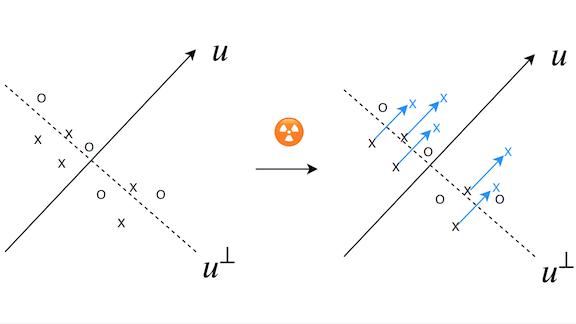
Which dataset was used to train a given model? A new method makes it possible to see traces of the training corpus in a model’s output.
Stay updated with weekly AI News and Insights delivered to your inbox