
Carnegie Mellon University
Walking the Dog: Training a robot to walk over unsteady terrain with RL.
A reinforcement learning system enabled a four-legged robot to amble over unfamiliar, rapidly changing terrain.

A reinforcement learning system enabled a four-legged robot to amble over unfamiliar, rapidly changing terrain.
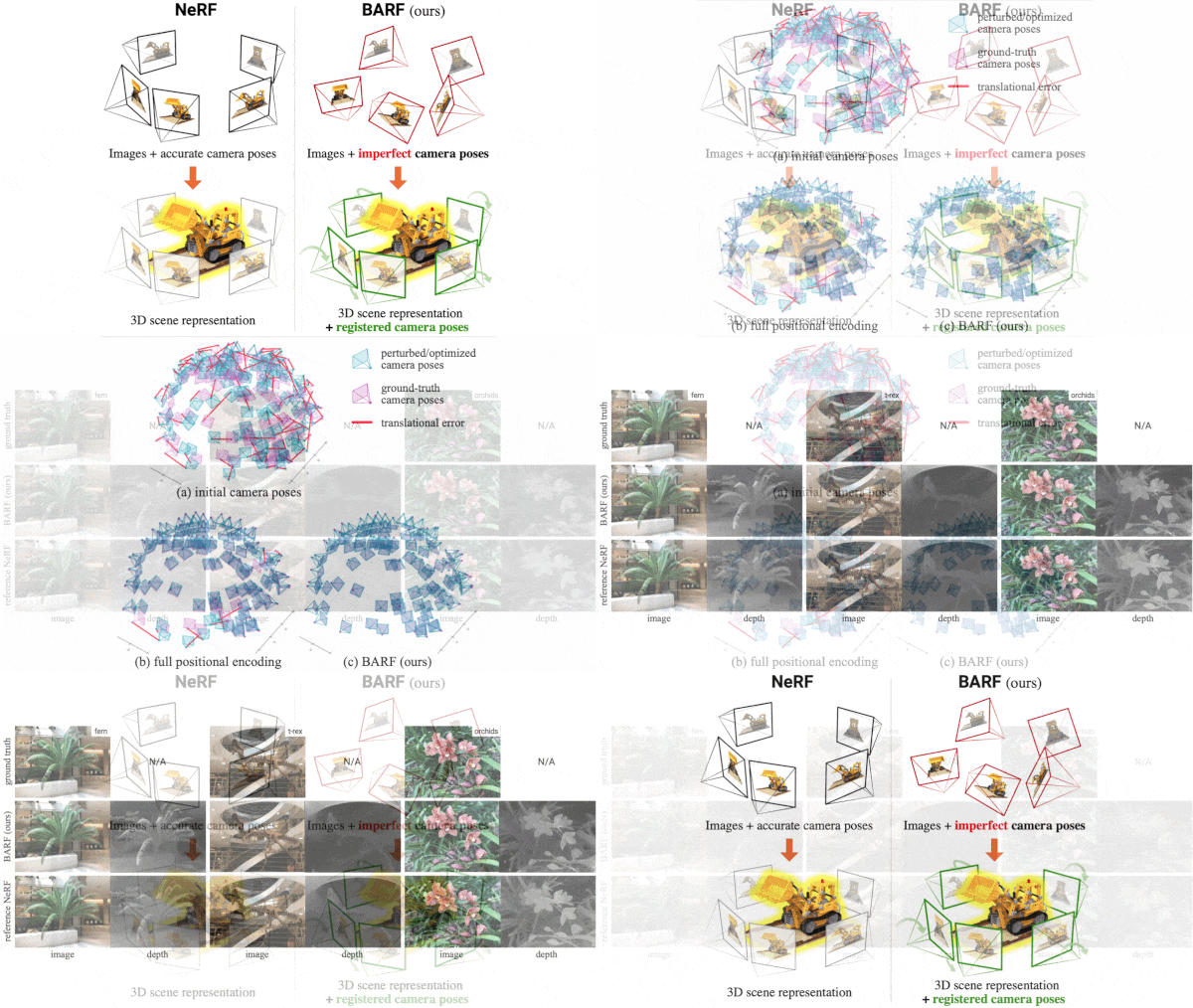
Researchers have used neural networks to generate novel views of a 3D scene based on existing pictures plus the positions and angles of the cameras that took them. In practice, though, you may not know the precise camera

Researchers have used neural networks to generate novel views of a 3D scene based on existing pictures plus the positions and angles of the cameras that took them. In practice, though, you may not know the precise camera
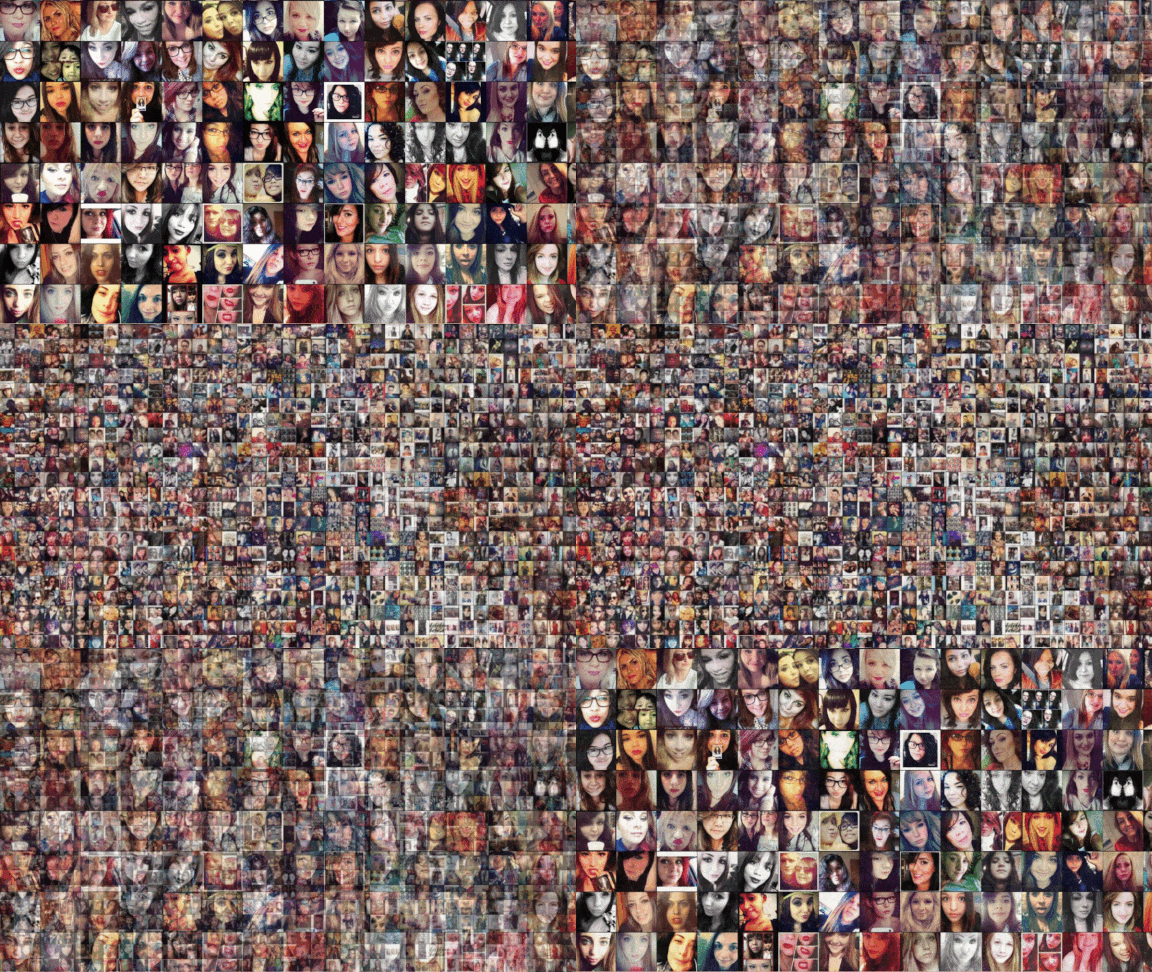
Social biases are well documented in decisions made by supervised models trained on ImageNet’s labels. But they also crept into the output of unsupervised models pretrained on the same dataset.

Social biases are well documented in decisions made by supervised models trained on ImageNet’s labels. But they also crept into the output of unsupervised models pretrained on the same dataset.

Neural networks are famously bad at interpreting input that falls outside the training set’s distribution, so it’s not surprising that some models are certain that cat pictures show symptoms of Covid-19. A new approach won’t mistakenly condemn your feline to a quarantine.
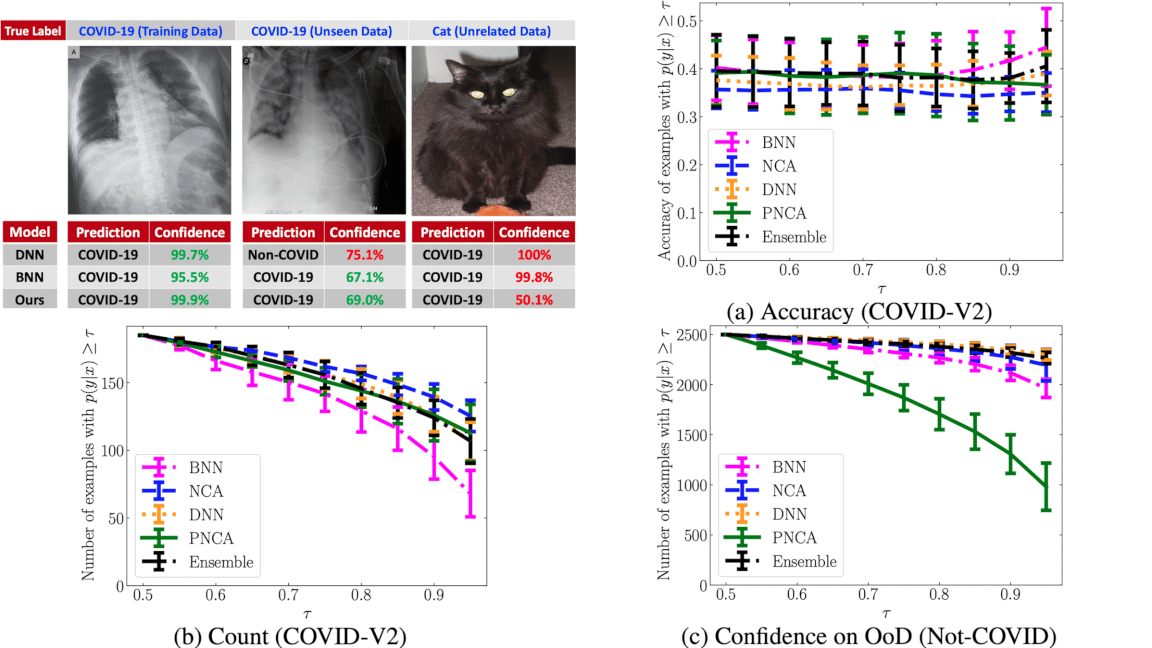
Neural networks are famously bad at interpreting input that falls outside the training set’s distribution, so it’s not surprising that some models are certain that cat pictures show symptoms of Covid-19. A new approach won’t mistakenly condemn your feline to a quarantine.
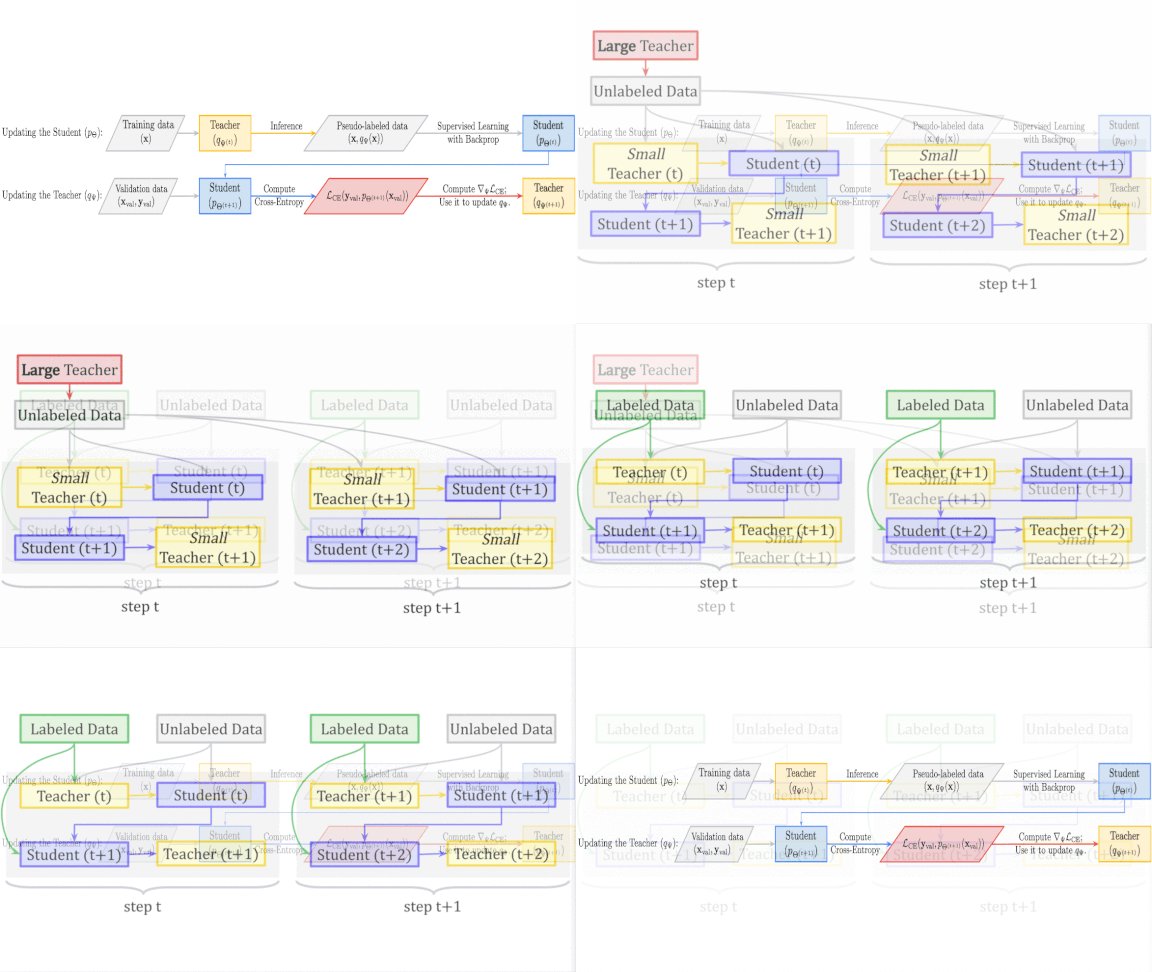
Human teachers can teach more effectively by adjusting their methods in response to student feedback. It turns out that teacher networks can do the same.

Human teachers can teach more effectively by adjusting their methods in response to student feedback. It turns out that teacher networks can do the same.
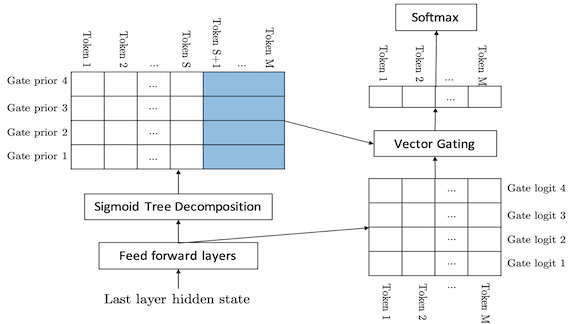
Softmax commonly computes probabilities in a classifier’s output layer. But softmax isn’t always accurate in complex tasks — say, in a natural-language task, when the length of word vectors is much smaller than the number of words in the vocabulary.
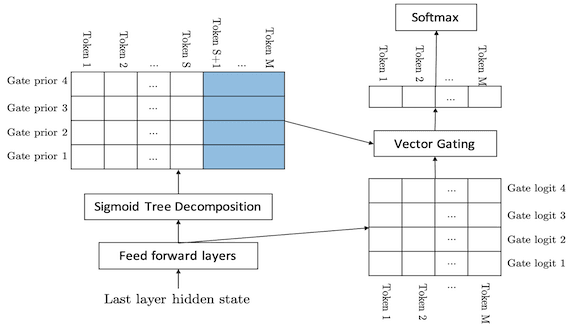
Softmax commonly computes probabilities in a classifier’s output layer. But softmax isn’t always accurate in complex tasks — say, in a natural-language task, when the length of word vectors is much smaller than the number of words in the vocabulary.

Earlier language models powered by Word2Vec and GloVe embeddings yielded confused chatbots, grammar tools with middle-school reading comprehension, and not-half-bad translations. The latest generation is so good, some people consider it dangerous.

Earlier language models powered by Word2Vec and GloVe embeddings yielded confused chatbots, grammar tools with middle-school reading comprehension, and not-half-bad translations. The latest generation is so good, some people consider it dangerous.

The previous state-of-the-art image classifier was trained on the ImageNet dataset plus 3.5 billion supplemental images from a different database. A new method achieved higher accuracy with one-tenth as many supplemental examples — and they were unlabeled, to boot.

The previous state-of-the-art image classifier was trained on the ImageNet dataset plus 3.5 billion supplemental images from a different database. A new method achieved higher accuracy with one-tenth as many supplemental examples — and they were unlabeled, to boot.
Stay updated with weekly AI News and Insights delivered to your inbox